 English
  Arabic
  Indonesian
  Vietnamese
  Malay
Malay  Thai
Thai  Korean
  Russian
  French
  Italian
  Japanese
  Portuguese
  Turkish
  Spanish
 Introduction
Wet wipes production has become a multi-billion-dollar industry, driven by booming demand in consumer hygiene, healthcare, and industrial cleaning. According to industry data, the global wet wipes market is valued at over $23 billion. Manufacturers produce specialized wipes for baby care, disinfecting, floor cleaning, medical use, and more – all of which rely on efficient large-scale manufacturing. For example, Yundu and Rockline Industries (one of the world’s largest wet-wipe makers) rapidly expanded dedicated wet-wipe lines and added robotics to meet soaring demand. In this article, we detail the industrial wet wipes manufacturing process, from raw materials to final packaging, highlighting the key machinery and terminology used in the trade.

Materials Used
Modern wet wipes typically consist of roughly 70–80% nonwoven fiber substrate with the remainder being a liquid lotion and additives. The backbone of every wet wipe is an engineered non-woven fabric chosen for strength, softness and absorbency. A common substrate is spunlace nonwoven, which is soft, strong, and moisture-absorbent. Spunlace webs may be made from a variety of fibers – for example, 100% viscose (rayon), bamboo or wood pulp for eco-friendly wipes, or synthetic fibers like polyester and polypropylene for durability. Other production methods include wet-laid (paper-like) nonwovens and spunbond/meltblown layers, especially in heavy-duty or flushable wipes.
The wetting solution (the liquid lotion) typically contains about 80% purified or RO water. To this water base manufacturers add humectants (e.g. propylene glycol to prevent drying), preservatives (phenoxyethanol, parabens) and nonionic surfactants for cleaning action. Functional additives (aloe vera, fragrances, alcohols or antiseptics) may be included depending on the wipe’s use (baby, cosmetic, disinfectant, etc.). The overall formulation must balance cleaning power and skin safety, while ensuring the wipes stay moist on the shelf.

Pre-Production Considerations
Before production begins, manufacturers make key decisions about materials and packaging:
Material Selection
Substrate choice depends on the target product. Baby wipes need an extremely soft, lint-free nonwoven, often a viscose/polyester blend or high-viscose spunlace. Industrial wipes (for janitorial or healthcare use) may use heavier, coarser webs with added strength. “Flushable” wipes use special biodegradable fibers (e.g. wood pulp and cotton) and low-binding hydroentangling so they will break down in plumbing.
Formulation Design
The wetting solution is tailored per product. Baby wipes are typically hypoallergenic and fragrance-free. Sanitizing wipes include alcohol or quaternary ammonium compounds as active ingredients. Each formula is tested for viscosity, pH, and preservative efficacy to ensure performance and shelf life.
Packaging Options
Manufacturers choose a packaging format that suits the market. Common options include soft packs (flow-wrapped pouch with a resealable flip-top or sticker closure), rigid canisters or tubs with plastic snap-on lids, or single-dose sachets. The packaging film is usually a composite (e.g. OPP/CPP, PET/PE) that provides a moisture barrier. Resealable tabs and lids (often applied with hot-melt glue) are critical to keep wipes from drying out.
Branding and Labeling
Packaging artwork, logos, and regulatory labels (ingredient lists, use instructions, warnings) are finalized at this stage. Many lines print custom graphics on the film and apply printed labels or shrink sleeves. Manufacturers must also ensure compliance with regional standards (e.g. FDA or ISO cosmetic/GMP rules for wipes) when designing labels.

Manufacturing Process
The step-by-step production of wet wipes converts raw materials into finished packs. Below is a typical process flow used by large-scale manufacturers:
Fiber Blending & Web Formation
If producing their own fabric, the line begins with bale opening and blending of fibers (wood pulp, viscose, polyester, etc.) to achieve the desired ratio. The blended fibers feed into carding machines, which form a loose web. Cross-lapper units then layer the web to reach the target basis weight and uniformity. Alternatively, pre-made jumbo rolls of nonwoven (spunlace or spunbond) may be purchased and loaded as “master rolls.”
Hydroentangling (Spunlace) or Bonding
In a spunlace line, high-pressure water jets (hydroentanglement) mechanically bond the web, imparting strength and softness. Wetlaid lines use a wet fiber slurry pressed and dried on rollers. The result is a long fabric roll meeting strength and weight specifications. Quality checks at this stage monitor basis weight variation (typically ±5%) and tensile strength.
Solution Preparation
The wetting formulation (lotion) is mixed in stainless steel tanks. Ingredients are blended under controlled conditions and filtered to remove any particulates. Automated systems often monitor viscosity and pH in real time. Strict hygiene controls (clean-in-place, sterilization) ensure the solution is microbiologically safe.
Impregnation (Coating)
The nonwoven roll is unwound and fed into an impregnation unit. Common methods include vacuum belt saturators or padding mangle rollers. In a vacuum saturator, the web passes through a bath of lotion under vacuum so the liquid thoroughly penetrates. Excess solution is squeezed off to attain the precise “add-on” level. Advanced lines target solution pickup within ±2% accuracy. Uniform saturation is critical for consistent feel and efficacy of the final wipe.
Cutting & Folding
After impregnation, the continuous moistened web proceeds to a converting machine. Here the fabric is transversely cut into continuous stacks of sheets. Folding modules then refold the cut wipes in desired patterns (for example, C-fold or Z-fold for soft packs, or individual strips for canisters). Automated folders can produce hundreds of cuts and dozens of stacks per minute. The folded stacks are collected on a conveyor or robot for transfer to packaging.
Packaging (Primary Packing)
The wet wipe stacks immediately enter the primary packing station. For flow-wrap packs, stacks pass into a vertical or horizontal form-fill-seal machine where each stack is enveloped in film, labeled, and heat sealed. In canister/tub packing, a set number of folded wipes (e.g. 50 or 100) drop into a rigid container, after which a plastic lid and resealable label are applied. Nitrogen gas flushing is often used inside the package (before sealing) to displace air and extend shelf life. Each pack is printed or coded with lot and expiry information.
Secondary Packaging
Filled packs then go to case or carton packers. In high-output plants, cases of wet wipes are automatically erected, packed, and sealed. As volumes grew, many manufacturers like Rockline adopted robotic case-packing and palletizing to reduce labor. Pallets of cases are then stretch-wrapped and prepared for shipment.

Machinery Involved
Wet wipes manufacturing relies on a range of specialized equipment:
Nonwoven Production Lines
For in-house substrate, machines include bale openers, blending feeders, carding machines and cross-lappers. Hydroentanglement lines (spunlace lines) have water-jet cabinets and drying cans. Wetlaid lines use headboxes, twin-wire presses and dryer cans (similar to papermaking). Meltblown/spunbond machines extrude polymer fibers through spinnerets onto a moving belt. All these units form the “master roll” of fabric.
Roll Slitting and Rewinding
Large master rolls are slit to the widths needed for the final product. Unwind stands and slitters (with razor blades or rotary knives) create narrower rolls or perforated rolls for canister wipes. A slitter-rewinder machine may unwind a jumbo roll, slit it, and rewind it into finished rolls, ready for the converting stage.
Coating/Impregnation Systems
Vacuum saturators and padding machines evenly apply the lotion. A typical wet-wipe converting line may include an integrated saturator and nip rollers. The impregnator is often servo-controlled to manage line speed and add-on level. Inline sensors can check weight gain of the web to ensure uniformity.
Cutting and Folding Machines
Wet wipes converting machines (also called folding or re-dosing machines) receive the wet web and perform slitting, cutting, and folding. Advanced machines like Kansan’s Quickstack offer up to 800 cuts per minute and 160 stacks per minute. They support multiple fold patterns and can process flushable substrates without tearing. Cutters may use scissors, rotary blades or ultrasonic knives, depending on substrate.
Packaging Equipment
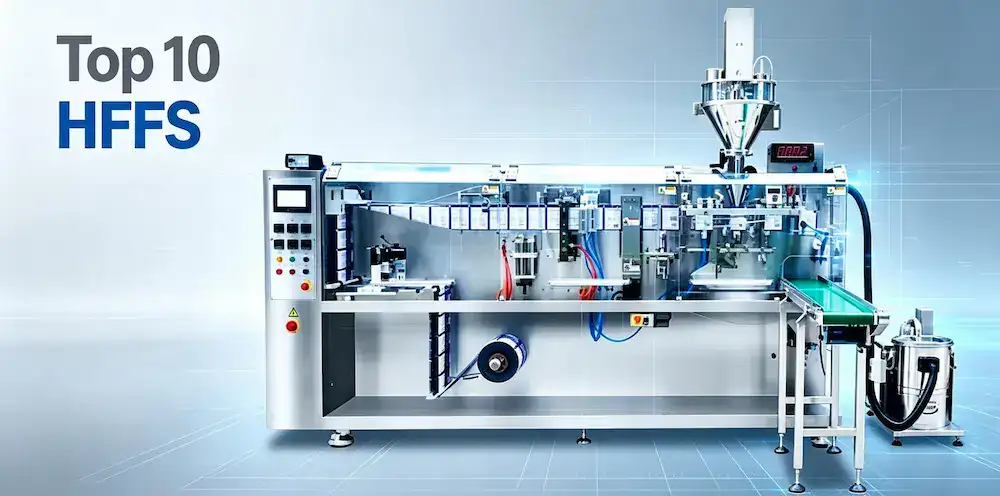
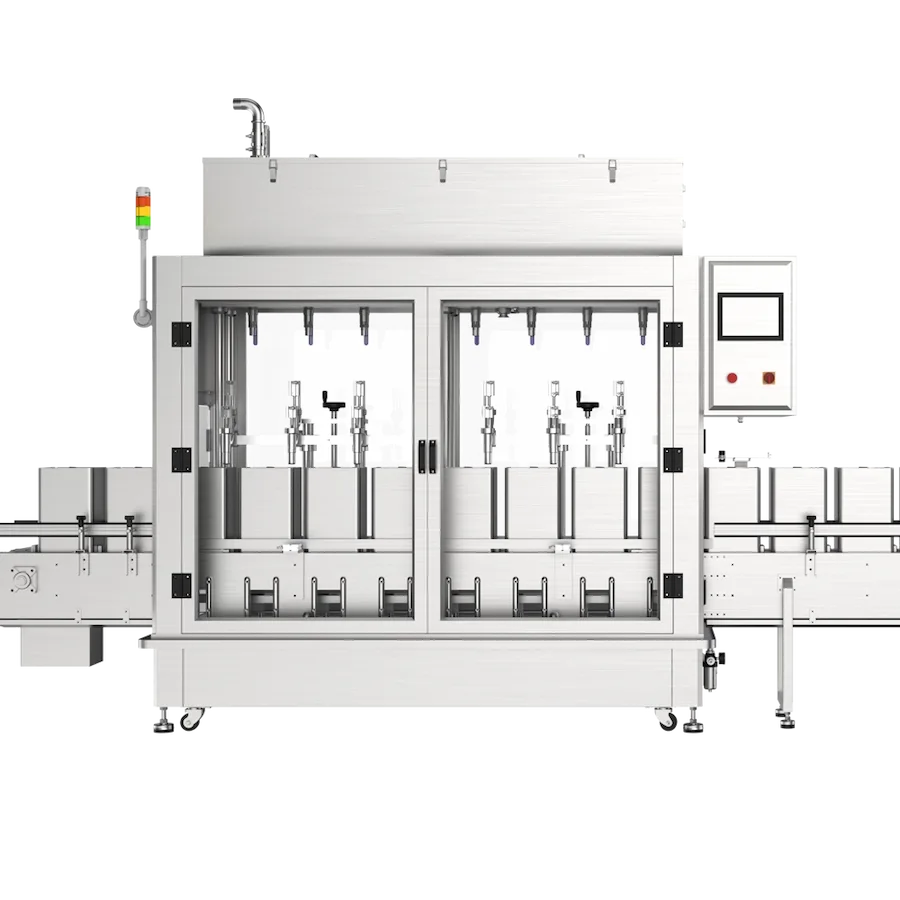
This includes flow-wrap machines, sealers, tub fillers and lid applicators. For example, DROID’s UT-WP packaging machine can integrate with the converting line to flow-wrap 5–120 sheet packs at 80 packs/min. Lid applicator robots (e.g. spider pick-and-place) automatically glue plastic flip-caps onto pouches at speeds matching the main line.
End-of-Line Systems
Case packers (gathering and boxing the retail cartons), case sealers, palletizers and conveyors handle bulk material. Many facilities now use robotic arms for packing cases and stacking pallets, improving speed and ergonomics. Quality-check stations (vision systems, metal detectors, weight checks) are often integrated as optional modules to ensure compliance.