The Ultimate Guide to How Wet Wipes Are Made

Table of Contents

The Ultimate Guide to How Wet Wipes Are MadeWet wipes are pre-moistened nonwoven cloths widely used in personal care, household cleaning, healthcare, hospitality, and many industrial settings. The global wet wipes market topped $27 billion in 2022 and is growing (projected to reach ~$36.6 billion by 2030). High demand in sectors like childcare, healthcare, and sanitation (especially after COVID-19) has driven manufacturers to refine large-scale production processes. Products range from baby wipes and facial wipes to heavy-duty disinfecting wipes. For example, disinfectant wipes for contamination control now account for a significant portion of the market, reflecting attributes like convenience and hygiene. Businesses such as schools, gyms, restaurants, and offices often adopt wet-wiping (using pre-moistened wipes) for quick sanitation, and bulk buyers rely on specialized suppliers. Wipes.com, for instance, is a U.S. wholesaler serving gyms, schools, and other facilities with sanitizing wipes – even offering a direct purchase-order email to streamline B2B orders.

Key Applications: Wet wipes are used for personal hygiene (baby care, incontinence care, makeup removal), surface cleaning/disinfection (kitchen counters, medical equipment, gym benches), and specialty uses (pet care, eyewear cleaning, etc.). Many restaurants and the hospitality sector use disposable “wet napkins” or wipes to sanitize tables and restrooms. Hospitals and clinics rely on medical-grade wipes for patient care and instrument cleaning. Even in travel or automotive contexts, disposable cleaning wipes (“wipes tissue”) are common for hand or surface cleaning. This broad range of applications underlies the industry’s diversity of products.

What Are Wet Wipes Made Of?

Wet wipes consist of a fabric sheet (the “tissue”) and a liquid lotion. The sheet is typically a nonwoven fabric (a cloth-like web of bonded fibers), though some wipes use natural fibers:

Nonwoven Fabrics

By far the most common substrate. These are made by mechanically or chemically bonding fibers without weaving. Typical fibers include polyester, viscose/rayon (wood-based cellulose), and cotton. For example, many baby wipes use a spunlace nonwoven made of polyester–viscose blends for both strength and softness. Common nonwoven types are:

Spunlace

Soft, durable and highly absorbent. It’s made by entangling fibers with high-pressure water jets. Spunlace wipes are gentle on skin and widely used in personal-care wipes.

Airlaid

Lightweight, very absorbent, often used in cleaning wipes and disposable towels. Airlaid webs are made by forming fibers in air and bonding them, which yields a soft yet strong sheet.

Meltblown

Composed of very fine synthetic fibers (often polypropylene). Meltblown fabric is used in wipes requiring filtration or extra strength – for example, disinfectant wipes often use meltblown layers for scrubbing and germ capture.

Natural Fibers

To meet demand for eco-friendly products, some wipes use plant-based materials:

Cotton

A natural, biodegradable fiber that is soft and breathable. Cotton wipes are gentle on sensitive skin but more expensive and less wet-strength than synthetic nonwovens. Some premium or eco brands offer 100% cotton wipes (e.g. for facial or baby use) to emphasize biodegradability.

Bamboo

Sustainable and naturally antimicrobial. Bamboo fibers are soft and have inherent antibacterial properties, so wipes with bamboo content can reduce or eliminate the need for chemical antibacterials. Drawback: bamboo wipes cost more and availability is lower than standard nonwovens.

Wood Pulp

Used especially in flushable or highly absorbent wipes. Pure cellulose pulp can be made into nonwoven sheets that are very soft and biodegradable. Many “flushable” toilet wipes are 100% wood-pulp to ensure they break down in water.

Recycled Fibers

Some wipes incorporate recycled polyester (e.g. from plastic bottles) or cotton blends. This reduces waste and can improve strength, though recyclate-based wipes are still plastic-based (non-biodegradable).

Wet Lotion (Wetting Solution)

The fabric is saturated with a liquid solution. This “lotion” is usually mostly water (often purified/deionized) mixed with functional additives. Typical ingredients include:

Preservatives

Prevent mold or bacteria growth in the moist pack (e.g. benzalkonium chloride, phenoxyethanol).

Surfactants/Cleansers

Mild detergents or skin cleansers to help lift dirt or oil. Baby wipes use gentle surfactants; heavy-duty wipes may use stronger cleaning agents.

Moisturizers/Fragrances

Skin-conditioning agents (aloe, glycerin, vitamin E) for personal wipes, or fragrances/essential oils for comfort and odor control.

Alcohol/Antiseptics

In antibacterial or sanitizing wipes, the lotion may contain antiseptics like isopropyl alcohol or quaternary ammonium compounds (quats). For example, Wet Ones® hand wipes use 0.13% benzalkonium chloride to kill germs, while surface disinfecting wipes (Clorox®, Lysol®) use quats as the active germicide.

Each formula is tailored to the product’s purpose. Baby or skin-care wipes use mild, hypoallergenic ingredients; antibacterial/disinfecting wipes include germ-killing actives; flushable toilet wipes use no oils or binders that would prevent dispersal. All lotions are mixed under strict quality control to ensure correct pH and active levels.

Wet Wipes Manufacturing Process

Wet wipe manufacturing is a highly automated, multi-step process. Here is a typical industrial production flow:

  1. Formulation of Wetting Solution: In the mixing room, purified water is blended with all ingredients to create the wipe’s lotion. Industrial mixers ensure a uniform solution, which is tested for correct pH, preservative and surfactant concentration. Only after lab checks (viscosity, microbial safety, active ingredient dosage) is the lotion held in a tank and pumped to the production line.

  2. Nonwoven Fabric Preparation: Giant “mother rolls” of dry nonwoven sheet are loaded onto the line. These rolls (often over 1 m wide and hundreds of kg each) may be produced in-house or supplied by a fabric vendor. The roll is unwound and slit into the required width for the final wipe. Many lines run multiple lanes in parallel: for example, a 20-lane machine cuts one master roll into 20 narrower strips, enabling high throughput. Each strip is then cut or perforated to the desired wipe length, if individual sheets are needed.

  3. Folding and Stacking: The cut strips feed into folding machines that form them into the final wipe shape. Common fold patterns are C-fold, Z-fold or quarter-fold, yielding square or rectangular wipes. In “interfolded” soft packs, each wipe is partially inserted into the next, so wipes pop up one at a time. Alternatively, for canister products, the fabric may be folded into a continuous log (cross-roll) with perforations. Folding devices precisely fold each strip and cut off stacks of the right count. At the end of this step, dry stacks or rolls of folded wipes are ready – these are essentially the final shape, but still dry.

  4. Impregnation (Wetting the Wipes): The dry wipes are then saturated with the lotion. Production lines typically use dosing rollers or spray heads to apply the liquid evenly. For stacked wipes, rollers press the lotion into the pile; for continuous-roll products, nozzles spray the web. The key is uniform moisture without soaking through. Automated sensors and weight monitors regulate the amount added: each wipe’s final weight is checked to ensure the target moisture level (too little liquid makes the wipe ineffective, too much causes dripping).

  5. Packaging and Sealing: Immediately after wetting, wipes are conveyed to packaging machines to trap the moisture. Packaging formats include:

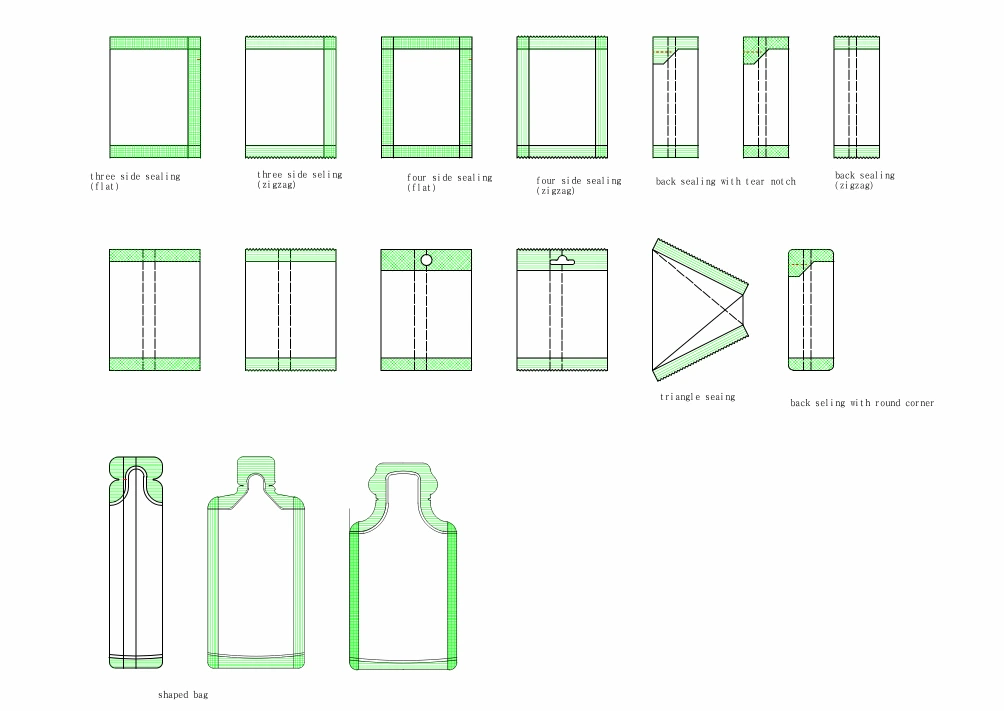
    • Resealable Flow Packs (Soft Packs): A stack of wet wipes is wrapped in a printed plastic film pouch. A heat-sealer forms and seals the pouch. A resealable closure (plastic flip-top lid or adhesive label) is added automatically to allow repeated opening. Packaging film is chosen for its moisture barrier; many packs use laminated films with foil or metallized layers.

    • Plastic Canisters/Tubs: Wet wipes are either interfolded or coiled into a continuous roll and inserted into a rigid plastic tub. A flip-top or pop-up lid is attached, and often a foil seal is included under the lid for freshness. Automated canister fillers feed a wet wipe log into the tub and cap it – these lines can insert foil liners and apply lids at high speed.

    • Individual Sachets: Single-use wipes (e.g. hotel or first-aid wipes) are cut and immediately wrapped in small foil or plastic pouches. High-speed form-fill-seal machines pick up each wet sheet, enclose it in film, and seal it to create an airtight packet.

Packaging must be synchronized to prevent drying: as soon as a stack or roll is wet, it is quickly sealed. Labels with lot numbers and expiration dates (typically 1–2 year shelf life) are printed on each pack.

  1. Quality Control: QC runs throughout every step. Raw materials (water purity, fabric strength) are verified before production. The wetting solution is tested for correct chemistry and microbial safety. In-line sensors check that each stack has the right weight (indicating proper lotion dosing). Vision systems or manual inspections ensure folds and counts are correct. Finally, finished packs are sampled in the lab: each wipe’s moisture content, lotion pH, and absence of microbial contamination are confirmed. Products with disinfectant claims undergo efficacy testing to verify germ-kill rates (often by checking active ingredient concentration). Batches that fail any test are rejected or reworked.

In summary, a modern wet wipe line “cuts, folds, soaks and transports” the material in one continuous flow. Industrial lines may run 10–20 lanes in parallel, producing thousands of wipes per minute. Advanced machines even automate lid application and case packing. The high degree of automation ensures consistency and hygiene: servo-driven cutters and pumps deliver identical dimensions and lotion dose every time. Many systems include features like automatic roll splicing (to join new fabric rolls without stopping) and vision-guided labeling to further reduce downtime.

Variations for Different Wipe Markets

While the core process is similar, manufacturers adjust materials and settings for different product categories. Key variations include:

Flushable (Toilet) Wipes

These adult toilet wipes are engineered to break down in water. They use 100% biodegradable fibers (no plastics) – typically special cellulose nonwovens made via a wet-laid or air-laid process. The fabric must balance wet strength for use with the ability to disintegrate when flushed. Lines handling flushable material run at modified speeds/tensions, since the biodegradable web is more delicate when wet. Lotions for flushables avoid oily or binding additives, using only mild soaps and preservatives. Packaging is similar to baby wipes but labeled “flushable.” Products must meet standards (e.g. INDA/EDANA flushability tests and, in some regions, legal labeling requirements) to claim they are sewer-safe.

Antibacterial/Disinfecting Wipes

These wipes contain germ-killing actives and follow stricter regulations. Hand sanitizing wipes (e.g. Wet Ones®) have a formula with an antiseptic (like benzalkonium chloride or alcohol). Production must be highly precise: for example, Wet Ones are an FDA OTC product and must contain exactly 0.13% active quaternary ammonium. If alcohol is used, equipment and ventilation must be designed for flammability. Packaging is often in small packs or sachets to preserve the volatile actives (foiled packets prevent evaporation).

Surface disinfectant wipes (Clorox®, Lysol® types) use potent antimicrobials (quaternary ammonium salts, bleach, etc.). Manufacturing these requires EPA approval (actives are classified as pesticides). The lotion mixing must be exact (to meet kill claims without residue), and continuous agitation keeps solids from settling. Disinfectant wipes typically use a stronger, sometimes textured nonwoven (to allow scrubbing). They are often packaged in plastic canisters to retain moisture and prevent chemical loss. QC for these wipes includes verifying active concentration and saturation level per pack. In the U.S., any wipe claiming “kills 99.9% of germs” must be produced under EPA guidelines with full documentation.

General-Purpose and Other Wipes

Standard baby/face wipes and household cleaning wipes use the base process with mild formulations. Restaurant/foodservice wipes function like general disinfectant wipes: they often contain quaternary ammonium or mild sanitizers safe for surface contact. These wipes must be FDA/USDA compliant for food-contact surfaces, so formulas avoid harmful solvents. Many are packaged in bulk canisters for convenience in cleaning tables and kitchen areas. Although not a separate regulatory category, foodservice wipes follow general disinfectant rules (just as Clorox wipes do in food prep areas).

Other market variations include adult personal-care wipes (larger size, extra moisturizing) and industrial wipes (very durable for greasy cleaning). All these products share the same manufacturing steps, but machines are adjusted: larger fold plates for big wipes, extra-liquid dosing for heavy-duty lotions, etc. For instance, adult incontinence wipes may be folded differently and soaked with a richer lotion (aloe and chamomile). Some specialized lines even include sterilization steps (gamma irradiation) for hospital-use wipes. In sum, while the wet wipe making machine (converting line) is fundamentally the same, parameters (fabric type, lotion formula, folding style) are fine-tuned for each product niche.

Machinery and Automation

Wet wipe factories use highly automated equipment to maximize throughput and ensure uniform quality. A typical wet wipes production line consists of: an unwinder and slitting station, a folding unit, a lotion dosing/impregnation module, and a packaging system (flow wrapper or canister filler). For example, the YD-800 portable wet wipes line integrates cutting, folding, moistening, stacking, and bag sealing in one continuous flow. Key machinery includes:

  • Folding/Stacking Machines: Precisely fold the fabric strips into wipes and stack them. Some units interfold stacks for pop-up dispensing.

  • Impregnation Units: Metering rollers or spray manifolds that saturate wipes with lotion. These are often computer-controlled to deposit exactly the right volume per wipe.

  • Packaging Equipment: Flow-wrappers form the soft packs and seal them, with automated applicators for lids/labels. Canister fillers coil wipes into tubs and apply lids. Sachet machines wrap individual wipes.

  • Conveyors and Robot Pickers: Transport wipes between stations. High-speed lines may use robots to place lids or transfer stacks.

Automation yields high throughput and precision: modern lines can operate 24/7 producing thousands of wipes per minute. Multiple lanes run in parallel (e.g. 10–20 lanes) to scale up output. Servo motors and synchronized controls ensure every cut and fold is identical. The dosing system uses precise pumps to give each wipe the same lotion amount. By reducing manual handling, these machines also improve hygiene (protecting the product from contamination). Advanced packaging machines use vision-guidance to place labels/lids accurately.

Wet Wipes Making Machine YD-800B

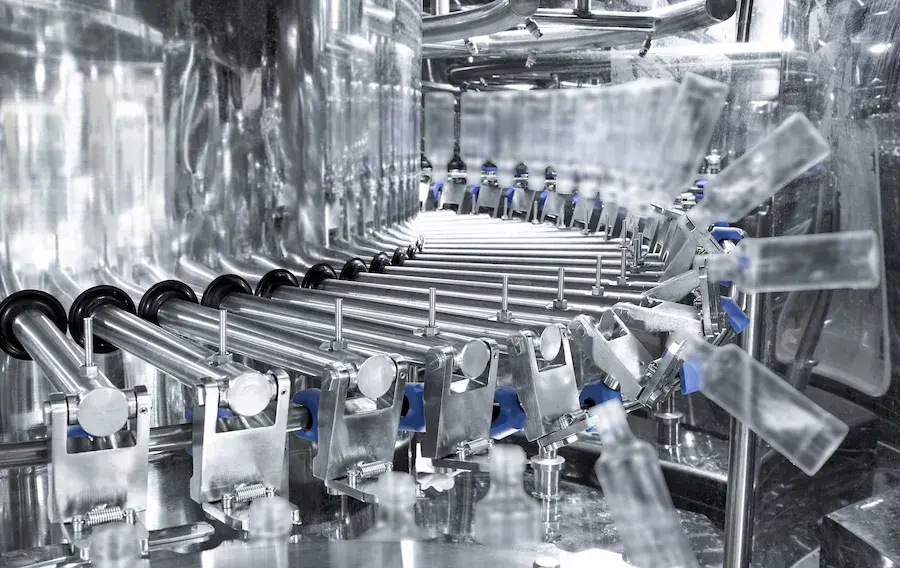
Overall, a modern wet wipes making machine is a turnkey assembly line – it unwinds the fabric roll, slits and folds it, saturates the material with solution, and feeds it into packaging without human intervention. This integrated approach minimizes waste and allows easy compliance: the stainless-steel, food-grade construction meets sanitary design standards, and digital monitoring logs every batch parameter (critical for FDA/EPA audits). If a deviation occurs (e.g. a pump malfunction), the system can halt automatically, preventing an entire batch of bad product. In sum, investment in automated wet-wipe machinery is essential for large-scale consistency and efficiency.

Compliance and Quality Control

Given that many wet wipes are for skin or surfaces, strict quality controls and regulations apply. Manufacturers typically follow Good Manufacturing Practices (GMP) and ISO-style quality systems. Key QC elements include:

  • Raw Material Testing: Fabrics are tested for strength and cleanliness; lotion ingredients are checked for purity. Water used in formulations is usually purified to pharmaceutical-grade.

  • In-Process Controls: Weight checks on impregnated stacks ensure each wipe has the correct moisture. Optical sensors/counts verify the correct number of wipes per pack. pH and active ingredient checks may be done on-line in the mixing room.

  • Microbial Testing: Both the wetting solution and finished wipes are routinely cultured to ensure preservative effectiveness. For skin-contact products, microorganisms (e.g. E. coli, Staph aureus) must be below strict limits. For disinfectant wipes, no viable pathogens can be present prior to use.

  • Finished Product Testing: Sample packs are pulled off the line for lab tests: measuring moisture content, verifying lotion pH matches specifications, checking that wipes break appropriately (flushable testing), and confirming packaging seals are leak-proof. For example, many producers measure the first and last wipe in a canister to ensure uniform saturation. Wet tensile strength is measured to ensure the wipe won’t tear too easily during use.

On the regulatory side, the classification of the wipe determines compliance requirements. Standard personal or household wipes are often regulated as cosmetics or consumer goods, so compliance means basic safety testing. Antibacterial or disinfectant wipes fall under drug or pesticide regulations in many countries. In the U.S., antibacterial hand wipes are considered over-the-counter (OTC) drugs – production must follow FDA’s drug GMP rules. Surface disinfecting wipes count as pesticides under EPA rules – facilities need EPA registration and each batch must meet the claimed kill rate. These wipes require exhaustive documentation: records of exact active concentrations, stability studies, and efficacy validations. Because of this, suppliers of antibacterial wet wipes invest heavily in traceability systems. In practice, automation helps meet compliance (by precisely dosing actives and logging data).

In summary, quality control for wet wipes is layered: continuous in-line monitoring plus off-line lab tests ensure safety and performance. Any deviation (microbial contamination, incorrect lotion mix, weak packaging seal) is caught before the product ships. This rigor protects consumers and maintains brand trust, which is vital given that wet wipes often contact skin or food-handling surfaces.

How Are Wet Wipes Made FAQ

Do you have any questions about our wet wipes packaging machine? Please find the answer below and Yundu will answer your question.

Wet wipes are made in automated production lines where nonwoven fabric is unwound, cut, folded, and saturated with a specially formulated lotion. The moist sheets are then packaged into flow packs, canisters, or sachets. Each step—cutting, folding, wetting, and sealing—is precisely controlled to ensure hygiene, moisture consistency, and quality.

Wet wipes are typically made from nonwoven fabrics such as polyester, viscose (rayon), or a blend of both. Some eco-friendly wipes use natural fibers like cotton, bamboo, or wood pulp. The wipes are then soaked in a lotion consisting mostly of purified water, with added preservatives, surfactants, moisturizers, and sometimes antibacterial agents.

The liquid, often called the “wetting solution,” is mostly purified or deionized water combined with additives such as surfactants (cleansers), preservatives, moisturizers (like aloe or glycerin), fragrances, and, in some cases, antibacterial agents like benzalkonium chloride or alcohol.

Not all wet wipes are biodegradable. Standard wipes often contain synthetic fibers like polyester, which do not break down. However, biodegradable and flushable wipes made from plant-based materials like bamboo, cotton, or wood pulp are increasingly available and more environmentally friendly.

Baby wipes are designed for gentle skin use and contain mild, hypoallergenic ingredients with no harsh chemicals. Disinfectant wipes, on the other hand, contain stronger agents such as quaternary ammonium compounds or alcohol, which are used to kill germs on surfaces—not recommended for skin use.

Most wet wipes should not be flushed, as they can clog pipes and sewage systems. Only wipes labeled “flushable” (made with dispersible, biodegradable materials) are designed to break down in water. Always check packaging and local regulations before flushing.

Antibacterial wet wipes kill germs using chemical agents such as benzalkonium chloride, alcohol, or quaternary ammonium compounds. These actives disrupt microbial membranes, killing bacteria and some viruses on skin or surfaces. Disinfectant efficacy depends on the concentration and contact time.

Wet wipes are made using automated machines that handle unwinding, slitting, folding, wetting, and packaging. Common machinery includes slitting/folding units, lotion dosing systems, flow wrappers, canister fillers, and labeling robots. These high-speed lines often produce thousands of wipes per minute.

Nonwoven fabrics are webs of fibers bonded together without weaving. In wet wipes, the most common types are spunlace (soft and absorbent), airlaid (fluffy and lightweight), and meltblown (fine and strong). These fabrics are chosen for their softness, strength, and absorbency.

Quality control includes testing raw materials (fabric, water), checking lotion formulations (pH, preservatives, active content), and monitoring production parameters like weight and moisture. Final products undergo microbial testing and performance checks to ensure safety, efficacy, and compliance with regulatory standards.

Share The Post Now:
Picture of Hey there, I’m Daisy

Hey there, I’m Daisy

I’m the Sales manager of Yundu. We have been helping manufacturing industries increase their productivity and capacity with our advanced filling machines for over 20 years.
Have questions? Reach out to us, and we will provide you with a perfect solution.

Related Articles