 English
 Arabic
 Indonesian
 Vietnamese
 Malay
 Thai
 Korean
 Russian
 French
 Italian
 Japanese
 Portuguese
 Turkish
 Spanish
Yundu Vacuum Packaging Machines
Vacuum packaging technology is widely used to extend product shelf life. By removing air from a package and then sealing it, vacuum packaging prevents oxidation and inhibits bacteria growth.
In practice, a product is placed in a flexible pouch or container inside a sealed chamber; a pump evacuates air, and then the package is heat-sealed to maintain the vacuum. This process dramatically slows spoilage. As ScienceDirect explains, vacuum packaging “removes air from the package to prevent oxidation reactions and deter deterioration caused by aerobic microorganisms, thus extending shelf life”. Busch Vacuum Technology likewise notes that vacuum-sealing “extracts air and thus the oxygen… and the product is preserved”.
Yundu’s vacuum packaging solutions serve many industries. With over 20 years of experience, Yundu has grown into a premier packaging-machine supplier for the food, beverage, cosmetics, pharmaceutical and chemical sectors. The company’s equipment is used worldwide in applications ranging from sauces and oils to personal-care products and medical supplies. Yundu machines have even entered 100+ international factories, including those in food and daily-chemical industries.
Sales Manager Luna emphasizes:

“For bagging and filling industries, Yundu has dedicated many years of focus, especially in the food and daily chemical sectors. We deliver the highest quality and produce machinery that fully satisfies our customers.”
How Vacuum Packaging Works?

Vacuum packaging machines automate the air-removal and sealing steps. A typical system places filled pouches, trays, or containers into a vacuum chamber. The chamber is sealed, and a vacuum pump lowers the pressure by sucking out air. Once the set vacuum level is reached, heaters seal the package.
Busch explains: “Inside a vacuum chamber… this package is then evacuated by means of a vacuum pump. After reaching the respective target vacuum, the package is sealed”. This may be done in a single-step chamber machine or as part of a rotary filling/sealing system. Many modern machines use PLC touchscreens for controls, enabling precise timing of filling, vacuum, and sealing cycles.
The benefit of this process is substantial. By drastically reducing the oxygen around the product, vacuum packing preserves color, flavor and nutrients. “Vacuum packaging of fresh foods allows a reduction of oxygen … This makes it possible to maintain the quality, freshness, and flavor of the packaged product,” Busch notes. Oxidative spoilage and bacterial growth are greatly slowed – effectively reducing waste and extending shelf life. In short, a vacuum packaging machine replaces ambient air with a near-zero-oxygen environment, which “slows the rate of oxidative reactions” and limits growth of aerobic microbes.
Key elements of vacuum packaging systems include:
- Vacuum Pump: Typically a rotary vane or dry screw pump draws air out of the chamber or bag.
- Chamber or Rotary System: Products are placed in a sealed chamber (common for bulk or large items) or on rotating stations (common for continuous pouch filling) where vacuum and sealing occur in sequence.
- Heat Sealer: Once vacuum is achieved, heated bars or jaws seal the pouch. Materials like laminated plastic films ensure airtight seals.
- Optional Gas Flush: Some systems allow injecting an inert gas (e.g. nitrogen) before sealing for extra product protection (MAP technique), though simple vacuum packaging just seals the vacuum.
These machines come in table-top and industrial sizes. The principle remains the same: create a vacuum around the product and then permanently seal it to preserve freshness.
Applications in Food Packaging
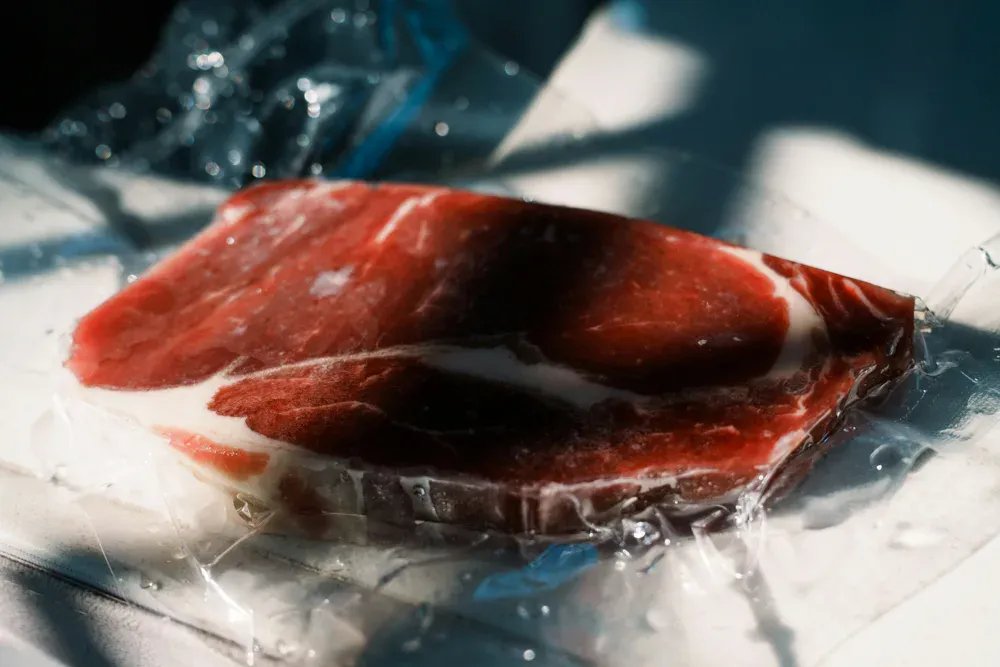
Vacuum packaging shines in the food industry. It is especially popular for meat, dairy, cheese, and prepared foods that require extended freshness. For example, vacuum-sealed steaks and cured meats remain safe and flavorful for much longer than loosely wrapped cuts. Yundu’s machines can pack items like marinated eggs, braised duck, dried seafood or flavored tofu into pre-made pouches. Salted eggs or marinated snacks stay moist and safe under vacuum. Bulk grains, beans and powders are also sealed pouch-by-pouch to prevent moisture. In all cases, limiting oxygen exposure is crucial: an overview notes that “vacuum packaging is common for long duration storage of dry foods like cereals, nuts, cured meats, cheese, and smoked fish”.
Examples: Vacuum packaging is used for refrigeration-dependent products (meats, fish, cheese) and even for foods that still need refrigeration (vegetables, sauces). It also enables sous-vide cooking: foods are sealed then cooked in hot water without losing moisture. Overall, food packers find vacuum machines indispensable for maintaining quality and avoiding freezer burn.
Daily Chemical & Cosmetics Packaging
Vacuum packaging is not limited to food. In the daily chemical and personal care industries (soaps, shampoos, lotions, etc.), vacuum sealing can be used to protect product purity and extend shelf life of powder or granule contents.
 Yundu’s filling and packaging lines serve major cosmetic companies, ensuring ingredients like fine powders or sensitive liquids do not degrade before use. By packaging under vacuum, contaminants and moisture are kept out, and the “freshness” of raw formulas is preserved during storage and transport.
For example, sensitive chemical reagents and beauty product concentrates benefit from vacuum-sealed bags during storage. This keeps out moisture and air that could cause oxidation or clumping. As Yundu’s brochure notes, their machines accept various pouch types (including foil and laminated pouches) and a wide range of materials, making them suited for high-barrier packaging required by chemicals and personal care products. The same dual-rotation vacuum system that fills food pouches can also handle powders, creams, or liquids used in daily chemical products.
Medical and Pharmaceutical Packaging
In medical and pharmaceutical contexts, vacuum packaging can ensure sterility and stability. Medical devices and instruments (like syringes, implants or sensitive components) are often vacuum-sealed to protect against moisture and microbial contamination. The absence of air helps maintain sterility after sterilization and before use. Industry sources emphasize that vacuum systems are used for “validated medical packaging” to meet strict hygiene standards. In fact, one supplier notes, “From food-grade sealing to validated medical packaging, vacuum sealing machines provide high-performance solutions”. By sealing in a cleanroom environment and removing air, vacuum-packaged medical products stay shelf-stable without preservatives. Pharmaceuticals (e.g. sterile fluids or powders) and delicate equipment also use vacuum-sealed blisters or trays.
In summary, vacuum packaging is ideal for any product sensitive to oxygen or moisture – including many consumer chemicals and medical items. Yundu’s machines, built with sanitary stainless steel and GMP-compliant construction, meet the strict requirements of these industries. Their solutions often incorporate additional modules (like nitrogen gas flushing or UV sterilization) for extra safety in pharmaceutical and medical applications.
Yundu’s Advanced Vacuum Packaging Machines

Yundu’s vacuum packaging equipment stands out for reliability and flexibility. The key model is a rotary pre-made pouch vacuum packaging machine. As their technical brochure explains, this machine has two rotating carousels: one intermittently fills each pouch, while the other continuously applies vacuum and heat-sealing. This dual rotation allows smooth, high-speed operation.
Highlights of Yundu’s vacuum machines include:
- Dual-Station Rotary System:The filling carousel loads product into pouches, then transfers to the vacuum-sealing station. This “filling system rotates intermittently… while the vacuum system rotates continuously” for efficient workflow.
- Stainless Steel Construction:All product-contact parts use food-grade 304 (or 316L) stainless steel to meet hygiene standards. This ensures corrosion resistance and easy cleaning.
- Touchscreen PLC Control:Advanced PLC controls with color HMI make setup and operation easy. Operators can adjust fill volumes, vacuum pressure, and seal temperatures on-screen.
- High Versatility:Yundu machines pack a wide range of products – granules, powders, liquids, pastes, and more. They accept many pouch styles (flat, stand-up, zipper, spout, gusseted, foil-lined, etc.). This means one system can switch between packing tea, nuts, powdered spices, sauces, or creams simply by changing the filling apparatus.
- Optional Modules:The machines can be equipped with extras like horizontal pouch feeders, pouch-bottom openers, nitrogen gas fill, hole-punchers, and more (as per the brochure). This lets manufacturers tailor the line to specific products.
- Efficiency:With a multi-station design, Yundu machines achieve high output (e.g. dozens of pouches per minute) while maintaining precision filling (±0.5%) and low downtime.
Importantly, Yundu has deep expertise in bag packaging. Their machines comply with GMP and industry certifications (CE, ISO9001) and are optimized for stable, unmanned operation. According to Yundu’s own materials, their filling and packaging lines can achieve high speeds (2,000–10,000 units per hour) with less than 0.5% downtime【37†L415-L420】. Multiple changeover jigs and quick-release parts ensure fast product changeovers when switching materials or pouch sizes.
Yundu’s reputation is built on quality and support. Clients report that Yundu equipment is durable, easy-to-use, and boosts production efficiency. Yundu also offers customization to meet unique needs (e.g. special pouch sizes or additional inspection modules). Their after-sales service includes a 12-month warranty, 24/7 global support, and maintenance training – all of which give customers confidence in running continuous vacuum packaging lines.
Conclusion
In summary, Yundu’s vacuum packaging machines are top-tier solutions for any manufacturer needing to pack solids, powders, liquids, or pastes under vacuum. By leveraging advanced vacuum-seal technology, these machines help prolong shelf life and ensure product quality across food, chemical, and medical industries. Their robust construction, user-friendly controls, and proven track record make Yundu’s machines a smart investment for bagged goods production. As Luna notes, Yundu’s decades of focus on bag-filling have led to “the highest quality machines that satisfy customers” in challenging industries like food and daily chemicals.