 English
  Arabic
  Indonesian
  Vietnamese
  Malay
Malay  Thai
Thai  Korean
  Russian
  French
  Italian
  Japanese
  Portuguese
  Turkish
  Spanish
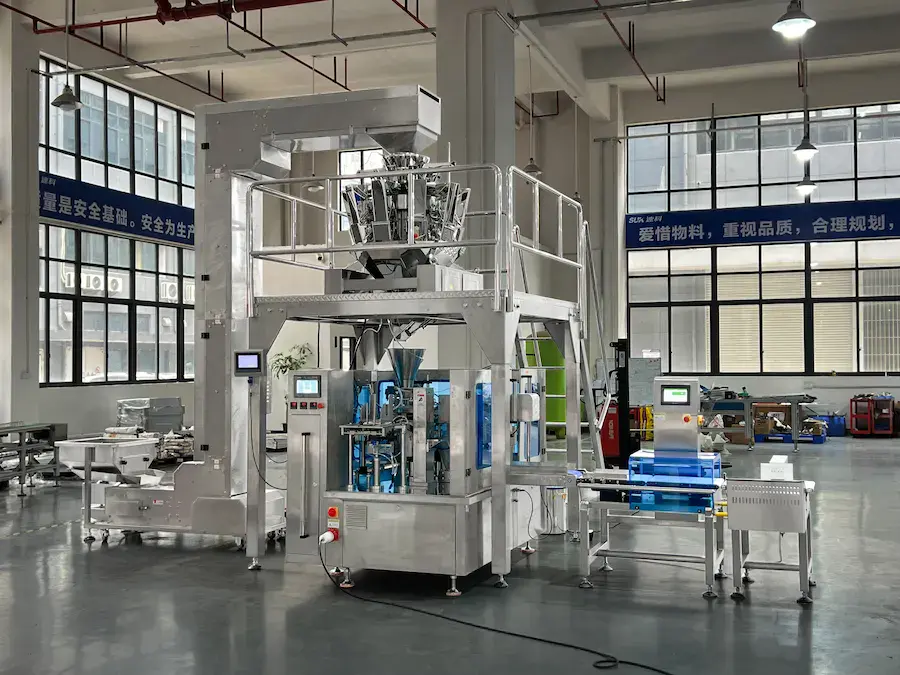
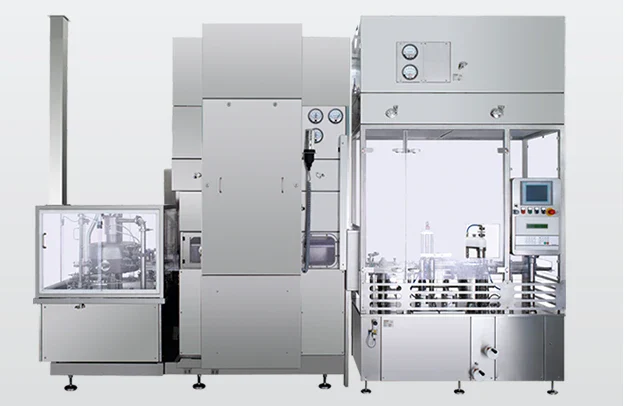
 Modern pharmaceutical and beverage production demands innovation, efficiency, and uncompromising product quality. At the forefront of this revolution is the Blow Fill Seal (BFS) machine—a sophisticated piece of equipment that forms, fills, and seals containers in a single, automated, and aseptic process. While the BFS machine is critical to packaging, the overall production of oral liquids involves a series of meticulously controlled steps, from formulation to final packaging. This article provides an in-depth look at both the BFS technology and the complete oral liquid production process.
Overview of BFS Technology
The BFS machine has transformed the packaging industry by combining container formation, liquid filling, and sealing into one continuous process. This innovative technology minimizes human contact, ensuring a sterile environment that is essential for sensitive oral liquid products such as medicinal syrups, nutritional supplements, and beverages.
Key Advantages of BFS:
- Enhanced Sterility: The entire process occurs in a closed, aseptic environment, significantly reducing the risk of microbial contamination.
- High Throughput: With production capacities reaching up to 12,000 bottles per hour, the BFS machine meets the demands of high-volume operations.
- Precision and Consistency: Automated controls ensure that each container is uniformly formed, filled with the correct dosage, and sealed properly.
- Cost Efficiency: On-demand container creation minimizes the need for pre-manufactured bottles, thereby reducing material storage and wastage.

Detailed Machine Structure and Components
Based on the YD-350 manual, the BFS machine is constructed from robust components designed to work in harmony throughout the production cycle.
Key Components:
Machine Frame and Structural Cabinet:
A stable base, complete with machine feet, underpan, and guide rails, ensures precise alignment and minimizes vibrations. This foundation is essential for consistent production quality.Touch Screen Interface:
Operators interact with the machine via a user-friendly touch screen, which allows them to set and adjust key parameters—such as temperature, forming pressure, and sealing positions—in real time.Material Film Feeding and Forming System:
High-quality composite films (e.g., PVC/PE, PET/PE, EVOH/PE) are fed into the machine, where they undergo preheating (typically between 95°C and 100°C) to become pliable. The film is then drawn into a forming mold.Blow Molding Module:
A servo-controlled blow head inflates the preheated film to form a container (or parison). This step is critical; precise control of air pressure and mold temperature ensures uniform container shapes.Filling Mechanism:
Using a peristaltic pump, the machine dispenses the exact volume of oral liquid into each container immediately after its formation.Tail Sealing and Cutting Unit:
After filling, the container is conveyed to a sealing module where tail sealing molds (operating between 115°C and 125°C) secure an airtight finish. A cutting mechanism then separates individual bottles from the continuous film.Servo Motor Control:
Each component—whether for film feeding, forming, or sealing—is driven by independent servo motors. This arrangement allows for precise adjustments and ensures smooth, synchronized operation.
The Comprehensive Oral Liquid Production Process
While the BFS machine is central to the final packaging step, producing high-quality oral liquids involves several upstream processes. These include formulation, sterilization, and quality control—each of which is crucial for ensuring safety and efficacy.

Formulation Preparation
The production of oral liquids begins in a controlled, clean-room environment:
Ingredient Mixing:
Active pharmaceutical ingredients (APIs) are precisely weighed and mixed with excipients (such as stabilizers, sweeteners, and flavoring agents). The mixture is dissolved or suspended in a suitable solvent—typically purified water—to form a homogenous solution.Process Control:
Advanced mixing equipment and in-line sensors monitor parameters such as pH, viscosity, and concentration. This rigorous process ensures that every batch meets predetermined quality specifications.
Sterilization Techniques
Given that oral liquids are administered directly to patients, achieving a sterile product is non-negotiable:
Heat Sterilization:
Some formulations are sterilized by raising the temperature of the solution to eliminate microbial contaminants.Filtration Sterilization:
In cases where heat might degrade sensitive ingredients, sterile filtration is used. High-efficiency filters remove bacteria and other contaminants while maintaining the integrity of the active compounds.Aseptic Environment:
Throughout the formulation and sterilization process, operations occur within an aseptic environment to prevent post-sterilization contamination. This includes the use of clean rooms, controlled air quality, and strict personnel protocols.
Automated Filling and Sealing with BFS
Once the oral liquid has been formulated and sterilized, it is ready for the final packaging stage using the BFS machine:
Preheating and Forming:
The sterilized film is fed into the machine, where it is preheated and then drawn into a forming mold. The servo-controlled system ensures that the film is uniformly heated and properly aligned.Blow Molding:
A controlled burst of air inflates the heated film into the desired container shape. Precise adjustments ensure that the container’s dimensions are consistent, which is critical for accurate filling.Filling Process:
Immediately after container formation, the pre-sterilized oral liquid is metered into each bottle by a peristaltic pump. This step guarantees that each container receives the exact dosage required.Tail Sealing and Cutting:
Following filling, the container is conveyed to the sealing module. Here, dual-stage sealing (involving both inner and outer molds) creates a tamper-proof closure. A cutting mechanism then separates the finished bottle from the continuous film, readying it for final inspection.
Post-Filling Quality Assurance and Packaging
After the BFS process, additional quality control measures are implemented:
Inspection:
Automated systems verify that each bottle is correctly filled, sealed, and free from defects. Any deviation triggers an alarm for immediate corrective action.Labeling and Secondary Packaging:
Once inspected, bottles are labeled with product and batch information. They are then packaged into cartons or other secondary packaging materials, ensuring safe transport and storage.Regulatory Compliance:
Every step of the production process—from formulation to final packaging—is documented and compliant with regulatory standards such as GMP and FDA requirements. This guarantees that the final product is safe for consumer use.
Operation and Maintenance of the BFS Machine
The performance of the BFS machine is optimized through routine maintenance and careful operational procedures.
Pre-Operation and Setup
Installation and Alignment:
The machine must be installed on a level surface using rubber pads to reduce vibrations. Correct alignment of the guide rails and molds is verified using electronic checking sensors.Lubrication and Equipment Checks:
All moving parts, including servo motors and guide rollers, are lubricated regularly. Pre-operation checks ensure that air, water, and electrical supplies meet the specified requirements.System Calibration:
The touch screen interface allows for quick calibration of temperatures, pressures, and timings—ensuring that both the film forming and liquid filling processes remain consistent.
Troubleshooting and Maintenance
The machine manual provides detailed guidelines to address common issues:
Forming Defects:
Poorly formed containers can result from low preheating temperatures, inadequate air pressure, or misalignment of the blow head. Incremental adjustments to the temperature settings and air pressure, along with routine checks of mold alignment, resolve these issues.Inconsistent Filling:
Variability in filling volumes can occur due to minor blockages in the peristaltic pump or fluctuations in pump performance. Regular inspection and calibration help maintain dosage accuracy.Sealing Issues:
Leaks or imperfect seals are often traced back to incorrect sealing temperatures or mold misalignment. The machine’s dual-stage sealing system allows for fine-tuning of temperature settings to achieve optimal results.Routine Maintenance:
Daily maintenance includes cleaning critical components, verifying calibration settings, and ensuring that cooling water and air supplies are functioning properly. This proactive approach minimizes downtime and prolongs the machine’s lifespan.
Technical Specifications of the YD-350 BFS Machine
Understanding the technical capabilities of the BFS machine is crucial for optimizing production:
Forming Frequency:
0–20 cycles per minute, with each cycle producing 10 bottles.Production Capacity:
Up to 12,000 bottles per hour, ideal for large-scale manufacturing.Power Requirements:
Operates on a 380V, 50Hz three-phase supply with a total power consumption of 22KW.Machine Dimensions:
Approximately 5200 mm in length, 1050 mm in width, and 1800 mm in height.Material Compatibility:
Designed to work with composite films such as PVC/PE, PET/PE, and EVOH/PE, offering versatility across various oral liquid formulations.

Benefits for Pharmaceutical and Beverage Industries
Integrating a BFS machine into the production line offers significant advantages:
Unparalleled Sterility:
Aseptic processing minimizes contamination risk—a critical factor in pharmaceutical manufacturing.Operational Efficiency:
Automation reduces labor costs and speeds up production cycles, enabling manufacturers to meet high-volume demands.Flexibility and Customization:
The machine’s adjustable settings allow for a range of container shapes and sizes, making it adaptable to different product lines.Cost Reduction:
On-demand container formation eliminates the need for bulk storage of pre-made bottles, reducing material costs and waste.Regulatory Compliance:
The system is designed to meet stringent GMP, FDA, and other international standards, ensuring that every product is safe and effective.
Conclusion
The production of oral liquids is a complex process that begins with meticulous formulation and sterilization and culminates in the high-speed, aseptic packaging offered by the Blow Fill Seal machine. By integrating advanced servo motor controls, precise temperature management, and a user-friendly interface, the BFS system not only ensures product integrity and sterility but also dramatically improves production efficiency.
From the initial mixing of active ingredients to the final sealing and packaging of oral liquids, every step is designed to meet the highest standards of quality. The combination of modern BFS technology and rigorous manufacturing protocols guarantees that manufacturers can deliver safe, effective, and high-quality oral liquid products to consumers worldwide.
Investing in a state-of-the-art BFS machine, such as the YD-350, represents a strategic decision that drives productivity, enhances regulatory compliance, and ultimately leads to a competitive edge in both the pharmaceutical and beverage industries.