Sauce packaging machines play a vital role in modern food production. They automate filling, sealing, and often capping of sauces, condiments, and spreads, increasing speed and consistency in production. By using a dedicated sauce packaging machine (also called a sauce packing machine or sauce sachet packing machine), manufacturers can handle large volumes of product with minimal labor, reducing errors and ensuring uniform fill weights. These machines keep hygiene high (with stainless-steel, food-grade components) and work with different container types – from bottles and jars to sachets and pouches. In short, any fluid or paste-like condiment that needs portioned packing – from ketchup to honey – is a candidate for these machines.
What is a Sauce Packaging Machine and How It Works
A sauce packaging machine is an automated system that fills and seals sauces and condiments into containers. It typically combines several functions in one production line: filling, sealing/capping, and sometimes labeling or coding. For example, a typical sauce filling machine dispenses precise amounts of sauce from a hopper into containers as they move on a conveyor. It may use volumetric pistons or pumps for metered filling. Sensors on the conveyor detect each empty container and trigger the filling nozzles at exactly the right moment.
Components & Functions
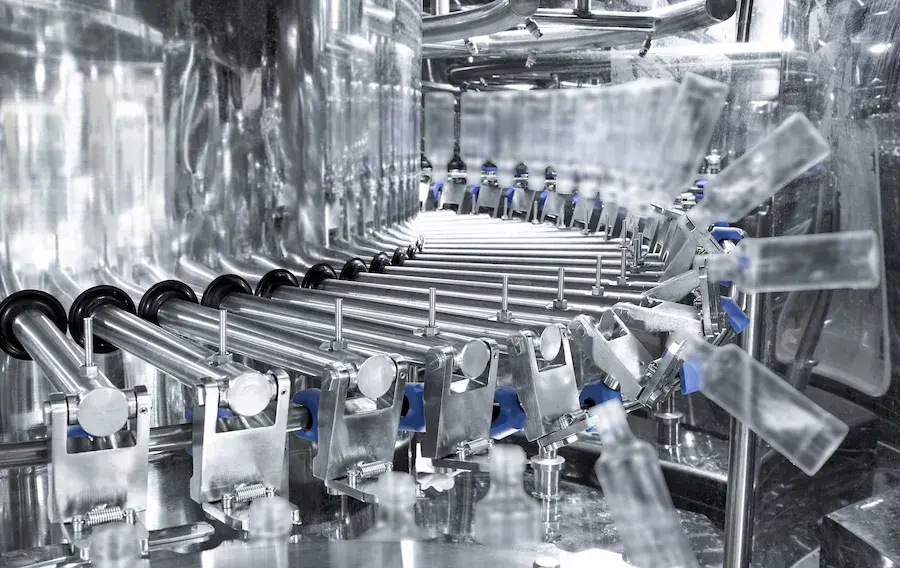
Common components include a hopper (holding the sauce), a conveyor system (to move containers), filling nozzles (which meter the product), and sealing heads or cappers. After filling, jars or bottles typically move to a capping or sealing station to apply lids or seals, and often to labeling/coding stations for brand/expiry information. In a sauce pouch machine, pre-made pouches are opened, filled, and then heat-sealed. In bottle or jar lines, cappers and labelers follow filling.
How It Works
For high-viscosity sauces (like ketchup or mayonnaise), machines often use a piston filler (volumetric filling). These piston fillers are highly accurate for thick pastes and can handle chunky ingredients. For thinner sauces (like soy sauce or vinegar), gravity or pump fillers may be used, which can run faster because the liquid flows easily. The machine’s control system (often PLC-based) coordinates all actions: it advances containers, fills them, seals them, and ejects finished packages in a continuous cycle. Fully automated lines often require only an operator to load empty containers and periodic maintenance, greatly boosting output.
Packaging Formats: Sachets, Pouches, Bottles & More
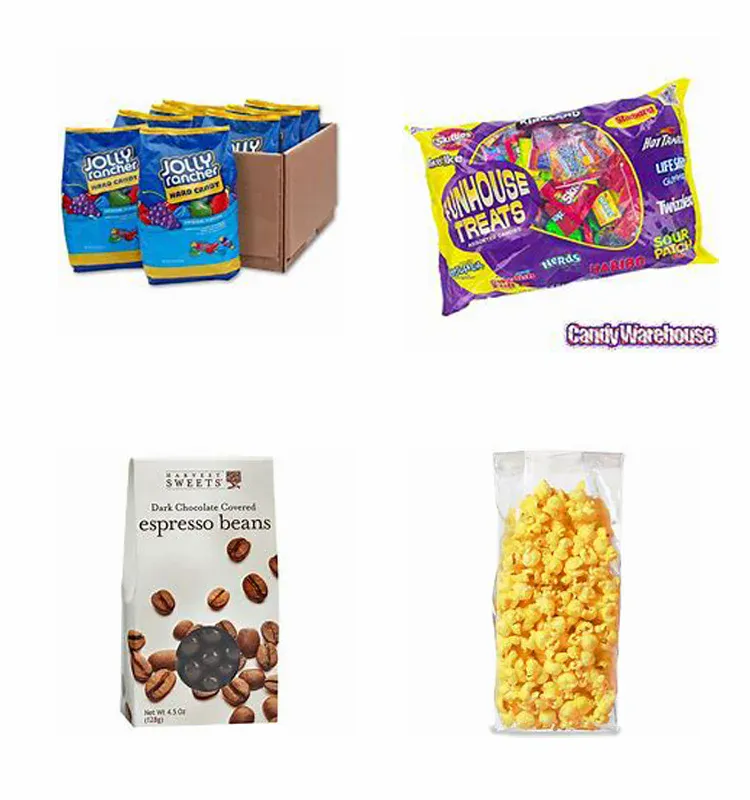
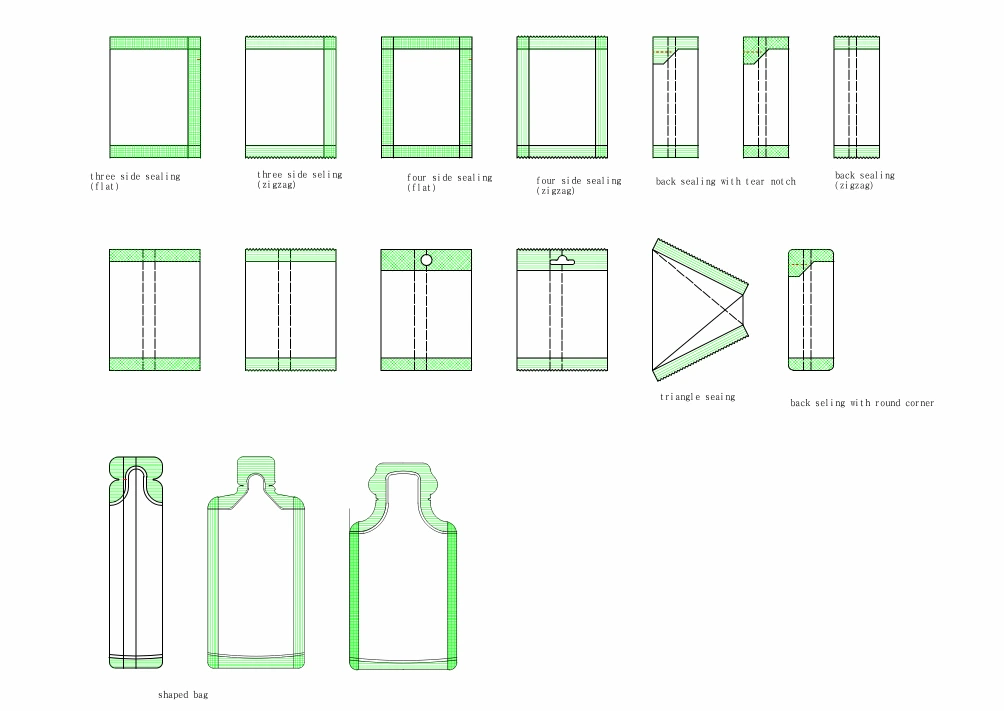
Sauce packaging machines are designed to work with various package formats. The main types are sachets (stick packs), premade pouches (including stand-up and spouted pouches), and rigid containers (bottles and jars). Each format has its own advantages and drawbacks:
| Format (Container) | Advantages | Disadvantages |
|---|---|---|
| Bottles/Jars (glass or plastic) | High-end appearance; resealable for reuse; excellent barrier (keeps oxygen out, good for vinegar or oil); easy to display on shelves. | Heavy and breakable (glass); higher production and transport cost; hard to squeeze all product out; limited labeling area. |
| Stand-up Pouches (with or without spout) | Lightweight and space-saving; up to 60–80% lighter than bottles, reducing shipping costs; resealable designs (spouts or zippers) add convenience; large printable area for branding. | Not ideal for very thick sauces (needs larger opening); higher tooling/mold costs for small runs; plastic laminates can be more expensive per unit than sachets. |
| Single-serve Sachets/Stick Packs | Extremely low cost per unit; ultra-portable and hygienic for on-the-go or fast-food (e.g. ketchup packets); ideal for trial/sampler packs. | Single-use, non-resealable; limited space for branding or instructions; environmental waste (multi-layer film). |
Examples: Ketchup and soy sauce sachets are common in take-out meals (distributed by a sauce sachet packing machine), while premium gourmet sauces might be sold in glass bottles. Spouted stand-up pouches (filled by a sauce pouch packaging machine) are popular for products like cooking oils, BBQ sauces, and salad dressings because they combine portability with resealability. The choice of format depends on product viscosity, shelf life, branding needs, and target market.
Products Suitable for Sauce Packaging Machines
Modern sauce packaging machines can handle a wide range of condiments and spreads. Here are key product categories and how they fit packaging machines:
- Tomato-based Sauces (Ketchup, Tomato Paste, Tomato Sauce): These are thick, often slightly pulpy sauces. A ketchup packaging machine (piston filler) is typically used. Ketchup and tomato paste are high-viscosity, so piston or auger fillers ensure accurate dosing. They can be packed in bottles, jars, sachets, or pouches. In fact, a tomato paste packaging machine exists for multi-serve sachets or small cups. For example, one sauce filler is certified to fill ketchup, sauces, mayonnaise, honey, mustard, olive oil and more, showing that a typical ketchup machine can also handle similar tomato sauces. Tomato sauce (a bit thinner than paste) is often bottled or canned; a tomato sauce filling machine may include a sealing/seaming station for lids.
- Creamy Condiments (Mayonnaise, Mustard, Salad Dressings): These are very viscous. Mayonnaise and creamy dressings often require airless or piston fillers. A specialized mayonnaise filling machine can pack thick mayo into pouches or jars. Mustard (grainy and thick) and salad dressings (which can be creamy or oil-based) similarly use piston or eccentric screw pumps. Landpack notes that their “air-free” pouch machine is suitable for mayonnaise, sauces, ketchup, jam, chili sauce, bean paste and more. These machines handle suspension of particulates (e.g. pepper in dressing) and ensure consistent fill weight. Often these products go into larger squeeze bottles or stand-up pouches due to their sticky nature.
- Spicy Sauces (Chili Sauce, Barbecue Sauce, Salsa): These can range from moderately thick to chunky (salsa has vegetable pieces). A piston or gear pump filler is ideal. For instance, Levapack describes a piston filler that can handle “even high-viscosity sauces containing vegetable or meat chunks”. Barbecue sauce (sweet and tangy) and hot chili sauces (spicy) are often packaged in bottles or pouches; salsa (which may contain tomato chunks, onion, spices) similarly requires robust filling heads. Some machines even include stirrers or circulation hoppers to keep chunky sauces homogeneous during filling.
- Sweet Spreads (Honey, Jam, Dessert Sauces): These include sticky, viscous products. Honey and jam are often filled with pumps that gently handle syrupy textures. Packaging might be in jars (for jam) or squeeze bottles. Interestingly, some sachet machines can even fill honey, sugar syrups, or dessert toppings by controlling stickiness. For example, the Makwell filler advertises filling honey and even peanut butter. Dessert sauces (like caramel or chocolate sauce) are similar. The key is that these filling machines can be calibrated for very thick fluids.
- Thin Condiments (Soy Sauce, Vinegar, Teriyaki): These are low-viscosity liquids. They can be filled very quickly using gravity or centrifugal pump systems. A soy sauce packaging machine often runs at high speed – even up to dozens or hundreds of packets per minute – since the liquid flows easily. For instance, a sauce line handling juices and oils (similar thin sauces) can achieve much higher throughput. Thin sauces are commonly packed in small sachets (think sushi soy packs) or in bottles. Some stand-up spouted pouches are also used (especially for Asian sauces). When thin sauces are the product, manufacturers may choose a ketchup sachet packing machine or a multi-lane sauce packet machine to achieve high output.
Key Specifications of Sauce Packaging Machines
When selecting a sauce packaging machine, important specifications include:
- Filling Capacity: Ranges widely from small sachets (a few ml) to multi-liter containers. Many machines cover 100–6,000 ml per fill. For example, a typical automatic liquid filling line might handle 100–6,000 ml bottles. Pouch machines for single-serve will use the lower end (e.g. 5–200 ml per packet), while jar/bottle fillers handle larger fills (100 ml–5 L or more).
- Packaging Speed: Depends on format and viscosity. Sachet/pouch machines often run faster; many pouch VFFS machines achieve 30–60 (or more) packs per minute. In fact, some high-speed stick/sachet machines can exceed 100 pouches per minute per lane. Bottle/jar fillers are usually measured in containers per hour; for instance, one canning line fills about 30 cans per minute (≈1,800 cans/hr) (roughly 30 bpm). Zonesun’s example VFFS machine lists about 35–60 bags/min for light products. Packaging speed is often adjusted for product density (thicker sauces fill more slowly).
- Filling Accuracy: Precise dosing is critical. Modern sauce machines use servo-driven pistons or augers with accuracy typically within ±1% of target volume. For example, a Levapack canning line reports filling accuracy within 1%. This high accuracy minimizes giveaway (overfill) and ensures consistency. Machines often have electronic feedback (weighers or sensors) to monitor and adjust each fill in real time.
- Viscosity Range: Sauce machines cover a broad viscosity spectrum. Piston fillers can handle very thick pastes (honey, mayonnaise, ketchup) and even particulates. Pump or gravity fillers handle runnier sauces (vinegar, soy sauce) and drinks. Often the same base machine can be configured (by changing nozzle size or fill stroke) for different products. Specifications will indicate compatible viscosity range (from water-like to peanut-butter-thick).
- Automation Level: Equipment comes in semi-automatic (operator places containers) or fully automatic models (where feed, filling, and output are continuous). High-end sauce lines are typically fully automatic with PLC controls, sensors, and conveyors. These feature stainless-steel construction, touch-screen interfaces, and can link with upstream/downstream equipment. Semi-auto units (table-top fillers) are available for small producers. The most automated lines include container rinser, filler, seamer/capper, labeler, and coder all in one.
Comparison of Packaging Formats
The table above summarizes how different containers compare for sauce products. In general, single-serve sachets (small liquid packs) are best for quick-serve or promotional use due to their low cost and convenience. Stand-up pouches (especially with spouts) strike a balance: they’re lighter and cheaper than bottles and offer premium appeal through custom printing. Bottles or jars are chosen when a reusable container or premium image is needed. Choosing between them depends on cost targets, consumer expectations, and the sauce’s flow properties.
Conclusion
Sauce packaging machines are versatile tools that fit many types of sauces and condiments. From ketchup to mustard, mayonnaise to soy sauce, there is a suitable machine setup (and packaging format) for each. These systems handle specified filling volumes and speeds while maintaining accuracy. By choosing the right machine – one matched to product viscosity, output needs, and container type – food producers can pack sauces efficiently and consistently. In summary, whether you need a ketchup filling machine, a sauce sachet packing machine, or a tomato paste packaging machine, there are dedicated solutions. Match your sauce category (tomato-based, creamy, spicy, sweet, thin, etc.) to the appropriate equipment, and you’ll achieve fast, hygienic packaging that boosts production and satisfies customers.
Sauce Packaging Machines FAQ
Transparency is the cornerstone of our Yundu team. That’s why below, you can find the most common questions and answers we receive surrounding our sauce packaging machines.
Prices vary widely based on capacity, automation, and brand. Entry-level tabletop fillers or small sachet machines might cost a few thousand dollars. Fully automatic high-speed lines (including conveyors, sealers, cappers, labelers) can run into tens of thousands USD or more. Each quote depends on specifications. (We did not find explicit pricing in the sources, so consult manufacturers or distributors for up-to-date quotes.)
Focus first on your product characteristics and output needs. If your sauce is highly viscous or chunky (like ketchup, mayo, salsa), a piston-type filler is preferable. If it’s very fluid (soy sauce, vinegar), a gravity or pump filler may offer higher speed. Consider container format too: will you use bottles, jars, pouches or sachets? Ensure the machine’s fill heads match your container size. Also check the required output rate (packs per minute); low-speed models are fine for small batches, but high-demand production needs faster machines. Finally, compare features: machines with PLCs and automated controls can improve consistency and reduce labor. In short, match the machine’s design (nozzle type, size range, automation) to your sauce viscosity, packaging style, and volume requirements.
Hygiene is critical for food safety. Sauce machines are built with stainless-steel, food-grade parts for easy cleaning. Most have quick-release nozzles and hoppers that can be cleaned daily to prevent contamination. Some high-end machines support CIP (clean-in-place) systems. In practice, operators rinse or wash all product-contact surfaces (nozzles, filler hoppers, container guides) every shift. Landpack notes their machines are designed to be “easy to clean and maintain” and meet GMP standards. Always follow the manufacturer’s SOP for cleaning: remove residues promptly, sanitize surfaces, and periodically service moving parts. Proper maintenance (lubrication, sensor checks, etc.) will ensure long life and consistent filling accuracy.
A full sauce packaging line may include container rinsers (to sterilize empty bottles), cap/seaming machines (for lids or pouches), labelers, and date coders. However, for small operations, you might only start with a single filling/sealing unit. Many vendors offer modular lines so you can upgrade over time. Ensure whatever you buy can integrate with additional modules if needed.