A three-side seal pouch is a flat, flexible pouch sealed on three edges (typically the bottom and both sides), with one side left open for filling. In the food industry, these pouches (also called flat pouches or lay-flat pouches) are widely used for single-serve snacks, condiments, seasonings, and more. The pouch is formed from a single sheet of multi-layer film that is heat-sealed on three sides, creating a compact sealed package.
Definition and Structural Design
Three-side seal pouches have a simple rectangular design. One edge is left open during filling, and the other three edges are sealed. For example, a film sheet may be folded and then sealed along the bottom and sides, leaving the top edge open for product filling. After filling, the open side is heat-sealed to close the pouch. The result is a lay-flat pouch with one uniform surface ideal for printing or labeling. This flat profile means the pouch cannot stand on its own (no bottom gusset), but its flat shape makes it easy to pack many pouches in cartons or display on shelves.
In practice, manufacturers may ship these pouches pre-made (three sides sealed) or produce them on form-fill-seal lines. Regardless, the structure is the same: a single compartment pouch with three sealed seams. Because of its uniform design, the three-side seal pouch is very space-efficient. Multiples of these pouches stack neatly in pallets or boxes, saving warehouse space
Typical Materials
Three-side seal pouches are made from multi-layer laminated films chosen for food safety and barrier needs. Common film layers include:
- Polyester (PET or OPP): a tough, printable outer layer.
- Polyethylene (PE or CPP): the inner heat-sealable layer.
- Nylon or EVOH: for puncture resistance or extra oxygen barrier.
- Aluminum foil or Metallized film: to block light, oxygen and moisture for sensitive foods.
- Kraft paper: occasionally used for a natural, matte finish (with a plastic sealant layer inside).
These layers are bonded with adhesives into a single roll. For example, a PET/foil/PE laminate provides very high oxygen and moisture barrier. All materials are food-grade and usually BPA-free. Because of the metal or EVOH layers, many three-side pouches offer high barrier performance, keeping products fresh by blocking oxygen, moisture, and UV. By contrast, simpler snack pouches might use only PET/PE or OPP/PE films. Typical total film thickness ranges from about 50–100 microns (μm) depending on product requirements; thicker films give more durability at the expense of higher cost. Overall, the film construction is chosen to balance barrier vs. cost for the intended food.
Manufacturing and Sealing Process
Three-side seal pouches can be filled in two main ways. In the pre-made pouch method, pouches are fabricated beforehand (three sides sealed) and shipped empty. At the fill facility, workers or machines open each pouch, fill it with product, and then heat-seal the remaining side.
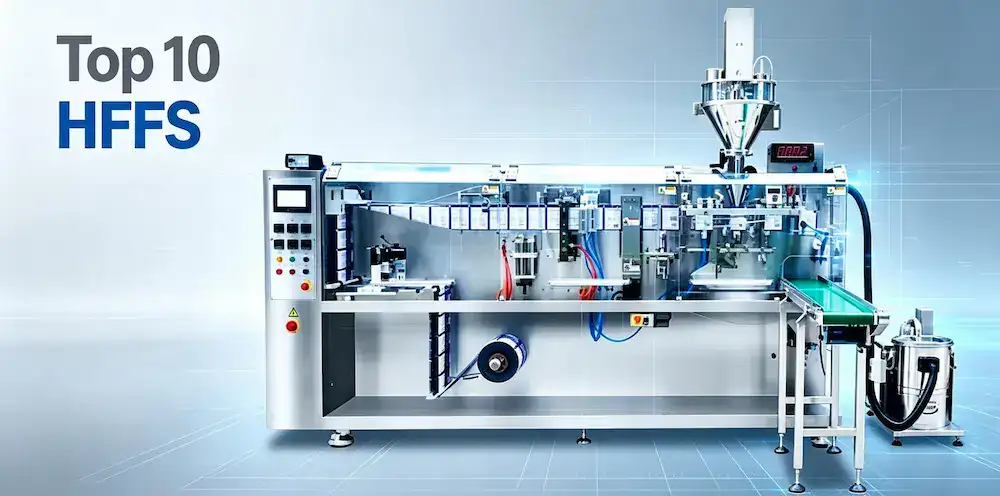
The more common approach is to form and fill pouches on a form-fill-seal (FFS) machine. In a vertical FFS (VFFS) or horizontal FFS (HFFS) system, a continuous roll of film is fed through the machine. The film is formed into a tube or pouch shape, then cut to length. The product (snacks, powders, liquids, etc.) is dispensed into the open pouch, and all three edges are sealed automatically. For example, a VFFS machine might seal the bottom edge of a film tube, drop in the product, and then seal the top and side edges. High-speed machines can produce dozens of pouches per minute; in practice, typical lines run 30–60 ppm (pouches per minute) depending on pouch size and product.
Filling systems depend on product type: volumetric or auger fillers for granules, pump or gravity feed for liquids, and vibratory feeders for powders. During sealing, heated bars (or ultrasonic welds) bond the thermoplastic layers along each edge. Modern lines use sensors for quality control – for instance, vision or registration cameras ensure that graphics on the pre-printed film align properly on each pouch. After sealing, pouches often pass through slitting or trimming stations to remove excess film and then are packed into cartons.
In many food applications, an extra step is added before the final seal. Some pouches (like jerky, nuts, coffee) are vacuum-sealed or flushed with inert gas (e.g. nitrogen) just before sealing to extend shelf life. This ensures oxygen is removed, preserving freshness. Temperature settings for heat sealing typically range around 140–160 °C for PE layers, with dwell times of 1–2 seconds. The finished pouches then move onward (or are manually packed) for distribution.
Advantages of Three-Side Seal Pouches
Three-side seal pouches offer many advantages for food products:
- Cost-effective: They use minimal material and can be produced from inexpensive roll films, keeping production costs low.
- Versatile: Suitable for a wide range of foods – snacks, powders, sauces, liquids, etc. A single pouch design can accommodate many different products.
- Lightweight: The pouch itself is very light, so the packaging adds negligible weight. This reduces shipping costs and is convenient for customers.
- High Barrier: Multi-layer laminates (often including foil or metallized films) provide excellent protection against oxygen, moisture and light, helping keep food fresh.
- Fully Printable: Both faces of the flat pouch can be fully printed in color, allowing eye-catching branding, labels, and nutritional information. Digital, flexo, or gravure printing can cover the whole pouch surface.
- Easy Filling & Sealing: The simple shape is easy to form on high-speed machines and to seal reliably. Fast filling equipment works well with the open top.
- Customizable: Pouches can be made in many sizes, shapes, and with special films or features (see below) to fit product needs.
- Consumer-Friendly: Tear notches, spouts, and zippers can be added for ease of use. For example, tear notches guide a clean open, and resealable zippers let consumers close the pouch after opening.
- Uniform Design: As a standard lay-flat format, each pouch is uniform in shape, making it easy to stack and store. This space-saving nature is noted by packaging guides.
- Durable: The laminated films resist punctures and can tolerate the heat-seal process. Many three-side pouches are robust enough to be vacuum-packed or frozen without bursting.
- Tamper-Evident: Once fully heat-sealed, the pouch shows obvious signs if opened, giving consumers confidence. The sealed edges provide tamper evidence if the package has been altered.
These qualities make the three-side pouch a favored format for single-serving and sample-size food products. Packaging literature notes that consumers demand convenience and freshness, and the 3-side pouch delivers both. It offers a proven balance of performance and economy, which is why so many brands use it for snacks, sauces, and other foods.
Common Food Applications
Three-side seal pouches are used across food categories. Typical examples include:
- Snack Foods: Potato chips, pretzels, nuts, dried fruits, beef jerky, and other chips or bars, often in single-serve packs.
- Confectionery: Candies, chocolates, and baked snacks in portion packs.
- Powders & Mixes: Coffee, tea, instant drink mixes, protein powders, spices, and seasonings.
- Sauces & Condiments: Single-use sachets or small pouches of ketchup, mayonnaise, salad dressings, oils, salsa, and spice blends.
- Frozen Goods: Small portions of frozen vegetables, fruits, or seafood. (Films used can withstand freezing and even vacuum packing).
- Pet Treats: Dog or cat treats in sample-sized bags.
- Bakery & Cereals: Granola bars, breakfast cereal portions, cookie samples, etc.
- Samples & Sides: Trial-size packs of soup, condiments, seasoning packets, and even sanitary wipes.
- Pharmaceutical & Personal Care: Single-dose samples of vitamins, supplements, lotions or ointments often use flat pouches for hygiene and portability.
According to SealedAir (Cryovac), these pouches are ideal for “point-of-sale packaging, single-serve, on-the-go snacks, or tester-size products”. They are commonly used for jerky, energy bars, sauces, spices and more – basically any product needing a sealed, portable package. In retail, flat pouches can hang on pegs or stack on shelves, making them popular for snack items and condiments where shelf space or portability is important.
Design Considerations and Customizations
While the basic pouch is simple, many design features can be added to meet specific needs:
- Tear Notches: Small notches (serrated cuts) in the top seal allow consumers to tear open the pouch easily. This ensures a clean tear and acts as a tamper-evident feature.
- Zipper Closures: Resealable zipper strips (press-to-close or slider types) can be heat-sealed along the opening edge. This converts the pouch into a reclosable bag – useful for snacks eaten in multiple sittings.
- Spouts and Caps: A plastic spout with a screw cap can be integrated for liquid or pourable products. This turns the flat pouch into a pourable container for sauces, oils, baby food, etc.
- Hang Holes/Euro Slots: A punched hole or euro-slot at the top lets the pouch hang on retail hooks. This is common for small snack packs or single-serve coffees.
- Transparent Windows: Die-cut clear windows (with a transparent film) let consumers see the product inside – popular for snacks and spices.
- Custom Cuts: The top or side edges may be shaped (D-cut, angled, or with holes) for aesthetics or functionality (like a built-in tab for gripping).
- Graphics & Finishes: The entire pouch surface can be printed in color (flexographic, gravure, or digital print). Special laminations (glossy, matte, metallic, holographic) and spot finishes (embossing, UV varnish) can create a premium look.
- Surface Effects: Textural effects like embossing or soft-touch lamination can be used for a high-end feel. Holographic foils or spot coatings add visual interest.
- Valves/Perforations: One-way degassing valves can be added (for coffee) or tiny perforations (for snack crisps) to maintain product quality.
- Recyclable Films: Traditionally, these pouches use mixed films that are not easily recycled. To address sustainability, some suppliers now offer mono-material versions (e.g. all-polyethylene) so the empty pouch can be recycled in plastic-film streams.
These features are integrated when the pouch is made. For example, tear notches and zipper strips are placed on the film web before sealing, and punch holes are cut after one seal. SealedAir’s packaging guides note that modern three-side pouches commonly include tear notches, zippers, and hang slots as standard options. In short, virtually any functional or decorative option (windows, custom printing, etc.) can be built into the pouch during production.
Conclusion
In summary, a three-side seal pouch is a flat, flexible food packaging format sealed on three sides with one open side for filling. Its simple structure – essentially a sealed bag with a single opening – makes it easy and cost-effective to produce while offering strong barrier protection and full-area printing space. It is widely used for on-the-go snacks, seasonings, sauces, frozen portions, and many other foods. This sealed pouch for food is prized for convenience and freshness: it keeps products secure and shelf-ready with minimal material.
Food brands rely on the three-side pouch as a proven, lightweight flexible packaging solution that satisfies both producers and consumers. Because of its practicality, efficiency, and versatility, the three-side seal pouch remains a packaging mainstay for many products. In short, it is a practical, flexible, high-performance food packaging format.
Three-Side Seal Pouch FAQ
Transparency is the cornerstone of our Yundu team. That’s why below, you can find the most common questions and answers we receive surrounding our food packaging bag.
A three-side seal pouch is a flat, flexible package sealed on three edges, with one open side for filling and sealing after the product is inserted. It’s made from laminated plastic or foil films that protect food from moisture, oxygen, and light. This type of pouch is commonly used for snacks, sauces, condiments, and powders due to its cost-effectiveness, strong barrier properties, and easy storage.
Three-side seal pouches are usually made from multi-layer films combining PET, OPP, PE, nylon, and aluminum foil. PET or OPP provides printability and strength, while PE acts as the inner sealant layer. For products requiring high protection, barrier materials like EVOH or metallized films are used to block oxygen and moisture, ensuring long shelf life and food safety.
They’re lightweight, cost-effective, and versatile. Food manufacturers prefer them because they use less material than rigid packaging, reduce shipping costs, and keep products fresh with excellent barrier protection. The flat design also allows full-surface printing for branding, making them ideal for single-serve snacks, sauces, and condiments.
Manufacturers use form-fill-seal machines that form the pouch from roll stock film. The machine seals three edges using heat, fills the pouch with food, and seals the fourth side. Pre-made pouches can also be filled manually or semi-automatically. Each pouch goes through heat sealing, trimming, and sometimes nitrogen flushing to preserve freshness.
These pouches are widely used for nuts, dried fruits, jerky, coffee, spices, sauces, dressings, and frozen foods. They’re also used for single-serving condiments, powders, and instant mixes. The strong seal and high-barrier film make them suitable for both dry and liquid food products, keeping flavor and aroma intact during transport and storage.
Yes. They can include features such as tear notches for easy opening, resealable zippers for reclosure, hang holes for retail display, and transparent windows to show the product. Printing can cover both sides in vibrant colors, while materials can be tailored for specific products, from high-barrier laminates to eco-friendly mono-material films.
Yes, when made with high-barrier or foil laminates, these pouches can safely hold liquids like sauces, soups, or oils. The inner layer provides leak-proof sealing, and optional spouts or caps make pouring easier. This makes them ideal for single-use or portion-controlled liquid food packaging.
Their multi-layer construction blocks oxygen, moisture, and UV light—three main causes of food spoilage. Some packages are vacuum-sealed or flushed with nitrogen before sealing, which removes air and prolongs shelf life. The airtight seals maintain flavor, aroma, and texture from production to consumption.
Traditional pouches use mixed materials that are difficult to recycle, but many manufacturers now offer mono-material PE or PP versions that are recyclable. Sustainable options such as biodegradable or compostable films are also emerging, helping reduce environmental impact without sacrificing performance.
A three-side seal pouch is made from a single film sheet sealed on three sides, while a four-side pouch is made from two sheets sealed on all edges. The three-side type is simpler, more economical, and ideal for single-serving foods. Four-side pouches provide higher durability for heavier or larger contents.
-scaled.webp)