Stick Pack Vs Sachet: What Packaging Is Best

Table of Contents

Stick Pack Vs Sachet What Packaging Is Best

Introduction to Stick Pack vs Sachet Packaging

Sachet vs stick pack packaging are two popular single-use flexible formats for food and beverage products. Both offer on-the-go convenience and precise dosing. Stick pack packaging (also called stick packs or stick packets) are narrow, tube-like pouches ideal for powders and granules. Sachet packs are flat pouches sealed on three or four sides. Understanding the differences is key for products like sugar, coffee, sauces, and nutritional powders. For context, the sachet market was valued at ~$8.75 billion in 2023 (projected to $14.2 billion by 2032), and stick pack packaging is forecast to grow from $1.51 billion in 2025 to ~$1.98 billion by 2030. Packaging professionals should weigh factors like product form, branding needs, and equipment when selecting between a sachet pack and a pack stick (stick pack) format.

What’s a Sachet? Defining Sachet Pack and Its Role in Sachet Food

A sachet pack (flat pouch) is typically a small, sealed packet for single-use products. Sachets are flat and rectangular, sealed on three or four sides. They are often used for sachet food items such as condiments, seasonings, sauces, liquid concentrates or baby foods. For instance, individual sugar or salt packets and ketchup or mayonnaise portions are classic sachet applications. In food packaging, sachets frequently hold powders or liquids (e.g. soups, sauces, salad dressings) because the 3–4 side seal gives a strong barrier.

Ketchup sachet packaging (flat bag)

Sachet paper (the material used) is usually a multi-layer laminate combining paper, plastic film, and sometimes aluminum foil. This structure provides strength and protection. For example, a sachet paper packet might have a paper exterior for rigidity plus a foil layer inside for moisture and oxygen barrier. The “paper” component enables printing and structure, while plastic or foil layers preserve freshness. Common uses include instant coffee, spices, and drink mixes packaged in sachets.

Key Points about Sachet Packs:

  • Shape/Seal: Flat, rectangular pouch; sealed on 3–4 edges.
  • Materials: Often paper-backed film laminates (paper + plastic/foil) for barrier protection.
  • Typical Contents: Sauces, liquids, semisolids (e.g. baby food), single doses of spices or sugar.
  • Machine Use: Can be pre-formed (fillable by hand) or made on VFFS sachet machines. This flexibility means even small producers can use sachets.

What Is a Stick-Pack? Understanding Stick Pack Packaging and Applications

A stick-pack (sometimes called a stick packet or stick pouch) is a narrow, tube-shaped package. It’s essentially the opposite of a flat sachet. Stick packs are long and slender—imagine a slim candy bar in a foil tube. They are usually sealed at the ends and overlap along one length side. This stick pack packaging is ideally suited to single-serve powders or granules. Common products in stick packs include drink mixes (instant coffee, energy drinks), powdered sweeteners, bouillon powder, and dietary supplements. Because of their size, each stick pack typically holds a precise, small amount – perfect for on-the-go consumption or sample packs.

Fruit vermicelli Stick Pack

Stick packs must be formed, filled, and sealed with specialized machinery (you form them from rollstock film). They are always made via high-speed automated lines. Each stick pack can carry branding and product info, but the narrow surface limits space. Famous examples (in spirit) include slim snack or health shots; even Glico Pocky® sticks (sold in Publix and other stores) use narrow wrappers that evoke the stick-pack concept. (Pocky’s individual sticks aren’t made on stick-pack machines, but the idea of a slim individual-serve wrapper is the same.)

Key Points about Stick Packs:

  • Shape/Seal: Long tube, sealed at ends (and one folded seam). Resembles a slender candy bar wrapper.
  • Materials: Multilayer plastic/foil films (e.g. OPP, PET, PE, aluminum laminate). Unlike sachets, stick packs are almost always film (plastic or foil) rather than paper.
  • Typical Contents: Fine powders, granules, and some liquids. Examples: powdered drink mixes, instant coffee, vitamin powders, salt/sugar sticks.
  • Machine Use: Formed on continuous VFFS stick-pack machines (rollstock only). They cannot be manually filled or pre-formed.
  • Extra: Stick packs (“pack stick” format) are perfect for precise dosing and portability. Their key advantage is minimal material waste and convenience.

Comparing Sachet Paper and Stick Pack Materials

Sachet packs often use paper-backed laminates. Common sachet paper is a multilayer structure: a paper exterior laminated with plastic and foil layers for barrier properties. For example, an instant coffee sachet might use a kraft paper layer for stiffness plus a PET/foil inner layer to block moisture. The paper element provides strength and printing surface, while the plastic/foil layer preserves freshness. Biodegradable or compostable sachet films (paper-based films) are also emerging for eco-friendly packaging.

Sachet Paper and Stick Pack Materials

Stick pack films are typically all-plastic multilayers. Stick pack packaging films combine polymers like OPP, CPP, PET, PE, nylon (NY), and sometimes aluminum foil into a thin laminate. For instance, a vitamin powder stick pack might use PET for stiffness, foil for barrier, and PE for sealing. Because stick packs are small and hold only one dose, manufacturers optimize film thickness to use the least material while still protecting the product. This often makes stick packs more material-efficient (and cost-effective) per dose compared to larger sachets.

Material Summary:

  • Barrier: Both can include foil layers for oxygen/moisture barrier. Sachets may rely on thicker laminates; stick packs rely on very high-barrier films (e.g. metalized PET).
  • Structure: Sachet paper (with film) vs. pure film. Sachets can have a paper “feel” for branding, whereas stick packs are usually glossy film.
  • Sustainability: Sachet options now include recyclable and compostable variants (e.g. paper-based sachet film). Some stick-pack films are moving toward mono-materials for recyclability, but they’re more often plastic-heavy.

How Sachet Machines and Stick Pack Equipment Differ in Production

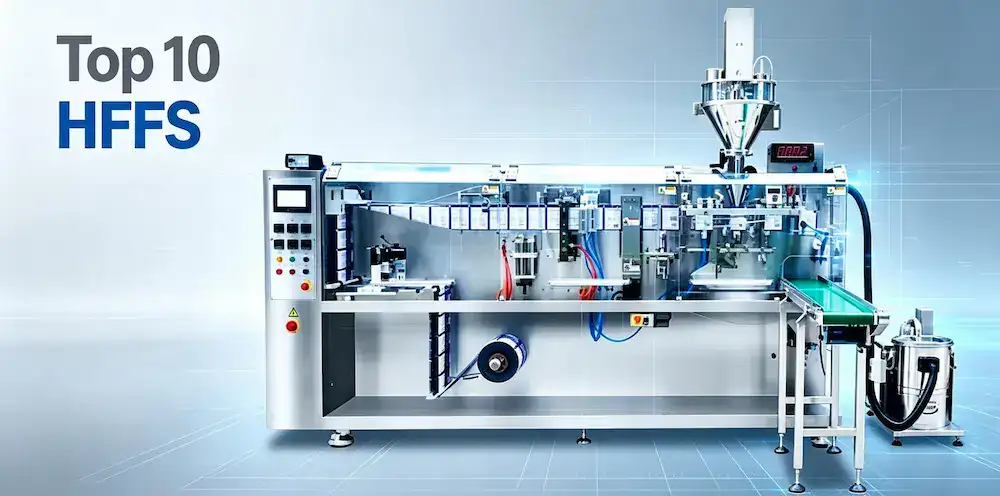
Sachet machines and stick pack machines are both VFFS (vertical form-fill-seal) systems, but they have key differences:

  • Filling Method: Stick packs require continuous automated filling from a rollstock film. You feed the roll of film into the machine, which forms a tube, fills it with powder (via auger or liquid pump), and seals the ends. There is no manual option: “Stick pack packaging can only be used for automated production environments… sold in roll stock form”. In contrast, sachet packs can be pre-made (three-side or four-side preformed sachets) and then filled either manually or by machine. This means a small brand can start with semi-automatic sachets (on small pouch-filling equipment) or fully automated sachet machines.
  • Machine Speed & Lanes: Modern stick-pack machines can be very fast. High-end multi-lane stick-pack machines can run hundreds of packs per minute. For example, a 9-lane stick-pack machine can produce ~400 stick packs/minute. Sachet machines can also be multi-lane: Unified Flex’s MSB-813 sachet bagger runs at 50 cycles/min on 20 lanes – up to 1000 sachets per minute. (Typical stick-pack machines max out around 40–50 cpm, but with many lanes, yielding similar throughput.)
  • Seal Formation: Sachet machines fold and seal on multiple sides (often three or four edges), while stick-pack machines only form and seal along one long seam and two end seals. This means sachet sealing is slightly more complex (and a sachet pack has 4 seals vs. 3 in a stick pack).
  • Machine Footprint: Stick-pack lines typically use narrow pockets of space, since each pack is small. Sachet lines might need wider infeed for rolls or sachet feeding. Some form-fill machines, like CarePac’s AP-140, can handle both stick and sachet formats with change parts.
  • Maintenance and Setup: Both use film rolls and dies, but stick-pack machines need precision for very narrow (1–2″) pouches. Sachet machines adjust for wider bags (up to 12″). Unified Flex notes sachet machines are “modular and flexible” with easy maintenance.
Vertical Form Fill & Seal Machines With 3 Side Seal

Citing Example: A Unified Flex AP-140 stick-pack machine yields 40 stick packs/minute (max width 1.5″), while their MSB-813 sachet machine yields 1000 sachets/min (20 lanes). Both use VFFS, but stick-pack runs narrower film and shorter dwell time, whereas sachets run wider film with four-side seals.

Use Cases: From Pocky Sticks Publix to Healthcare and Beverage Applications

Sachet and stick-pack formats serve diverse markets. Key industries and products include:

Food & Beverage

Stick pack packaging is ideal for powdered drink mixes and supplements (e.g. single-serve instant coffee, energy drink powders, nutritional boosters). Sachet packs work well for sauces, condiments, and liquids (e.g. ketchup/mayo portions, syrup/dressing sachets). As Pureflexibles notes, stick packs suit powdered drinks while sachets suit sauces. For example, a powdered latte mix would go in stick packs, whereas single-serving apple sauce or salsa would use a sachet.

Healthcare & Pharma

Stick packs are common for single-dose pharmaceuticals and supplements (vitamin powders, medications) that require precise dosing. Sachets often hold bulk powders or multi-use vials (e.g. protein powders, medical gels). In supplements, stick packs give easy dosing, whereas sachets might hold several servings. (Emergen-C™ vitamin C drink is famously in sachet packs). Pureflexibles notes stick packs help with precise dosing, sachets with bulk packaging.

Snack/Candy

Stick-shaped snacks (like biscuit sticks or straws) are rarely packed in true stick packs, but the slim concept applies. For example, Pocky sticks (a chocolate-covered biscuit sold at retailers like Publix) come in slender wrappers and bundles – a retail example of stick-like packaging. Sachets are used for single-serve nuts, candies or trail mix too.

Personal Care & OTC

Sachets are used for single-dose lotions, shampoos, and face mask samples. Stick packs (rare in cosmetics) might carry serums or drinkable supplements.

Household & Industrial

Many powdered products (cleaners, pet supplements, water enhancers) use stick packs. Small detergent or salt pods can come in sachets.

Example Use-Case Table (illustrative):

Industry Stick Pack Use Sachet Use
Food & Beverage Drink mixes, coffee, sweeteners (on-the-go powders) Sauces, syrups, condiments, dressings
Nutraceuticals / Pharma Single-dose vitamins, supplements, pharmaceuticals Bulk powders, protein drinks
Retail Snacks (e.g. Pocky-like snack sticks in slim wrappers) Sample packs, trail mix, seasonings
Healthcare / Travel Electrolyte powders, protein boosters Hand sanitizer/antiseptic wipes, creams
Cosmetics & Personal Care -- Face masks, serums, lotions samples

Sachet vs Stick Pack Packaging Comparison Table: Advantages and Limitations

Feature Sachet Pack Stick Pack
Shape & Seal Flat pouch, sealed on 3–4 sides Slim tube, sealed at ends and folded seam
Typical Size Larger single-serve or multi-use Single-dose (very small volume)
Material Use More material per unit; often paper + film/foil laminate Minimal film; multi-layer plastic/foil laminate
Barrier Protection Excellent (4 seals + multi-layer barriers) Very high (tight seals + foil film)
Portability Compact but slightly bulkier Ultra-portable; pocket-friendly
Machine Filling Can use manual filling or automated sachet machines Requires automated stick-pack machines (roll stock)
Typical Products Liquids, sauces, creams, spice mixes Powders, granules, drink mixes
Unit Cost Higher per pack (more material, more seals) Lower per pack (efficient film use)
Branding Area Large flat panels for printing Limited (narrow surface)
Advantages Great barrier, versatile filling, good for small batches Excellent for precise dosing, very low material waste
Limitations Bulkier shape; costlier per unit Small volume only; less design flexibility

Choosing Between a Sachet Pack and a Stick Pack: Practical Packaging Tips

When deciding sachet vs stick pack, consider the following checklist of factors:

  • Product Form: Is your product a liquid/semi-liquid or a dry powder/granule? Liquids (sauces, creams) generally need sachet packs, whereas free-flowing powders are ideal for stick packs.
  • Usage & Convenience: Will consumers use it on-the-go? Stick packs excel for portable powders (e.g. travel coffee). Sachets work for slow dispensing (e.g. sauces at a table).
  • Equipment Availability: Do you have access to automated packaging machines? Stick packs require form-fill-seal stick-pack machinery. If not, sachets can be hand-filled or run on simpler pouch machines, which can benefit startups.
  • Production Volume: High volumes favor stick packs with multi-lane machines (very high throughput). Smaller batches or sample runs are often easier with sachet pre-forms or small sachet lines.
  • Cost & Materials: Consider material costs. Stick packs use less film, so unit costs are lower. Sachets use more material and labor (especially for liquids), so per-unit cost is higher. However, sachet packs may justify cost if you need larger servings or stronger barriers.
  • Branding Needs: Sachets offer more printable area (front/back), which is helpful if your product requires detailed labeling. Stick packs have limited space (often only a front panel).
  • Shelf-life Requirements: If product stability is critical, both can be very protective. But sachet packs (with thicker layers and more seals) may give a slight edge for very sensitive items.
  • Regulatory & Labeling: Think about labeling laws. A larger sachet may accommodate required information more easily than a tiny stick pack.
  • Sustainability Goals: If eco-friendliness is a priority, sachet packs can use paper-based or compostable films. Stick packs can use recyclable films but often have multiple layers.

A simple decision aid:

  1. Choose stick packs for single-serving powders or liquids where ease of pour and portion control are key.
  2. Choose sachets for liquids, semi-liquids, sauces, or multi-use servings, especially if you need a strong barrier or more label space.

Final Thoughts on Sachet vs Stick Pack Packaging for Food Manufacturers

In summary, sachet and stick-pack packaging each solve unique challenges in the food industry. Sachet packs offer versatility for liquids and semi-solids, greater branding area, and flexibility for small producers. Stick pack packaging shines for precision-dosed powders and ultra-portable servings. Both formats save weight and material compared to rigid containers, and both can use advanced flexible materials. As demand for single-serve and convenient formats grows, savvy food manufacturers will match product attributes to the right pack.

By understanding how sachet vs stick pack packaging differ in design, material, and equipment, professionals can optimize cost, performance, and consumer appeal. Whether you’re packaging instant coffee or a sugar packet, selecting the right pack ensures product quality and market success. Keep evolving with new materials (like recyclable sachet films) and machines (multi-lane VFFS) to stay competitive. Ultimately, integrating these insights will help you streamline production and deliver an appealing single-serve product to consumers.

stick pack and sachet pack FAQ

Transparency is the cornerstone of our Yundu team. That’s why below, you can find the most common questions and answers we receive surrounding our stick pack and sachet pack.

A stick-pack sachet is a narrow, tube‑shaped single‑serve pouch formed, filled, and sealed on automated VFFS equipment. It holds precise doses of powders or granules—ideal for instant coffee, sweeteners, and nutritional supplements.

A sachet pack is a flat, 3‑ or 4‑side‑sealed pouch for liquids, sauces, or bulk powders. Stick-pack packaging is a slender, end‑sealed tube best for small‑dose powders and granules. Sachets offer more print area; stick packs save material and excel in portability.

Opt for stick packs when you need precise single‑serve powder or granule doses (e.g., drink mixes, health supplements). Their slim, portable form minimizes material waste, supports high‑speed automated lines, and enhances on‑the‑go convenience.

Choose a sachet pack for liquids, semi‑liquids, or sauces (e.g., ketchup, salad dressings) that require stronger barrier protection and larger label space. Pre‑formed sachets also allow semi‑automatic or manual filling for small batches or sample packs.

Sachet paper refers to multi‑layer laminate film that often includes an outer paper layer for rigidity and printability, plus inner plastic or foil layers for moisture and oxygen barrier—combining strength, freshness preservation, and branding potential.

A sachet machine forms flat pouches from roll stock, fills them with product (liquid or powder), and heat‑seals three or four sides. It can operate in multi‑lane, high‑speed configurations or handle pre‑made sachets for manual or semi‑automatic filling.

Stick-pack machines use roll stock film to form continuous tubes, fill with powder via auger or pump, and seal ends—all at high speeds with multiple lanes. Unlike sachet machines, stick‑pack lines cannot run pre‑formed pouches and require full automation.

Generally, yes. Stick-pack packaging uses less material per dose and runs on efficient multi‑lane machines, reducing unit costs. Sachet packs require more laminate and seal area, making them slightly pricier despite offering more branding space.

Both formats can adopt recyclable materials. Sachet packs now use mono‑material paper‑based films or recyclable laminates. Stick pack films can switch to single‑polymer laminates for easier recycling, though availability varies by region and recycler.

While primarily designed for powders and granules, stick packs can handle small volumes of highly viscous liquids if the film and seal strength meet barrier requirements. However, sachet packs are generally preferred for liquids and semi‑liquids.

Share The Post Now:
Picture of Hey there, I’m Daisy

Hey there, I’m Daisy

I’m the Sales manager of Yundu. We have been helping manufacturing industries increase their productivity and capacity with our advanced filling machines for over 20 years.

Have questions? Reach out to us, and we will provide you with a perfect solution.

Related Articles

Magnetic Pump Filling Machine YD-2-2

What Is a Benchtop Filling Machine?

Learn everything about benchtop filling machines — features, types, benefits, and how Yundu provides the best compact filling solutions for your business.

pillow pouch

What is a Pillow Pouch?

Learn what a pillow pouch is – pillow-shaped, 3-sided sealed packaging made with durable materials for food products. Discover benefits, uses & comparisons.