Introduction
Packaging is critical for chocolate, a delicate confection susceptible to moisture, light, and temperature. Proper packaging acts as a barrier that preserves the chocolate’s flavor, texture, and aroma. It also provides the first impression of quality: an attractive, well-designed package signals freshness and brand value to consumers. The right materials and design ensure each chocolate bar or box reaches the customer in perfect condition, while appealing visuals and functionality enhance its shelf appeal.In this article, I will introduce you to some of the types, designs of chocolate packaging and different types of chocolate packing machines.

Types of Chocolate Packaging
Foil and flexible films
Foil and flexible films are ubiquitous for wrapping chocolate bars and candies. Aluminum foil (often laminated to paper) completely blocks out light and moisture, keeping chocolate fresh. Lightweight plastic films (like BOPP or laminated plastics) are also common, providing strong barriers against air and humidity. These materials can be heat-sealed or glued, and they often carry printed branding.
Paperboard and Cardboard Boxes
Rigid paperboard boxes and sleeves add structural support. Manufacturers use folding cartons or paperboard boxes to encase individual bars or multiple pieces. Paperboard is eco-friendly and printable for vibrant designs. For gift sets, cardboard boxes (with inserts or trays) hold assorted chocolates securely. Examples include decorated box packs for holidays or retail display cartons.
Biodegradable and Compostable Materials
In response to eco-friendly trends, cellulosic films (like NatureFlex) and compostable plastics are emerging. These materials (derived from plants) can replace conventional plastic liners. Compostable films offer moisture barriers similar to plastic. Paper-based wraps or bags (often with thin bioplastic lining) are also used to reduce environmental impact.
Glass Jars and Metal Tins
Specialty chocolates and spreads are sometimes sold in jars or tins. Glass jars with screw lids suit truffle or nut mixes, providing an elegant, reusable package. Metal tins (often decorated or embossed) are popular gift containers (e.g. holiday gift tins). Metal and glass provide excellent protection from air and light; in fact, metal containers offer the highest barrier properties, though they are heavier and costlier than flexible materials.
Vacuum-Sealed and Resealable Bags
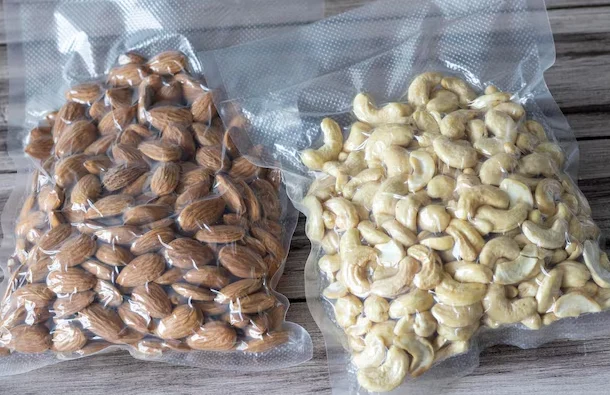
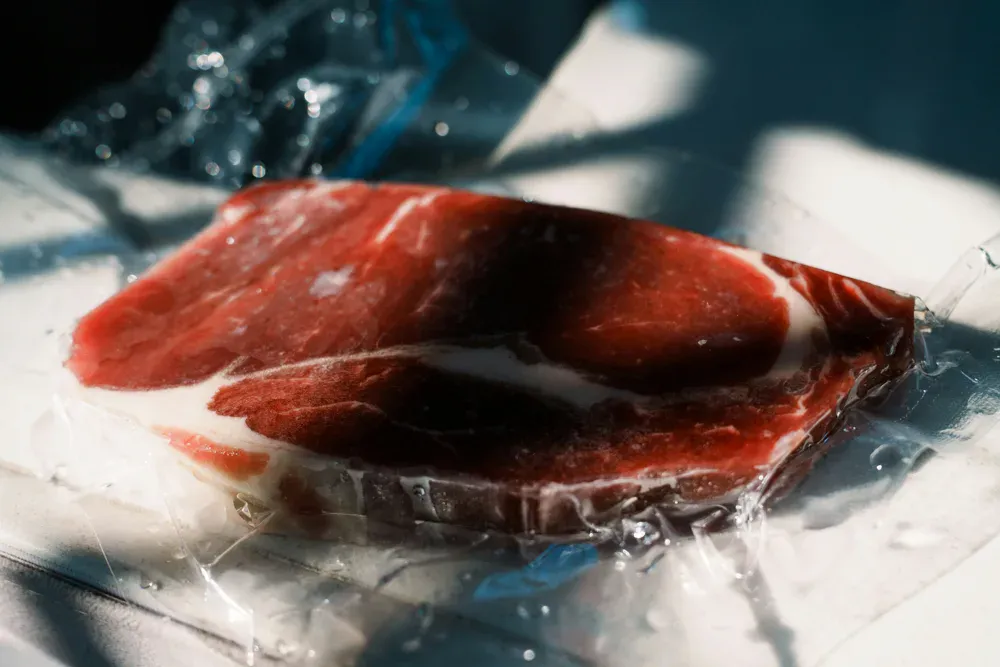
For longer shelf life, chocolates can be vacuum-packed. Removing air prevents oxidation and bloom, keeping premium chocolates fresh. Resealable pouches and stand-up bags (with zippers or clips) are growing in use. They combine plastic and foil layers to protect freshness while allowing the consumer to re-close the package. These flexible packs cater to convenience and bulk storage.
Chocolate Packaging Requirements
| No. | Requirement | Details |
|---|---|---|
| 1 | Airtightness | Prevents flavor contamination from other odors; helps retain the original aroma of chocolate. |
| 2 | Oxygen Barrier | Reduces oxidation and rancidity; milk and white chocolates are more prone due to fewer antioxidants. |
| 3 | Moisture Resistance | Prevents sugar bloom and texture changes; important in humid environments. |
| 4 | Durability | Protects against damage during transport and storage; maintains product integrity. |
Chocolate Packaging Machines
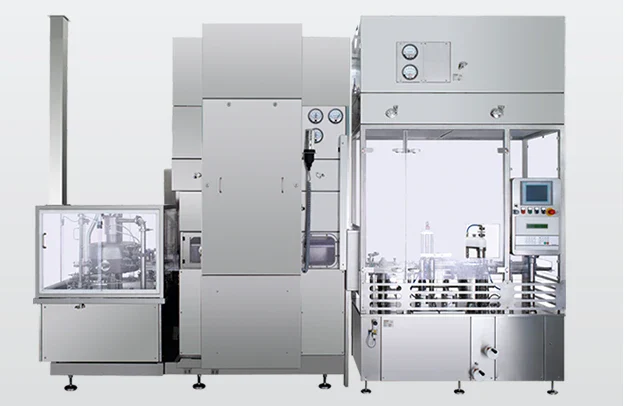
Chocolate manufacturers use specialized machines to apply these packaging types efficiently and hygienically. Common equipment includes:
Flow Wrappers
Horizontal flow-wrap machines produce pillow-pack wraps for bars and confectioneries. Molten chocolate pieces are inserted into continuous film tubes, which are then cut and sealed. High-speed flow wrappers can package thousands of bars per minute. They handle various chocolate shapes and use films like plastic/foil laminates. For example, a modern flow wrapper can wrap ~2100 small bars per minute, dramatically outpacing manual packing.
Fold Wrapping Machines
These machines (often called “folder-gluers”) wrap individual chocolates in paper, foil, or bioplastic bands. A typical fold wrapper can wrap bars or block-shaped chocolates by folding a tight envelope around them. They are ideal for products with defined edges (e.g. block chocolates or praline blocks). Premium fold wrappers can handle two layers (e.g. foil plus paper) and perform format changeovers in minutes.
Pouch and Bag Filling Machines
Vertical form-fill-seal (VFFS) or premade pouch machines fill powders (like cocoa or hot chocolate mix) and bagged snacks. In a VFFS machine, a roll of film is formed into a bag, filled with product (chocolate pieces or powder), then heat-sealed and cut. These are used for items like chocolate chips, cocoa powder, or snack-size candies in pouches. Pre-made pouch machines (horizontal or vertical) fill and seal stand-up or flat bags, often with re-closure features.
Cartoning Machines
Automatic cartoners erect cartons or trays and insert the chocolate products. Whether it’s grouping bars into a multi-pack box or placing assorted chocolates into a gift carton, cartoners ensure precise placement. They handle styles from small tuck-top boxes to display trays. These machines impart a premium finish by neatly aligning products in a box. For example, filled bar cartons and holiday chocolate assortment cartons are typically built and sealed by cartoners.
Coin Wrappers, Banding and Overwrapping Machines
For foil-wrapped chocolate coins or pralines, specialized coin wrappers tightly twist foil around individual pieces. Banding machines place a single strip (band) of decorative paper around a bar (e.g. seasonal labels). Overwrapping (cellophane wrapping) machines wrap groups of chocolates or boxes in clear film, often adding a tear strip for easy opening. These finishing machines create that final polished look on chocolate products.
Case Packers and Palletizers
Though not packaging the chocolate itself, high-capacity lines use case packers to pack chocolate boxes into corrugated cartons and palletizers to stack them for shipping. These machines automate the end-of-line process to maximize throughput.
Check Out The Video Of Yundu Packaging Chocolate
Design Strategies for Chocolate Packaging
Packaging design conveys brand and product positioning. Different design strategies include:
Luxury/Premium
High-end chocolates often use elegant materials and finishes. Rigid boxes with foil stamping, embossing, or soft-touch coatings signal luxury. For example, award-winning luxury designs (like Lindt’s special edition packaging) use subtle colors and textured surfaces to communicate quality. Soft neutral palettes and high-quality print finishes help these packages stand out as premium gifts.
Minimalist/Modern
A clean, uncluttered design with simple typography and minimal graphics communicates sophistication and purity. Many artisan or premium bars adopt white space and muted tones. Confectionery packaging trends show that “minimal, clean and simple designs” resonate with consumers seeking authenticity. Minimalist boxes may highlight a single graphic or use embossed logos to emphasize brand.
Interactive/Personalized
Brands are increasingly using technology and customization. Packaging may include QR codes or AR markers that let consumers engage via smartphones (e.g. learn about ingredients or play games). Digital printing enables personalization: some chocolatiers allow customers to add names or messages on wrappers (“personalized bar of chocolate”). Seasonal gift boxes often encourage co-creation of designs or social sharing (e.g. personalized Valentine candy boxes). These interactive designs deepen consumer engagement.
Nostalgic/Vintage
Some chocolates evoke tradition with retro-style graphics or heritage imagery. Designs might use classic fonts, sepia tones, or historical brand logos to create a nostalgic feel. This strategy appeals to emotions and brand story, often seen in anniversary or heritage editions.
Playful and Colorful
For a fun, youthful appeal (e.g. kids’ chocolates), bright colors, whimsical illustrations, and bold patterns are used. Playful designs often feature dynamic typography or cartoonish elements. Brands like Maltesers and Kit Kat employ energetic colors and images that convey fun and indulgence. Such packaging catches the eye on crowded shelves.
Transparent Windows
Many boxes or packs now include clear windows to showcase the product inside. For example, a truffle chocolate box or fudge pack might have a die-cut window revealing the chocolates. This strategy builds trust by letting customers see the quality of the contents. See-through accents are also used on boxes of mixed chocolates to hint at variety.
Packaging Trends and Regulatory
Sustainability is a leading trend in confectionery packaging. Consumers and regulators are pushing for recyclable, compostable, and reduced-plastic designs. Biodegradable or plant-based materials (kraft paper, starch-based plastics, cellulosic films) are increasingly used as alternatives to conventional plastic. For example, some chocolate brands now use wrappers made from 97% recycled paper and vegetable-based inks. Despite plastics still dominating (about 70% of chocolate wrappers are plastic), “plastic-free” claims and bio-based materials have the fastest growth among new products.
Premium Designs and Consumer-Centric Features
Premiumization and consumer engagement also shape trends. Many brands use packaging as part of a luxury experience, with minimalist high-end designs or collectible gift tins. Personalization technologies (as noted) are on the rise. Convenience features are popular too: resealable pouches and single-serve portions answer demand for on-the-go snacks. Rigid boxes for holidays (e.g. Valentine’s Day candy boxes, big boxes of chocolates) remain popular gift options, often with elaborate designs.
Compliance with Food Safety and Packaging Regulations
Regulatory considerations are essential in packaging design. Chocolate packaging must comply with food-contact safety regulations (e.g. EU Regulation EC 1935/2004) and labeling laws. This includes clear ingredient lists, nutritional facts, and allergen warnings on every package. Different regions may also mandate recycling instructions or recycling symbols. Designers ensure that fonts, symbols, and information meet local legal requirements (for example, listing nuts or milk on the label). As packaging innovations emerge, they must meet both marketing and legal standards to be valid for sale.
Recommended resources related to this article
Chocolate Packaging FAQ
Transparency is the cornerstone of our Yundu team. That’s why below, you can find the most common questions and answers we receive surrounding our chocolate packaging.
Biodegradable materials, such as cellulosic films and compostable plastics, reduce environmental impact by breaking down naturally. They offer moisture and oxygen barriers comparable to conventional plastics, helping preserve chocolate freshness while supporting sustainable branding.
A flow wrapper continuously wraps chocolates in plastic or foil laminates at high speed, often exceeding 2,000 bars per minute. This automation minimizes product handling, ensures consistent seal quality, and supports large-scale production.
Luxury finishes—foil stamping, embossing, soft-touch coatings—and clean, minimalist layouts create premium appeal. Adding interactive features like QR codes or personalized labels enhances consumer engagement and supports featured snippets.
Resealable pouches combine foil and plastic layers to maintain freshness after opening. The convenience of zip-lock closures meets on-the-go snacking trends and reduces single-use waste by keeping unused chocolate protected.
Vertical form-fill-seal (VFFS) machines are ideal for stand-up bags. They shape the film into a pouch, fill it with chocolate pieces or powders, then heat-seal the top. VFFS systems balance speed with flexible packaging design.
Transparent windows allow customers to see chocolates inside a box or pouch, boosting trust in product quality. This visual access often increases click-through in e-commerce listings and supports “chocolates in a box” search intent.
Labels must comply with food-contact safety standards (e.g. EU Regulation EC 1935/2004) and include clear ingredient lists, nutritional facts, and allergen warnings. Recycling symbols and disposal instructions are also often mandated.
Cartoning machines erect paperboard boxes, insert wrapped chocolates, and seal the cartons. This automation ensures precise product placement, uniform box closure, and integrates easily with upstream flow wrappers or coin wrappers.
Premium trends include minimalist high-end designs, collectible tins, and eco-friendly materials. Brands are leveraging personalization—“personalised bar of chocolate”—and digital printing for limited-edition Valentine’s Day candy boxes or truffle chocolate box sets.
Plastic films provide superior moisture and oxygen barriers, ideal for long shelf life, while paperboard offers structural support, printability, and eco-friendliness. Composite materials (plastic-paper laminates) combine both benefits for balanced performance.