The Ultimate Guide to Coffee Packaging

Table of Contents

The Ultimate Guide to Coffee Packaging

Introduction

Coffee packaging plays a crucial role in the supply chain, protecting beans from the roaster to the consumer. It preserves freshness, flavor and aroma by blocking oxygen, moisture and light. The right bag or container also ensures safe transport and carries brand information to customers. Every choice – from simple kraft paper to multi-layer laminated film – affects quality. Whether searching for coffee packaging, this guide explains key options and considerations.

Types of Coffee Packaging Materials

Different coffee packaging materials offer trade-offs in preservation, cost and sustainability. Common options include:

Foil and Metalized Films
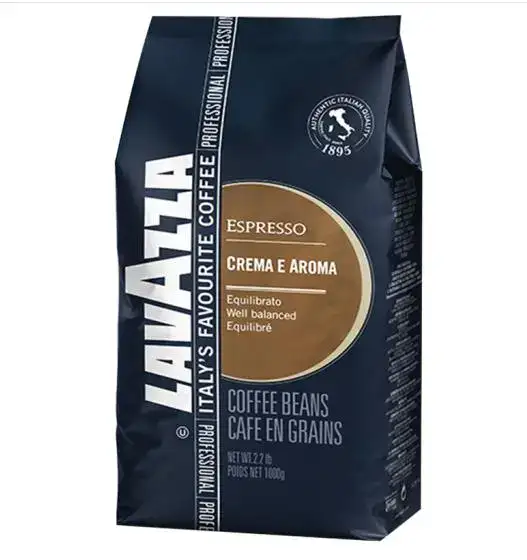
Coffee beans gusseted bag 1kg style bag

Aluminum-laminated bags give the best barrier protection. The foil layer blocks oxygen, moisture and UV, greatly extending shelf life. In fact, a high-quality vacuum-sealed aluminum pouch can keep coffee fresh for up to ~3 years. These bags often include a one-way degassing valve. The downside is cost and recyclability: foil-laminates are expensive and hard to recycle, so they’re chosen when long-term freshness is critical.

Plastic and Laminated Films

Multi-layer plastic pouches (e.g. PET/PE laminates) are lightweight, flexible and economical. High-barrier plastic blends (often with a foil or EVOH layer) offer about 6–12 months of freshness. Many have resealable zippers or tear notches. The drawback is environmental impact: conventional plastics are not biodegradable. Recyclable mono-material films or recycled-content plastics are emerging to address this.

Kraft Paper and Paper Laminates

A stand-up kraft coffee pouch.

Paper bags, especially kraft paper, are popular for their eco-friendly image. Pure kraft is biodegradable and recyclable. On its own, however, paper loses flavor quickly (often within days), so most kraft bags include an inner foil or plastic liner. A typical kraft pouch thus has paper outside and foil or plastic inside. This balances sustainability and protection. Kraft bags are generally cheaper and lighter, but they offer a shorter shelf life than foil bags.


Compostable and Bio-Based Films

Plant-based films (e.g. PLA, cellulose or starch blends) are fully compostable alternatives. These bio-films break down after disposal, but currently sacrifice some barrier performance. Compostable pouches often use multilayer structures and may require slower packaging speeds. They also tend to cost more than conventional films, so they’re chosen mainly for sustainability.

Other materials: Metal cans or glass jars provide rigid, airtight protection. Cans (aluminum/steel) are robust and block light, but are heavy and costly. Such rigid packages enhance perceived quality at a premium.

Coffee Packaging Machinery Overview

A coffee bag filling machine is any automated system that weighs coffee and fills bags. Key types include:

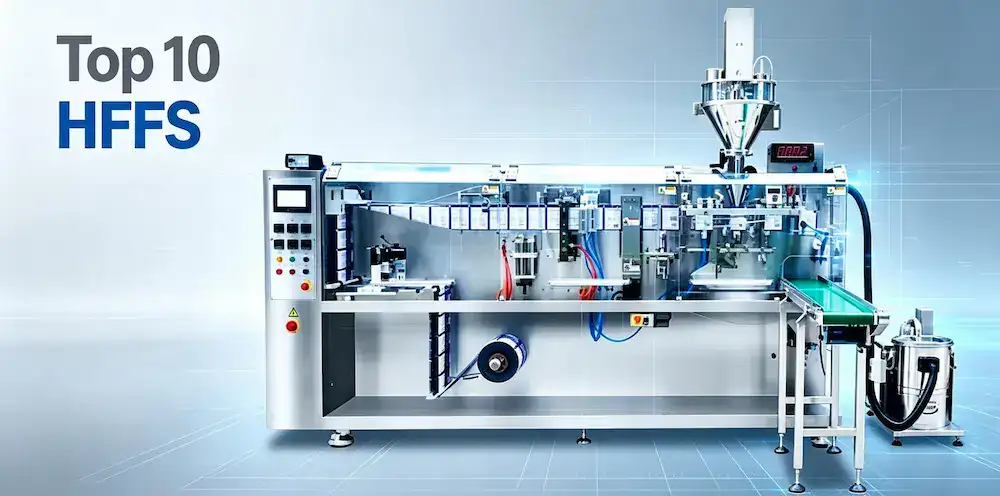
  • Vertical Form-Fill-Seal (VFFS) Machines: Form bags from a roll of film, fill them with coffee, and seal them. These continuous machines are common in coffee and can produce pillow packs, flat-bottom pouches and more at high speed.

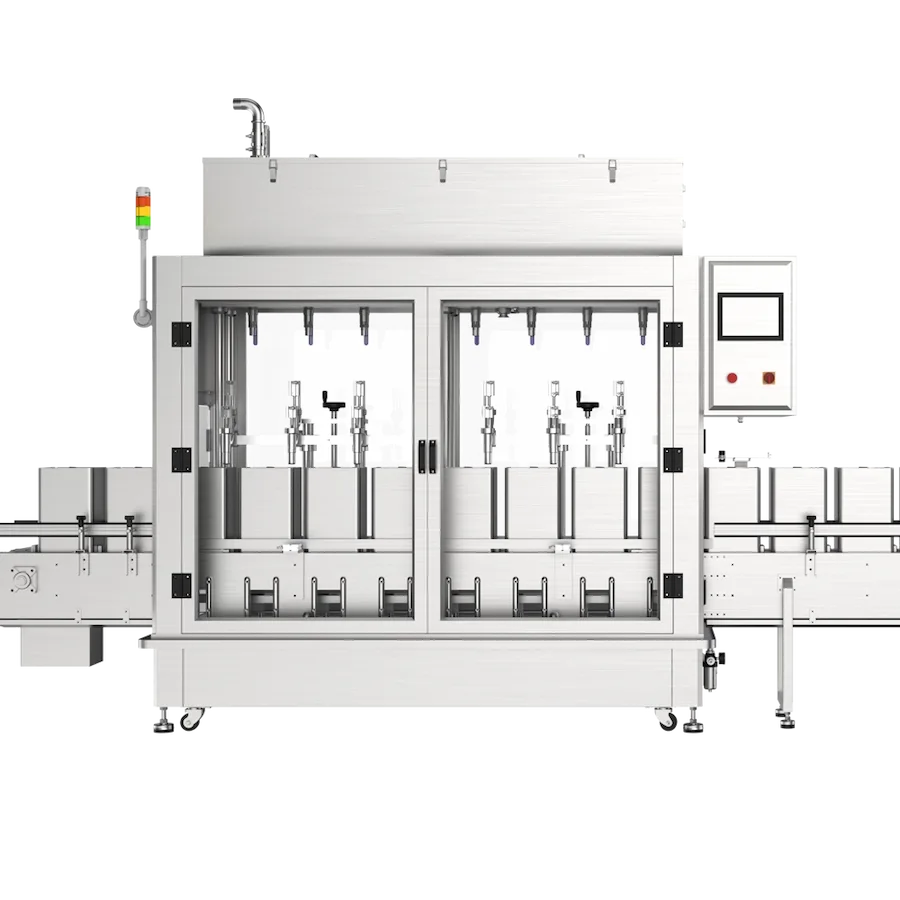
  • Premade Pouch Fillers: Use pre-formed pouches (like stand-up bags). A rotary or inline filler takes empty pouches from a hopper, opens each, fills it with coffee, and seals it. Multi-lane (duplex/quad) versions boost throughput.

Both machine types use precise dosing. Multi-head scales or auger fillers portion each bag. Modern lines often integrate freshness features, e.g. inserting a one-way degassing valve during sealing. When evaluating equipment, consider throughput, bag style compatibility, and whether the machine can add valves or vacuum/gas-flush steps.

Drip coffee bag packaging machine

Packaging Formats

Coffee is sold in many formats. Key examples include:

  • Stand-Up Pouches (Doypacks): Flexible bags with flat bottoms. These are the most popular retail format; they stand upright and offer ample space for branding and labels. Typically used for 100g–1kg sizes, they often have zippers and valves. Their shape gives more volume and stability on shelves.

  • Flat-Bottom Bags: Similar to stand-up pouches but with a rectangular base panel. Good for larger weights (e.g. 1–5kg); they fill easily with whole beans and stand well.

  • Quad-Seal/Gusset Bags: Rectangular pouches sealed on all sides or with side gussets. They pack flat when empty and box out when filled, maximizing capacity. Quad-seal bags provide a broad front for printing and stack efficiently.

  • Vacuum-Sealed Bags: For maximum freshness, coffee (often ground) can be vacuum-packed. Air is drawn out before sealing. Sealed vacuum pouches can keep coffee fresh for years. After opening, these bags are usually resealable with a zipper.

  • Tin Cans and Jars: Rigid containers with airtight lids. They provide premium protection and often come vacuum- or gas-flushed. Used for high-end coffees or large-quantity packages.

Other niche formats include single-serve stick packs and pods, which require their own filling lines. But for most coffee brands, doypacks with reseal and valves hit the sweet spot of freshness, cost and user convenience.

Labeling and Visual Design

Beyond preservation, packaging is a key marketing tool. Labels must include essential info (origin, roast date, grind, weight, ingredients) and appeal visually. Many brands favor minimalist designs with earthy or muted colors, suggesting quality and simplicity. At the same time, bold accents can help a product pop. For example, vibrant yellow coffee packaging has become trendy, as yellow conveys warmth and energy. Some brands now use bold yellow pouches with clean black text to stand out.

Interactive features are also rising. QR codes or NFC tags on labels let consumers scan to access origin stories or brewing tips. This tech builds trust and engagement.

The design should reflect your brand: premium coffees might use matte black bags with gold text, while natural/organic brands might stick to kraft bags and simple inks. Regardless, clarity is crucial – ensure all regulatory information and selling points are easily read by shoppers.

Coffee packaging bag samples

Coffee Packaging for Shipping and Storage

Proper packaging also covers safe transport and storage:

  • Green Bean Export: Unroasted beans are typically packed in large burlap (jute or sisal) sacks (~60kg). These sacks are strong and breathable. Export standards dictate using inner liners (foil or plastic) to prevent moisture damage. For example, one guide notes “coffee is shipped in sturdy jute or sisal bags… A moisture barrier lining is often included”. Palletized loads of lined sacks are secured in containers for shipping.

  • Roasted Coffee: Finished coffee (in retail bags or cans) is shipped in boxes or crates. The internal packaging itself is already sealed against the elements. Many companies vacuum-seal or nitrogen-flush large bulk packs for extra security. A logistics overview points out that common shipping containers include foil-lined bags and airtight cans to protect beans from oxygen and moisture. Ensuring an airtight seal (valves closed, no leaks) is critical so the coffee reaches customers fresh.

In short, how is coffee packaged for shipping? Bulk beans travel in lined burlap sacks, while roasted coffee ships in its retail packaging inside padded boxes. Keep finished coffee in a cool, dry warehouse – away from light, heat and humidity – until sale to maintain optimal quality.

Choosing the Best Packaging Solution

Ultimately, what is the best packaging for coffee depends on product and priorities. Key considerations include:

  • Coffee Form: Whole beans often need one-way valves to vent CO₂; ground coffee may require vacuum or inert-gas packs.

  • Volume & Scale: Small roasters might use semi-automatic baggers with pre-made pouches; large brands use automated VFFS or multi-lane fillers.

  • Shelf Life Needs: If coffee will sit on shelves for months, choose high-barrier materials. Quick-turnover blends can use simpler bags.

  • Brand & Sustainability: Eco-focused brands may accept kraft or compostable packs despite higher cost. Premium brands might opt for laminates or cans to enhance perceived quality.

  • Budget: High-grade materials and machines cost more. For example, foil pouch prices far exceed basic plastic, so choose based on your price point.

Balance all factors – freshness, branding, sustainability and cost – to find the right packaging. Many roasters test different bags and solicit feedback. The goal is to preserve aroma while matching your business model.

Material Shelf Life Sustainability Cost Machinability
Foil-Laminated ~6–12+ months (sealed) Low (hard to recycle) High Excellent (fast production)
Plastic Laminate ~6–12 months Low (conventional plastic) Low Excellent (industry standard)
Kraft Paper (lined) Weeks–months (days without liner) High (recyclable) Medium Good (requires heat sealing)
Compostable Film ~6–12 months (if high-barrier) High (compostable) High Moderate (often slower lines)
Note: These values are typical ranges. Actual performance varies with film formulation, presence of a valve, and storage conditions.

Conclusion

In coffee packaging, every detail matters for freshness and brand impact. The right material (foil, plastic, kraft or compostable) and format (pouch, vacuum pack, tin) depends on roast profile, distribution and budget. Modern coffee bag filling machines – like vertical form-fill-seal lines or rotary pouch fillers – enable precise, high-speed production. Eye-catching design trends (from minimalist kraft labels to bright coffee yellow packaging) and interactive labels (QR codes linking to origin stories) help products stand out. By understanding each material’s trade-offs and choosing appropriate machinery, coffee businesses can ensure every cup tastes as fresh as the day it was packed.

Coffee Packaging FAQ

Transparency is the cornerstone of our Yundu team. That’s why below, you can find the most common questions and answers we receive surrounding our coffee packaging.

The best packaging balances freshness, cost, and sustainability. High‐barrier foil‐laminated pouches with one‐way valves offer up to 12 months’ shelf life, while kraft paper with inner liners appeals to eco‐friendly brands.

Green beans ship in lined jute or sisal sacks (~60 kg) with moisture‐barrier liners. Roasted coffee leaves the roastery in sealed retail bags inside corrugated boxes or crates, often vacuum‐ or nitrogen‐flushed.

  • Foil‐laminated films: Excellent barrier, high cost, low recyclability.
  • Plastic laminates: Economical, moderate barrier, low recyclability.
  • Kraft paper (lined): Eco‐friendly look, shorter shelf life.
  • Compostable films: Sustainable, currently lower barrier.

It’s an automated system that weighs and dispenses coffee into bags. Types include vertical form‐fill‐seal (VFFS) and premade pouch fillers, often with degassing valve insertion and resealable zipper attachments.

Yes. By removing air before sealing, vacuum‐sealed bags prevent oxidation and can extend freshness for up to several years, especially when paired with high‐barrier materials.

Bright yellow pouches attract attention on shelves and convey warmth and energy. Combined with minimalist typography, they enhance shelf‐presence and brand recognition.

Yes. Bio‐based films (PLA, cellulose) are fully compostable and meet eco‐friendly goals. However, they may require slower packaging speeds and offer slightly lower barrier performance.

Standard multi‐layer plastic laminates maintain freshness for 6–12 months, depending on thickness and presence of a one‐way degassing valve.

It refers to all retail and bulk formats—bags, cans, jars, sacks—designed to preserve aroma, flavor, and shelf life while providing convenience and branding space.

Consider roast type (whole vs. ground), expected shelf life, budget, sustainability goals, and desired bag format. Pilot small runs with different materials to gauge cost and customer feedback.

Share The Post Now:
Picture of Hey there, I’m Daisy

Hey there, I’m Daisy

I’m the Sales manager of Yundu. We have been helping manufacturing industries increase their productivity and capacity with our advanced filling machines for over 20 years.
Have questions? Reach out to us, and we will provide you with a perfect solution.

Related Articles

Get Instant Quote

If you’d prefer, a representative from Yundu can contact you directly. Please provide the information below and a member of our sales team will contact you shortly. * fields are required.