How to Start a Snack Business: The Ultimate Guide

Table of Contents

How to Start a Snack Business: The Ultimate Guide

Are you ready to tap into America’s snack obsession? Starting a snack business can be lucrative, but it has challenges (heavy competition, food regulations, product development costs). In this ultimate guide, we’ll address those pain points and show you how to succeed. You’ll learn step-by-step how to analyze the market, develop recipes, comply with laws, brand and package your product, and find sales channels. We include current snack market stats (for example, the global savory snacks market projected to reach $288.2 billion in 2025) and the latest trends (health-focused options, bold new flavors) so your snack business can stand out and thrive.

Why Start a Packaged Snack Business?

The snack industry is enormous and still growing. Many Americans snack multiple times a day – about 71% eat a snack at least twice daily – and more than half even eat snacks at breakfast, lunch, or dinner. The global snack market for savory snacks is projected to reach $288.2 billion in 2025 (Source: Savory Snacks Market Size & Share, Forecasts Report 2025-2034 – GMI Insights), with the U.S. healthy snacks market around $32.64 billion in 2024 (Source: Healthy Snacks Market Size to Hit USD 185.40 Billion By 2034 – Precedence Research). These figures underline the scale of opportunity for new snack brands.

Global salty snacks market size in 2025 compared to the U.S. healthy snacks market size in 2024.

Savvy entrepreneurs can capitalize on key trends. Consumers increasingly want healthier snacks – for example, protein-rich and natural-ingredient options are surging. At the same time, bold and ethnic flavors are in demand, and nostalgic treats remain popular. (For example, Gen Z snackers love sweet childhood flavors while still seeking clean-label ingredients.) A large share of snacks is sold in supermarkets: about 43% of global snack sales are through supermarkets and hypermarkets, with convenience stores and online also growing.

Key Advantages

  • Consistent Demand & Growth: People snack frequently, so once they like your product, they’ll buy it again. The global savory snack industry is projected to grow at a CAGR of 5.7% from 2025 to 2034 (Source: Savory Snacks Market Opportunity, Growth Drivers, Industry Trend Analysis, and Forecast 2025-2034 – Research and Markets).
  • Health & Trend Opportunities: More consumers want “better-for-you” snacks (organic, protein, plant-based). Bold flavors and niche diets (gluten-free, keto) open new markets. The healthy snacks market is expected to grow at a CAGR of 6.2% from 2025 to 2034 (Source: Healthy Snacks Market Size & Share, Growth Report 2025-2034 – GMI Insights).
  • Multiple Sales Channels: Packaged snacks sell in grocery stores, online, vending machines, or at local markets/events. You’re not limited to one sales outlet.
  • Profit Potential: Packaged foods often yield solid profit margins. Specialty or premium snacks can command higher prices, and repeat purchases ensure steady revenue.
Compound Annual Growth Rate (CAGR) of the Global Salty Snacks Industry and Healthy Snacks Market from 2025 to 2034.

In short, with a large market and evolving consumer tastes, a packaged snack venture can be a smart, profitable move.

Step-by-Step Guide to Launching Your Snack Business

Step 1: Market Research

Check local “snack places near me” (Google) and visit stores to gauge competition and trends. Identify your target customer and the snacks they prefer (chips, bars, nuts, etc.). Use market data and surveys to confirm which categories (e.g. salty vs. sweet) and price points sell well. Also monitor social media reviews to see what fans love or hate about current snacks, so you can spot a gap your product could fill.

Step 2: Product Development

Decide what snacks you want to sell and why they’ll stand out. Develop recipes with unique flavors or better ingredients (for example, organic or extra protein). Test small batches with friends or at farmers markets to refine taste, texture, and portion size. Refine the recipe until your snack consistently receives positive feedback.

Step 3: Business & Legal Setup

Write a clear business plan covering your concept, costs, and projected sales. Register your business and obtain required licenses (e.g. FDA food facility registration, local health permits, food safety certifications). Ensure your product labels comply with regulations: include nutrition facts, ingredient lists, and allergy warnings. Research any specific requirements if you plan to sell online or in other states/countries.

Step 4: Branding and Packaging

Create a compelling brand identity. Pick a memorable name and design a logo. Plan your package design with eye-catching colors and clear information. Good packaging should communicate the snack’s story or benefits (such as “gluten-free” or “made with real fruit”). Consider using sustainable or minimal packaging, since many customers prefer eco-friendly options.

Step 5: Sourcing Ingredients & Equipment

Find reliable suppliers for bulk ingredients (grains, oils, spices) and packaging materials (bags, pouches, labels). Order small test quantities first to check quality, then negotiate better prices for larger orders. If producing in-house, purchase or lease equipment that fits your volume (mixers, ovens or fryers, weighing scales). You can start with smaller semi-automatic machines to save cost. Leasing used equipment can also be an option initially.

Step 6: Production & Packaging

Choose whether to produce snacks in-house or hire a co-packing facility. For in-house production, set up a certified commercial kitchen and follow strict hygiene (clean machines, use gloves/hairnets). Make careful records of each recipe batch for consistency. Ensure you test your product’s shelf life. Portion and fill each snack into your chosen packaging using scales or fillers, then seal it. Label each package with a batch code or date for traceability.

Step 7: Marketing

Build brand awareness through marketing. Develop a website and social profiles to showcase your snacks (post appetizing photos and share your story). Use SEO keywords like “snack business” and “snacks for sale,” and ensure your brand shows up in local searches (so people searching “snack places near me” find you). Offer samples at local fairs or markets to get feedback and word-of-mouth buzz. Collaborate with local influencers or food bloggers to reach a wider audience.

Step 8: Sales & Distribution

Get your snacks onto shelves and into customers’ hands. Pitch your product to local grocery stores, health shops, or cafes. Attend food trade shows or join distributor networks. Also sell directly to consumers: set up your own e-commerce site or sell on platforms like Amazon or Etsy. Use attractive offers (bundles, trial packs) to entice first-time buyers. Set your price to cover costs and profit – remember that ingredient and packaging costs have risen recently, so factor that in.

Step 9: Scale Up

As sales grow, reinvest to expand. Upgrade to faster mixers or automated fillers to increase capacity. Introduce new flavors or limited-edition varieties to keep customers interested. Train or hire staff to help with production and distribution. Continuously analyze sales data and customer feedback to refine your strategy. By staying flexible and customer-focused, you can continue growing in the evolving snack market.

Packaging Machines for Small Snack Businesses

VFFS (Vertical Form-Fill-Seal)

Ideal for dry snacks like chips or nuts. The machine forms and seals bags automatically, then fills them with product. These machines are efficient and relatively affordable for small batches.

Automatic-Packaging-Line-With-Combination-Scale-vffs

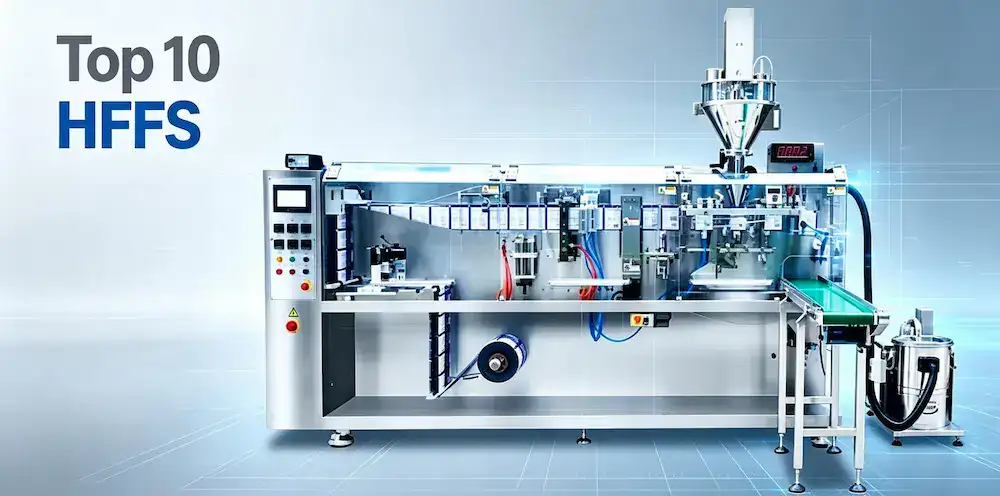
HFFS (Horizontal Form-Fill-Seal)

Used for pillow-pack style bags or individual wrappers (good for bars or cookies). HFFS machines pack faster and allow varied bag shapes and features.

HFFS Pouch machine180/240SD

Vacuum Sealers

These remove air from the package before sealing. Useful for nuts, jerky, or other snacks where extended shelf life matters.

Flow Wrappers/Tray Sealers

Good for wrapping individual bars or sealing snack trays. These machines can handle small items individually for boutique products.

Automation Levels

Packaging equipment ranges from manual (cheapest) to fully automatic lines. Many small businesses start with semi-automatic machines and upgrade as volume increases. Choose a machine that fits your production speed and budget.

Snack Bar Bag Packaging Machine Video

Conclusion

The snack industry is large and growing, and with careful planning you can tap into this demand. Follow the steps above – research, product development, licensing, quality production, and smart marketing – to build a solid operation. Emphasize fresh ingredients and unique flavors to stand out, since consumers will pay a premium for quality. Remember that costs have risen (ingredient and packaging inflation), so set your prices and volumes wisely. With dedication and innovation, your snack business can thrive in this expanding market.

Start a Snack Business FAQ

Transparency is the cornerstone of our Yundu team. That’s why below, you can find the most common questions and answers we receive surrounding our snack business.

Yes. The snack industry is large (global market ~$1.22T) and growing, so demand is strong. Profitability depends on good recipes, cost control, and marketing. With a unique product and efficient operations, many snack startups achieve healthy margins.

Research your market and competition first. Decide what kind of snack(s) to sell and develop recipes (test at markets or online). Then create a business plan, register your company, and get necessary food licenses. Brand and package your product attractively. Finally, set up production (in-house or co-packer) and begin marketing and sales.

Savory snacks (chips, pretzels, nuts) and portable, healthy options are popular. In the U.S., potato-based snacks are #1, followed by popcorn, nuts & seeds, and corn-based snacks. Health-conscious consumers also demand protein bars, low-sugar granola, and plant-based snacks. Trendy flavors (spicy, global spices, caramel) can boost demand.

Shelf-stable snacks with broad appeal are easiest. Think crackers, kettle corn, trail mix, nut mixes, or pre-packaged cookies/bars. These require simple production and store well. They have consistent demand and can be made/ordered at small scale, making it straightforward to start selling and earning revenue.

Spicy snacks and indulgent twists on classics are trending. Items like chili-lime chips, seasoned popcorn, and mini churros have seen growth. Healthy snacks with bold flavors (such as protein chips, quinoa chips) are also hot. Keep an eye on flavor fusions and limited-edition releases, which often go viral.

Gen Z snacks combine fun flavors with health. They enjoy sweet, colorful treats (nostalgic childhood flavors) but prefer cleaner ingredients. For example, bite-size churros or Icee drinks with familiar candy flavors have surprised the market. Functional snacks (high-protein, vitamin-fortified) and sustainable packaging are also popular with Gen Z.

Bold global and comfort flavors are on the rise. Expect more spicy (jalapeño, harissa), smoky (barbecue, bacon), and fusion tastes (sriracha honey, kimchi chips). Sweet-savory combos (caramel & chili, chocolate & sea salt) and nostalgic flavors (pumpkin spice, retro candy) will grow. Clean-label ingredients with authentic spices are key.

Steady growth is expected. Global snack sales are projected to exceed $1.5T by 2030. Consumers will continue snacking for convenience and wellness. We’ll see more plant-based and functional snacks, eco-friendly packaging, and personalized nutrition (e.g. snacks tailored by diet). Online sales and subscription models will also expand. Overall, strong demand and innovation mean a positive outlook.

PepsiCo (especially its Frito-Lay division) is often cited as the largest snack manufacturer globally, thanks to brands like Lay’s, Doritos, and Cheetos. Other major snack giants include Nestlé (KitKat, Nature Valley), Mondelez (Oreo, Cadbury), and Kellogg’s (Pringles, Special K bars). These companies dominate the snack aisle with extensive product portfolios.

Multiple factors drive up snack prices. Inflation has raised costs for ingredients and transportation, and supply chain issues (like poor harvests) add pressure. Packaging and marketing expenses also play a role. Additionally, many companies use “shrinkflation” (smaller package sizes at similar prices) so the per-ounce cost rises. All this means consumers pay more for the same snacks than before.

Share The Post Now:
Picture of Hey there, I’m Daisy

Hey there, I’m Daisy

I’m the Sales manager of Yundu. We have been helping manufacturing industries increase their productivity and capacity with our advanced filling machines for over 20 years.
Have questions? Reach out to us, and we will provide you with a perfect solution.

Related Articles

Get Instant Quote

If you’d prefer, a representative from Yundu can contact you directly. Please provide the information below and a member of our sales team will contact you shortly. * fields are required.