 English
 Arabic
 Indonesian
 Vietnamese
 Malay
 Thai
 Korean
 Russian
 French
 Italian
 Japanese
 Portuguese
 Turkish
 Spanish
The modern sports and fitness industry is expanding at a staggering pace. From elite marathon runners consuming precise doses of nutrients mid-race to everyday gym-goers relying on post-workout recovery shakes, the demand for innovative, high-performance packaging has never been higher. Modern consumers expect convenience, leak-proof integrity, and precise portion control. To meet these rigorous demands, manufacturers are increasingly turning to advanced HFFS technology.

By utilizing state-of-the-art horizontal form fill and seal machines, packaging lines achieve unprecedented speed, aesthetic appeal, and material efficiency. This article explores how horizontal packaging transforms the sports products landscape, covering operational mechanics, diverse sector applications, a detailed comparison with vertical systems, operational guidelines, and expert industry insights.
How does an HFFS machine work?
Understanding the inner workings of horizontal packaging equipment helps brands appreciate its precision. Unlike vertical setups, HFFS systems feed roll stock film horizontally through a series of synchronized mechanical stations.

The process begins at the unwinder, where the roll film is pulled smoothly into the machine. The film is then guided through a forming plow or collar, which folds the material into a specific shape—such as a flat sachet, a 3-side seal pouch, a 4-side seal packet, or a stand-up doypack with optional zippers and spouts.
Once the film is formed and the bottom or side seals are locked in by heat-sealing jaws, the open pouch moves horizontally along a conveyor or intermittent rotary index table. At the filling station, precision dosing systems—ranging from piston pumps for liquids and auger fillers for powders to multi-head weighers for granules—dispense the exact product volume into each pouch without contaminating the sealing edges.
Finally, the top seal is applied under controlled pressure and temperature, and the individual packets are cut, separated, and discharged for secondary packaging. This continuous horizontal motion ensures minimal product spillage, making it ideal for fragile goods, viscous gels, and fine powders.
The extensive application of HFFS machines in the sports sector
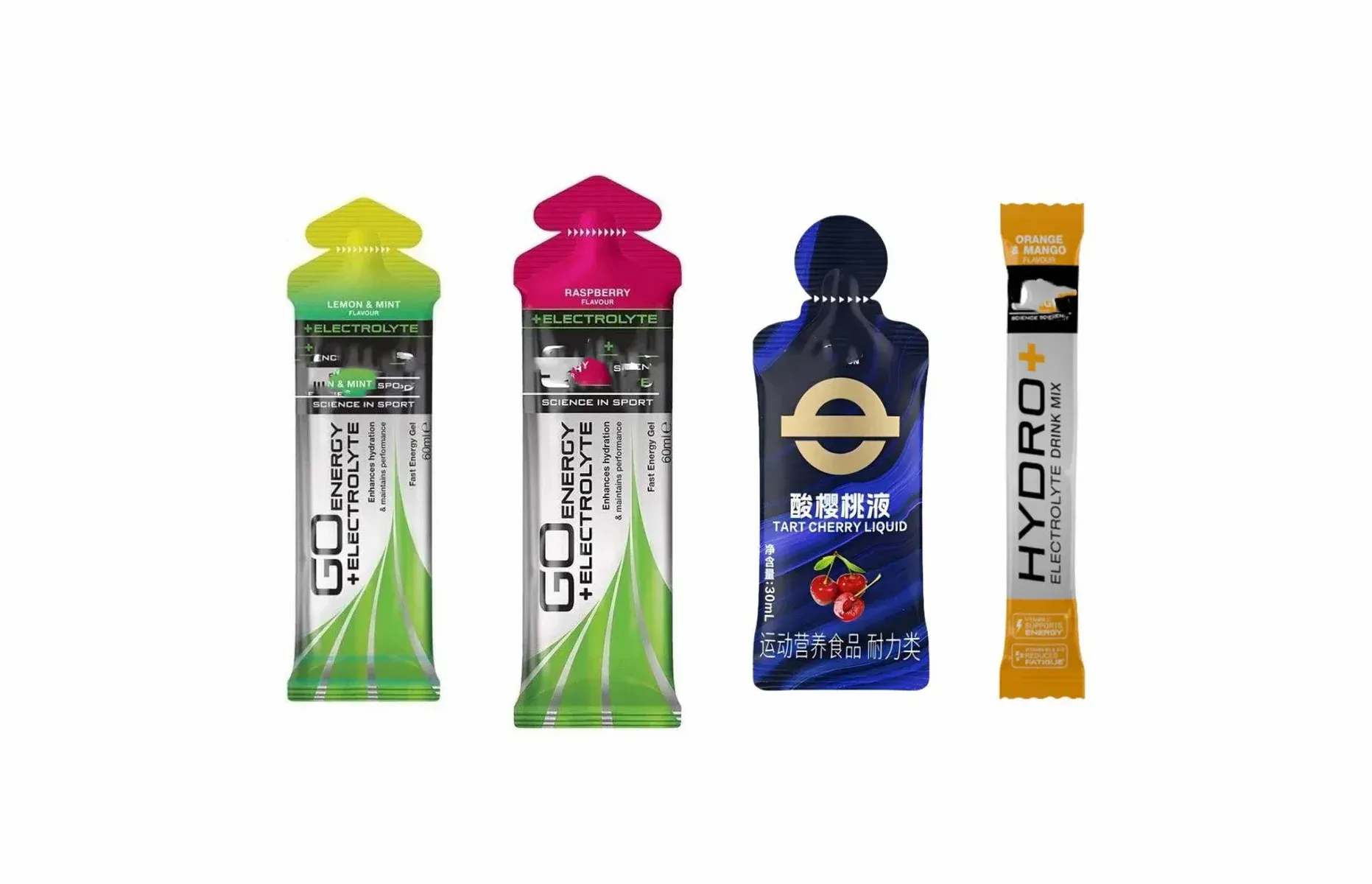
The versatility of horizontal packaging systems allows them to adapt seamlessly to a wide spectrum of athletic and fitness merchandise. The application of HFFS packaging in sports supplements and active lifestyle goods covers several major categories:
1. Sports Nutrition Powders and Liquids
Athletes rely heavily on macro-nutrients, protein blends, and pre-workout formulas. Horizontal packaging creates secure, moisture-tight sachets and single-serving stick packs that preserve powder freshness, prevent clumping, and withstand the rigors of transport in gym bags. Liquid concentrates and ready-to-drink functional formulas are also efficiently packed using specialized liquid dosing pumps.
2. Energy Foods and Specialized Gel Packouts
During endurance events like marathons, cycling tours, and triathlons, athletes need instant energy bursts. Energy gel HFFS packaging provides tear-notched, ergonomic, and easy-to-squeeze sachets that runners can open with one hand while on the move. Similarly, electrolyte HFFS packaging ensures that vital mineral salts and hydration powders remain protected from humidity and UV light until consumption.
3. Sports Hygiene Products
Maintaining hygiene is vital for athletes on the go. HFFS lines package individual wet wipes, cooling towels, anti-chafing balms, and hand sanitizers in durable, portable, single-use sachets that fit easily into pockets or wristbands.
4. Sports Protective Gear and Consumables
Beyond consumables, athletic brands package small consumables and protective gear components—such as kinesiology tape strips, blister care plasters, athletic gel pads, and small hardware accessories—using protective flat pouches that guarantee sterility and scratch resistance.
5. Pet Sports Nutrition
The active pet market is booming, with agility dogs and running companions requiring specialized joint supplements, energy chews, and hydration additives. Horizontal machines package these functional pet health items efficiently, maintaining strict food-safety standards.
HFFS vs. VFFS Systems: A Comprehensive Comparison

When designing a packaging line, manufacturers often weigh horizontal systems against vertical alternatives. To understand how these systems compare, we look closely at their structural mechanics, operational speeds, and ideal use cases.
HFFS Systems: Precision, Versatility, and Premium Presentation

Accounting for the core of advanced pouch engineering, horizontal form fill and seal machines dominate premium packaging lines. Because the pouches move horizontally, products enter from above into an already stable, open pouch configuration. This eliminates the risk of product drop scatter and makes horizontal systems unbeatable for complex packaging designs.
HFFS lines excel at creating sophisticated formats like stand-up doypacks, zipper pouches, shaped die-cut packets, and spouted liquid containers. They handle delicate items, high-viscosity gels, and multi-component products with exceptional accuracy. Furthermore, horizontal conveyance allows for gentle handling, reducing product degradation and ensuring pristine seal aesthetics that stand out on retail shelves.
VFFS Systems: High-Speed Gravity Packaging

Vertical Form Fill and Seal (VFFS) systems form bags by pulling film vertically downward around a forming tube, creating a vertical seal and a bottom seal, filling the product via gravity drop, and sealing the top.
VFFS machines are exceptionally fast, highly space-efficient, and cost-effective for standard pillow bags, quad-seal bags, and basic block-bottom bags filled with free-flowing granules, snacks, or bulk powders. However, they lack the horizontal stability required for complex spouts, intricate custom shapes, or delicate viscous pastes, making them better suited for bulk commodity packaging rather than premium sports nutrition formats.
System Integration and Hybrid Processing
The remaining operational spectrum involves auxiliary feeding integration, coding systems, and quality control checks (such as metal detection and weight sorting) that complement both machine types to guarantee strict compliance with industry standards.
Which industries use HFFS machines?
While the sports sector benefits immensely from horizontal packaging, the technology spans multiple global industries due to its unmatched flexibility:
Food and Beverage: Packaging sauces, dressings, instant coffee, baby food purees, snacks, and confectionery items.
Pharmaceuticals: Encapsulating pills, medical powders, transdermal patches, diagnostic test kits, and sterile single-dose wipes.
Cosmetics and Personal Care: Dispensing facial creams, lotions, hair treatments, shampoo samples, and sheet masks.
Chemical and Household Goods: Packaging laundry detergent pods, cleaning powders, and chemical reagents in secure, child-resistant barrier pouches.
How to operate an HFFS machine?
Operating a horizontal packaging system requires technical precision and adherence to standard safety protocols:
Pre-Operation Inspection: Check electrical connections, pneumatic pressure levels, and temperature controllers on the sealing jaws. Ensure the correct film roll is mounted on the unwinder.
Film Threading: Guide the roll film through the tension rollers, guide tracks, and forming plow according to the machine’s threading diagram.
Parameter Configuration: Use the touch-screen PLC interface to input pouch dimensions, sealing temperatures, fill volumes, and operating speeds. Calibrate the dosing pumps or auger fillers based on product density.
Trial Run: Execute a dry cycle to verify pouch formation, tracking alignment, and sensor synchronization. Introduce product samples to test seal integrity and fill accuracy.
Mass Production & Monitoring: Initiate full-scale operation while continuously monitoring seal quality, film tension, and output rate. Perform regular maintenance checks to ensure longevity.
Product Comparison Table
| Machine Feature | Horizontal Form Fill and Seal (HFFS) | Vertical Form Fill and Seal (VFFS) |
| Orientation & Motion | Horizontal continuous or intermittent rotary | Vertical gravitational drop |
| Primary Pouch Styles | Stand-up doypack, spouted pouch, zipper pouch, flat sachet | Pillow bag, stick pack, block-bottom bag |
| Ideal Products | Viscous gels, liquids, powders, delicate items, premium shapes | Free-flowing granules, bulk snacks, standard powders |
| Footprint & Space | Wider footprint, highly modular station layout | Vertical footprint, space-saving height |
| Customization Potential | Extremely high (zippers, spouts, die-cuts) | Moderate (standard sealing and hole punching) |
Professional Insights from Our Sales Manager
“In today’s hyper-competitive sports nutrition market, packaging is the silent salesperson. Brands cannot afford leaking energy gels or stale protein powders. Our engineering focus with horizontal form fill and seal systems has always centered on modular flexibility and airtight reliability. Whether a client is scaling up electrolyte packets or launching a novel liquid endurance formula, our advanced servo-driven HFFS lines deliver rapid changeovers, reduced material waste, and flawless aesthetic presentation that resonates with athletes worldwide.”
— Global Sales Director, Advanced Packaging Solutions
Conclusion
The integration of advanced horizontal packaging technology into the sports products sector marks a major leap forward in brand presentation, product preservation, and user convenience.
By mastering the mechanics of HFFS equipment, manufacturers can easily diversify into powders, liquids, energy gels, and protective fitness accessories. As consumer expectations continue to evolve, investing in robust, versatile roll-fed packaging systems remains the ultimate strategy for industry leaders aiming to secure a competitive edge.
Beyond basic pouch filling and sealing, Yundu can provide complete, custom-tailored packaging lines designed to fit your specific production process.
If your sports nutrition products require secondary packaging—such as cartoning, case packing, or palletizing—our engineering team can seamlessly integrate automated end-of-line equipment with our horizontal form-fill-seal (HFFS) machines, maximizing production line efficiency while minimizing the need for manual labor.
4. Expanding Packaging Lines: Integrating a Syringe Filling Machine

Diversification drives business growth in the modern medical and cosmetic packaging landscape. Many facilities that invest in a vial filling machine also look to expand their portfolios into pre-filled syringes. A syringe filling machine addresses the booming demand for pre-measured injectables, aesthetic fillers, and clinical trial samples.
The Role of Syringe Filling Technology in Modern Packaging
A high-performance syringe filling machine operates on principles similar to vial packaging but focuses heavily on nested tubs, precise plunger insertion, and needle protection. Because syringes often contain high-value biological formulations, vaccines, or hyaluronic acid gels, precision dosing is non-negotiable.
Key Synergies Between Vials and Syringes
Shared Quality Standards: Both systems demand strict adherence to cleanroom ergonomics, drip prevention, and bubble-free dispensing.
Component Versatility: Contract manufacturers often utilize modular production floors where operators can switch between a pharmaceutical filling machine configured for vials and a specialized syringe filling machine depending on client orders.
Advanced Dosing Precision: Just as advanced vial equipment uses servo-driven pumps, modern syringe lines utilize linear or rotary micro-pumps to ensure exact micro-liters of fluid delivery.
Traceability and Inspection: Both machine types integrate advanced vision systems and data logging to comply with global regulatory standards.
By incorporating a syringe filling machine alongside your primary automatic vial filling machine, your facility unlocks multi-industry capabilities, servicing both traditional vial-based markets and advanced pre-filled syringe sectors.
5. Sales Manager’s Professional Insight: Choosing the Right Equipment
“When clients approach us for a medium-speed setup, they often focus solely on the initial output rate. However, our engineering philosophy at Yundu emphasizes long-term reliability, ease of maintenance, and fluid versatility,” shares our Senior Sales Director.
“For instance, our DHGX12L model integrates automatic bottle sorting, filling, rubber stopper placement, and cap rolling into a single compact station. By utilizing Siemens control systems and Keyence sensors, we eliminate common bottlenecks like bottle jamming or inaccurate dosing. When partnering with reputable vial filling machine manufacturers, buyers should always inspect the quality of internal pneumatic components, drive motors, and whether the system supports quick-change parts for different bottle diameters. That flexibility determines your true return on investment.”
6. Conclusion
Selecting the right packaging hardware transforms your production efficiency. Whether you manage a cosmetic line requiring an agile vial filling machine, a robust Vial Capping Machine, or seek to expand with a state-of-the-art syringe filling machine, quality engineering remains paramount. Brands like Yundu provide reliable, customizable solutions designed for modern manufacturing challenges. Evaluate your viscosity requirements, speed targets, and footprint constraints to make an informed investment today.