 English
 Arabic
 Indonesian
 Vietnamese
 Malay
 Thai
 Korean
 Russian
 French
 Italian
 Japanese
 Portuguese
 Turkish
 Spanish
Introduction: Navigating the World of Liquid Packaging
Modern pharmaceutical, cosmetic, and chemical industries demand precision, speed, and reliability. When you manage a packaging line, choosing the right equipment dictates your overall operational efficiency. You look for machinery that minimizes waste, handles various fluid viscosities, and maintains high precision.

Among various packaging systems, the vial filling machine stands out as a crucial asset. Whether you package oral liquids, essential oils, serums, or topical formulations, a reliable setup ensures product integrity.
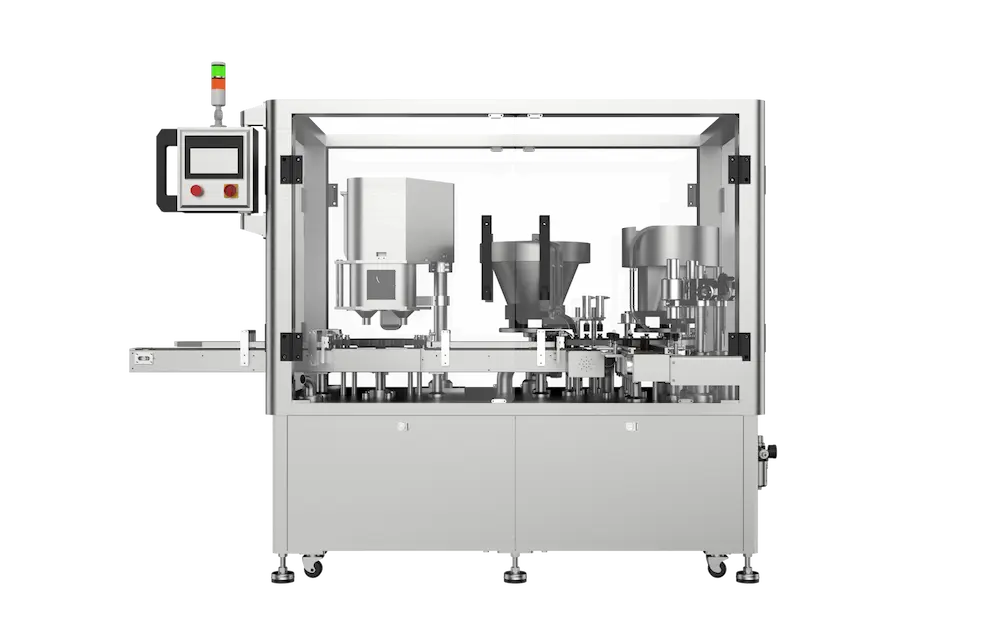 This guide explores non-sterile production lines operating at medium speeds (20 to 50 vials per minute, while referencing advanced compact capabilities up to 80-100 ppm like Yundu’s DHGX12L), explores top-tier equipment features, and examines how a syringe filling machine complements your production floor.
1. Understanding Non-Sterile Vial Filling and Capping Machines
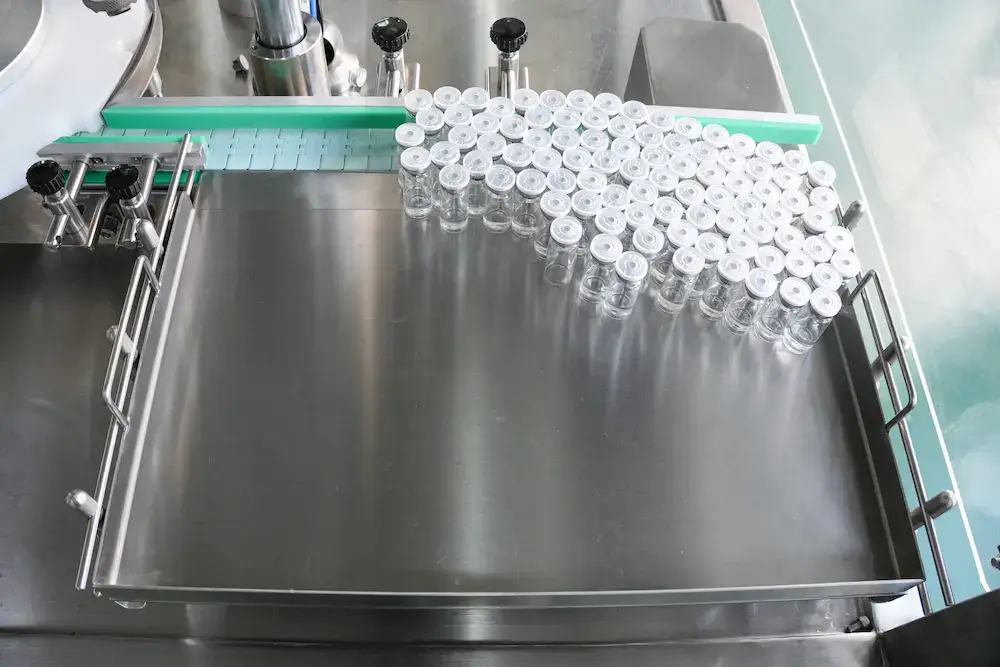
Non-sterile liquid lines serve vast commercial markets, including cosmetic serums, nutritional supplements, and low-risk pharmaceutical oral solutions. While these applications bypass the extreme sterilization burdens of aseptic injectables, they still require strict volumetric precision and sanitary construction.
An automatic vial filling machine handles the core dispensing phase, while a synchronized Vial Capping Machine ensures an airtight seal. Together, they form a monoblock or linked system that streamlines production.
Why Material and Design Matter?
In non-sterile environments, equipment must resist corrosion and chemical wear. Top-tier machines utilize 304 or 316L stainless steel for all product-contact surfaces. For instance, Yundu’s DHGX12L employs Honsimba 304 stainless steel structures, offering a compact footprint, easy cleaning, and robust durability.
2. The Power of Medium Speeds: 20 to 50 Vials Per Minute

High-speed rotary lines dominate massive pharmaceutical corporations, but small and medium-sized enterprises (SMEs) thrive on flexibility. A medium speed ranging from 20 to 50 bottles per minute (or scalable up to 80 ppm for versatile batch sizes) hits the sweet spot for many contract manufacturers and boutique brands.
Benefits of Medium-Speed Operations
Rapid Changeovers: Shorter downtime between different bottle sizes or product formulations.
Lower Capital Investment: High affordability without sacrificing core automated features.
Reduced Product Waste: Precise dosing minimizes expensive active ingredients loss during setup.
Space Efficiency: Compact layouts fit easily into smaller cleanrooms or standard workshop floors.
3. Core Technologies inside an Automatic Vial Filling Machine
Modern engineering transforms basic liquid dispensing into a highly intelligent process. When evaluating vial filling machine manufacturers, you must examine the internal pumping systems, sensor integration, and automation controls.
Pump Selection and Viscosity Handling
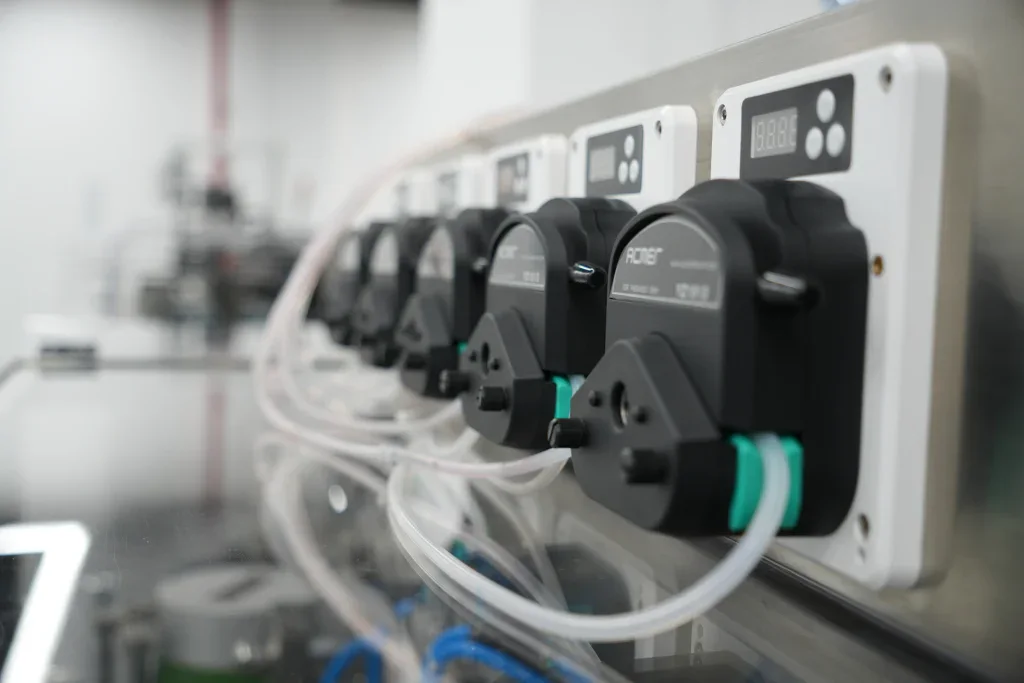
Different liquids require distinct pumping mechanisms.
Peristaltic Pumps: Driven by stepper motors, these pumps offer clean fluid paths where the liquid only contacts the tubing, making cleanup effortless.
Magnetic Pumps: Powered by servo motors, these deliver excellent control and accommodate drip-proof filling heads.
Ceramic Pumps: Known for mechanical precision, ideal for specific low-viscosity solutions.
Smart Sensors and PLC Control
Reliable automation relies on high-end electrical components. Leading machines integrate Siemens PLCs and touchscreen human-machine interfaces (HMIs) for intuitive operation. Keyence optical sensors manage precise bottle positioning, while Honeywell switches safeguard mechanical movements. Inovance servo motors drive high-precision indexing and filling actions, preventing misalignments and jammed containers.
4. Expanding Packaging Lines: Integrating a Syringe Filling Machine

Diversification drives business growth in the modern medical and cosmetic packaging landscape. Many facilities that invest in a vial filling machine also look to expand their portfolios into pre-filled syringes. A syringe filling machine addresses the booming demand for pre-measured injectables, aesthetic fillers, and clinical trial samples.
The Role of Syringe Filling Technology in Modern Packaging
A high-performance syringe filling machine operates on principles similar to vial packaging but focuses heavily on nested tubs, precise plunger insertion, and needle protection. Because syringes often contain high-value biological formulations, vaccines, or hyaluronic acid gels, precision dosing is non-negotiable.
Key Synergies Between Vials and Syringes
Shared Quality Standards: Both systems demand strict adherence to cleanroom ergonomics, drip prevention, and bubble-free dispensing.
Component Versatility: Contract manufacturers often utilize modular production floors where operators can switch between a pharmaceutical filling machine configured for vials and a specialized syringe filling machine depending on client orders.
Advanced Dosing Precision: Just as advanced vial equipment uses servo-driven pumps, modern syringe lines utilize linear or rotary micro-pumps to ensure exact micro-liters of fluid delivery.
Traceability and Inspection: Both machine types integrate advanced vision systems and data logging to comply with global regulatory standards.
By incorporating a syringe filling machine alongside your primary automatic vial filling machine, your facility unlocks multi-industry capabilities, servicing both traditional vial-based markets and advanced pre-filled syringe sectors.
5. Sales Manager’s Professional Insight: Choosing the Right Equipment
“When clients approach us for a medium-speed setup, they often focus solely on the initial output rate. However, our engineering philosophy at Yundu emphasizes long-term reliability, ease of maintenance, and fluid versatility,” shares our Senior Sales Director.
“For instance, our DHGX12L model integrates automatic bottle sorting, filling, rubber stopper placement, and cap rolling into a single compact station. By utilizing Siemens control systems and Keyence sensors, we eliminate common bottlenecks like bottle jamming or inaccurate dosing. When partnering with reputable vial filling machine manufacturers, buyers should always inspect the quality of internal pneumatic components, drive motors, and whether the system supports quick-change parts for different bottle diameters. That flexibility determines your true return on investment.”
6. Conclusion
Selecting the right packaging hardware transforms your production efficiency. Whether you manage a cosmetic line requiring an agile vial filling machine, a robust Vial Capping Machine, or seek to expand with a state-of-the-art syringe filling machine, quality engineering remains paramount. Brands like Yundu provide reliable, customizable solutions designed for modern manufacturing challenges. Evaluate your viscosity requirements, speed targets, and footprint constraints to make an informed investment today.