Blister Packaging Machine: Advanced Double-Sided Forming for Pharmaceuticals, Food, and Consumer Goods

Table of Contents

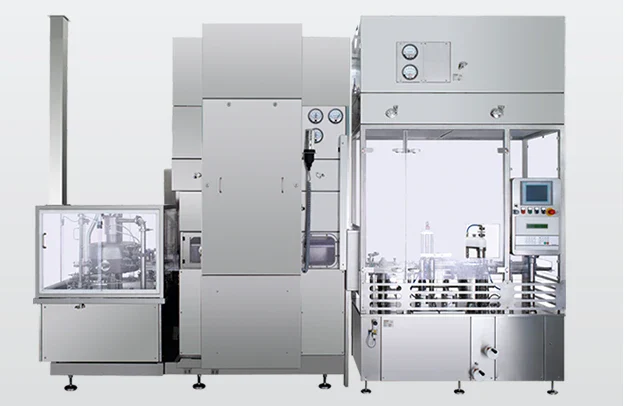
Double-sided forming blister packaging machineA blister packaging machine is a high-speed thermoforming system that creates sealed plastic or aluminum cavities (blisters) to hold individual doses or product samples. Yundu’s YDSH-120 double-sided forming blister packaging machine, for example, uses a unique double-sided convex forming process on Alu-Alu film to produce distinctive three-dimensional blister containers. Its automated design supports flexible, customizable layouts, allowing multiple product shapes to be formed and filled in a single production run. By forming cavities on both sides of the film, this dual-sided machine yields stronger blisters and high-strength seals, enhancing product protection and aesthetic appeal.

Technical Overview of the Double-Sided Blister Packaging Machine

Film Feeding & Forming

A roll of thermoformable film (aluminum or plastic) is unwound and precisely cut to size. The machine’s cold-press forming station then simultaneously thermoforms matching blister cavities on both the top and bottom films. This creates double-sided cavities ready for product filling.

Pre-Sealing

A U-shaped sealing station partially bonds the edges of the formed top and bottom films to hold the cavities open. This pre-seal prepares the pack for filling and ensures alignment.

Precision Filling

A servo-driven ceramic pump dosing system dispenses liquid or gel products into each blister cavity with high accuracy (±5% filling precision). The liquid storage tank feeds the pump, which precisely meters formulations into the aligned blisters.

Final Sealing

After filling, a second film layer is heat-sealed on top of the pre-formed blisters (top sealing). This creates a complete, airtight enclosure for the product.

Finishing

An optional stamping station can emboss textures, logos, or lot codes onto the sealed pack. Finally, the machine performs point-segment perforating and cutting, separating individual blister units from the web. Excess material is trimmed and removed, and the finished blister packs are discharged at the outlet.

This fully automated line is controlled by an easy-to-use PLC interface. It handles the entire process – from film feeding to final cutting – with minimal manual intervention. The compact machine footprint (about 4.83 m × 2.88 m × 1.70 m) and integrated workflow make it suitable for continuous high-output operation.

Key Advantages of the Double-Sided Blister Packaging Machine

High Production Efficiency

With speeds up to 13 strips per minute (about 1.3 plates/min), this machine delivers fast cycle times and consistent throughput. Its servo-driven mechanisms and synchronized stations ensure each unit is processed quickly, maximizing productivity on high-demand runs.

Flexible Configuration

The system’s modular design allows easy changeover between blister shapes and sizes. Manufacturers can produce multiple cavity layouts in one batch without extensive retooling. Multi-row and custom mold options enable mixing different products or sample formats on the same line.

Dual-Sided Forming Capability

By thermoforming blisters on both film layers, the machine creates symmetric “sandwich” cavities. This enhances cavity strength and rigidity, making the blisters better suited for sensitive liquids and premium samples. The double-sided blisters also have a distinctive 3D profile that improves shelf appeal.

Automated Precision Filling

The servo-driven ceramic pump delivers precise volumetric dosing for liquids, gels, or pastes. This reduces waste and ensures each blister receives an exact dose, which is critical in pharmaceutical and food applications. The machine’s automated controls minimize variation between units.

User-Friendly Operation

Modern blister packaging machines feature intuitive controls and built-in diagnostics. Operators can monitor the process on a touch-screen interface and adjust parameters in real time. This ease of automation reduces training time and human error, resulting in reliable, continuous operation.Double-sided convex forming blister packaging machine multi-row physical picture

Applications in Pharmaceutical, Food, and Consumer Packaging

The double-sided blister packaging machine is widely used across several industries:

  • Pharmaceuticals & Nutraceuticals: Ideal for unit-dose packaging of liquid medications, syrups, cosmetic serums, vaccine samples, and nutraceutical trial kits. The sealed blisters protect sensitive contents from moisture and contamination, meeting strict regulatory standards.

  • Food & Beverage: Suitable for hygienic packaging of single-serve sauces, dessert cups, yogurt, and condiment portions. Its all-stainless-steel construction and enclosed process ensure food-grade sanitation. Manufacturers use it for on-the-go snack packs and dairy or jelly cups that require leak-proof seals.

  • Consumer & Industrial Products: Used for sample packs of cosmetics (creams, lotions), personal care items, and even small hardware or electronic components. The dual-sided blister design creates a premium “box” effect that enhances branding. For example, blisters can contain beauty product samples or small gadgets, offering tamper-resistant, clear display packaging.

In each case, the machine supports a variety of materials (PVC, PET, aluminum-plastic laminates, etc.), allowing customization for barrier requirements and product compatibility. Its flexible tooling makes it easy to switch between different blister formats for seasonal promotions or multi-product lines.

Benefits for Manufacturers: Product Safety, Automation, and Cost-Effectiveness

Enhanced Product Safety

Blister packaging provides a sealed unit that protects contents from moisture, air, dust, and mechanical shock. The double-seal process (U-shape plus full seal) ensures high integrity and leak prevention. Tamper-evidence is inherent in the blister design, giving end-users confidence in product safety and authenticity.

Automated Reliability

By automating the entire blister forming and filling process, manufacturers achieve consistent quality and higher throughput. Automation reduces labor costs and human error, while improving occupational safety by minimizing manual handling of products. The machine’s precise controls and repeatability enhance batch-to-batch uniformity, which is crucial for pharmaceuticals.

Cost-Effective Operation

Blister packs are lightweight and use minimal materials, reducing waste in transportation and production. The compatibility with high-speed automated lines lowers packaging costs over time. Integrating filling and sealing steps in one machine further cuts handling steps and saves floor space. Overall, manufacturers benefit from shorter cycle times and more output for lower per-unit cost.

Regulatory Compliance

Blister packaging machines can be equipped with features like clean-room compatibility and sanitizable components to meet industry regulations. The fully enclosed process prevents cross-contamination, and serialization or date-stamping can be added for traceability. Blister packs are widely accepted in regulated sectors because they meet safety and labeling standards.

Recommendation and Call to Action

The YDSH-120 double-sided blister packaging machine represents an advanced solution for manufacturers seeking high-efficiency, automated packaging. Its robust design, dual-forming capability, and precise filling system deliver reliable performance for pharmaceuticals, food products, cosmetics, and more. To discuss how this technology can enhance your production line, contact Yundu’s packaging specialists today. Our experts are ready to help you identify the ideal blister packaging machine for your needs and provide a customized quotation.

Contact us now to boost your packaging efficiency and ensure top-tier product safety with the latest blister packaging technology.

Double-sided Convex Forming Blister Packaging Machine FAQ

Transparency is the cornerstone of our Yundu team. That’s why below, you can find the most common questions and answers we receive surrounding our blister packaging machine.

A double-sided forming blister packaging machine is a specialized system that forms matching cavities on both the top and bottom layers of packaging material simultaneously. This process creates symmetrical, three-dimensional blister containers that are stronger and more visually distinctive than single-sided packs. Such machines are ideal for high-value or sample-sized products in industries like pharmaceuticals, cosmetics, and healthcare.

These machines feed and cut a plastic (or foil) film, then use a cold press process to form cavities on both sides of the film. After forming, the machine seals certain areas (often using a U-shaped pre-seal) and fills each cavity with product (typically via precise ceramic pumps). Finally, a top seal (foil or film) is applied and the blister packs are cut out. The result is fully enclosed, unit-dose blisters that exit the machine ready for collection.

he YDSH-120 uses a unique double-sided convex forming process on aluminum-foil (“Alu-Alu”) film to create 3D blisters. It offers flexible layouts so multiple product shapes can be run in one batch. The machine includes high-precision ceramic pump filling and advanced servo/PLC controls for very accurate dosing. It is fully automatic and high-speed – the case study reports output up to 180 trays per minute – which greatly increases production efficiency.

Double-sided blister machines can handle a variety of solid, semi-solid or liquid products in unit-dose form. For example, YDSH-120 has been used for dairy spreads like butter and cheese, as well as sauces and creams. They typically use thermoformable films such as aluminum-plastic (Alu-Alu) laminates, PVC, PET or other specialized blister materials. The foil sealing provides an excellent moisture and oxygen barrier, making it suitable for sensitive or perishable products.

These machines are widely used in industries that need high-quality, tamper-evident packaging for unit-dose products. Common sectors include pharmaceuticals, nutraceuticals, cosmetics and personal care. They are especially popular for trial-size or sample packaging. The YDSH-120 example even illustrates use in the food industry (butter packaging) for a dairy producer, showing that food and specialty food (like yogurt cups, sauces) can also benefit from double-sided blister packing.

Double-sided forming creates stronger, more rigid blister containers, which improves product protection and visual appeal. The foil sealing ensures an airtight, tamper-evident pack, ideal for moisture-sensitive or high-value products. Automated machines like the YDSH-120 also reduce waste and defects: in one case a butter line saw consistent fill accuracy and virtually no leaks after switching to the YDSH-120. Overall, users get higher throughput, more precise dosing, and better hygiene control compared to manual or semi-automatic blister lines.

Fully automatic machines dramatically increase speed and reduce labor needs. In the cited case, replacing a semi-automatic line (10–35 trays/min) with the YDSH-120 raised throughput to 180 trays per minute. The automatic feeding, filling and sealing mean fewer operators are needed, and human errors (like inconsistent fills) are virtually eliminated. This higher speed and consistency allow manufacturers to meet demand spikes quickly, improving overall line efficiency.

Key considerations include the product form (solid pill, viscous cream, liquid, etc.), the film or foil materials needed, and the desired output rate. You should match the machine’s capabilities (e.g. double-sided forming vs. single-sided) to your product and production volume. Also evaluate automation level (controls, servo drives), ease of changeover, and cleaning features. Yundu notes that a double-sided machine is ideal for durable, symmetrical sample packs. Be sure to ask about maintenance support and spare parts availability, since uptime and service can greatly affect ROI.

Machines like the YDSH-120 are built to food/pharma hygiene standards. For instance, its construction uses stainless steel and quick-release parts for easy sanitation, and it includes automated cleaning cycles. The fully enclosed filling and sealing process minimizes human contact and contamination. The case study emphasizes that hygienic design (easy cleaning and stainless surfaces) allowed much faster cleanup (minutes instead of hours), keeping the line sanitary and compliant. The hermetic foil seal also protects each unit from moisture and microbes.

The YDSH-120 is capable of very high speeds – the butter line example ran at about 180 trays per minute. In contrast, the older semi-automatic system ran only 10–35 trays/min. Actual capacity depends on blister size, number of cavities per cycle, and product viscosity, but double-sided forming machines are designed for medium-to-high volume. In practice, one U.S. dairy producer quadrupled its blister output after installing a YDSH-120, demonstrating how much production can improve.

Share The Post Now:
Picture of Hey there, I’m Daisy

Hey there, I’m Daisy

I’m the Sales manager of Yundu. We have been helping manufacturing industries increase their productivity and capacity with our advanced filling machines for over 20 years.
Have questions? Reach out to us, and we will provide you with a perfect solution.

Related Articles

Get Instant Quote

If you’d prefer, a representative from Yundu can contact you directly. Please provide the information below and a member of our sales team will contact you shortly. * fields are required.