The beverage industry is evolving at a rapid pace, driven by the increasing demand for high-quality, efficiently produced juices. In today’s competitive market, achieving high production efficiency and maintaining uncompromised quality are paramount for any juice producer. Whether you are a start-up exploring innovative beverage solutions or an established manufacturer seeking to optimize your production line, investing in a reliable juice filling machine can transform your business operations. This comprehensive guide explores everything from fundamental definitions and machine types to the latest technology innovations, best practices, and real-world manufacturer insights—helping you choose the best equipment to meet your production needs.
What Is a Juice Filling Machine and Why Is It Essential?
A juice filling machine is a specialized piece of equipment designed to accurately and efficiently fill various containers—such as bottles, pouches, and cups—with juice. These machines are critical components in modern production lines, replacing traditional manual filling methods with automated systems that guarantee high precision and consistency.
Automated filling systems, including juice bottling machines, juice packing machines, and juice packaging machines, are essential because they:
- Increase Production Speed: Automation allows for significantly higher output, making it possible to meet growing consumer demands.
- Improve Quality Control: By reducing human error, these machines ensure that each container is filled to the exact volume required, enhancing product consistency.
- Enhance Hygiene and Safety: Automated systems minimize the risk of contamination, which is crucial in the food and beverage industry.
- Reduce Labor Costs: With fewer manual operations required, manufacturers can reduce labor expenses and reallocate resources to other areas of production.
- Support Various Packaging Formats: Whether filling bottles, pouches, or boxes, modern machines are designed to handle diverse packaging types.
From automatic juice filling machines to aseptic juice filling machines, the technology behind these systems is continuously evolving to meet the demands of a modern marketplace.
Types of Juice Filling Machines: Finding the Perfect Fit
When selecting a filling system, it’s crucial to understand the different types available. Each category offers unique features and is designed to meet specific production requirements.
Fully Automatic Juice Filling Machine
Fully automatic juice filling machines are engineered for high-speed, high-volume production lines. These systems integrate multiple processes—including filling, sealing, capping, and labeling—into a seamless, automated workflow. With advanced sensors and control systems, fully automatic lines ensure that every container is filled with consistent precision. These machines are ideal for large beverage manufacturers seeking to boost productivity while reducing human error and labor costs.
Semi Automatic Juice Filling Machine
For operations that do not yet require full automation, semi automatic juice filling machines provide a balanced solution. These systems combine the benefits of automation with operator control, allowing for flexibility in production. They are particularly useful for medium-scale operations or businesses transitioning from manual methods. Models such as the semi automatic pet bottle juice filling machine and juice bottle filling and sealing machine offer a cost-effective way to improve efficiency without the full investment of a fully automatic system.
Manual Juice Filling Machine
Manual juice filling machines remain relevant, particularly for small production volumes or specialty products. Although these machines require more hands-on operation, they offer flexibility and lower initial investment costs. Small-scale juice producers and artisanal beverage brands often prefer manual systems for their ability to handle custom recipes and small batches with high attention to detail.
Specialty Juice Filling Machines
The market has also seen the rise of specialty machines designed for unique applications. These include:
- Fruit Juice Filling Machines: Specifically engineered to handle juices containing pulp or solid fruit particles.
- Juice Pouch Filling Machines: Ideal for innovative, flexible packaging formats that are increasingly popular among health-conscious consumers.
- Bottle Shape Pouch Filling Machines: Designed to accommodate non-standard container shapes, ensuring a secure fit and attractive presentation.
- Cold Drink Pouch Filling Machines: Optimized for beverages that require specific temperature controls during the filling process.
By understanding the full spectrum of options, manufacturers can choose the system that best aligns with their production volumes, packaging requirements, and budget.
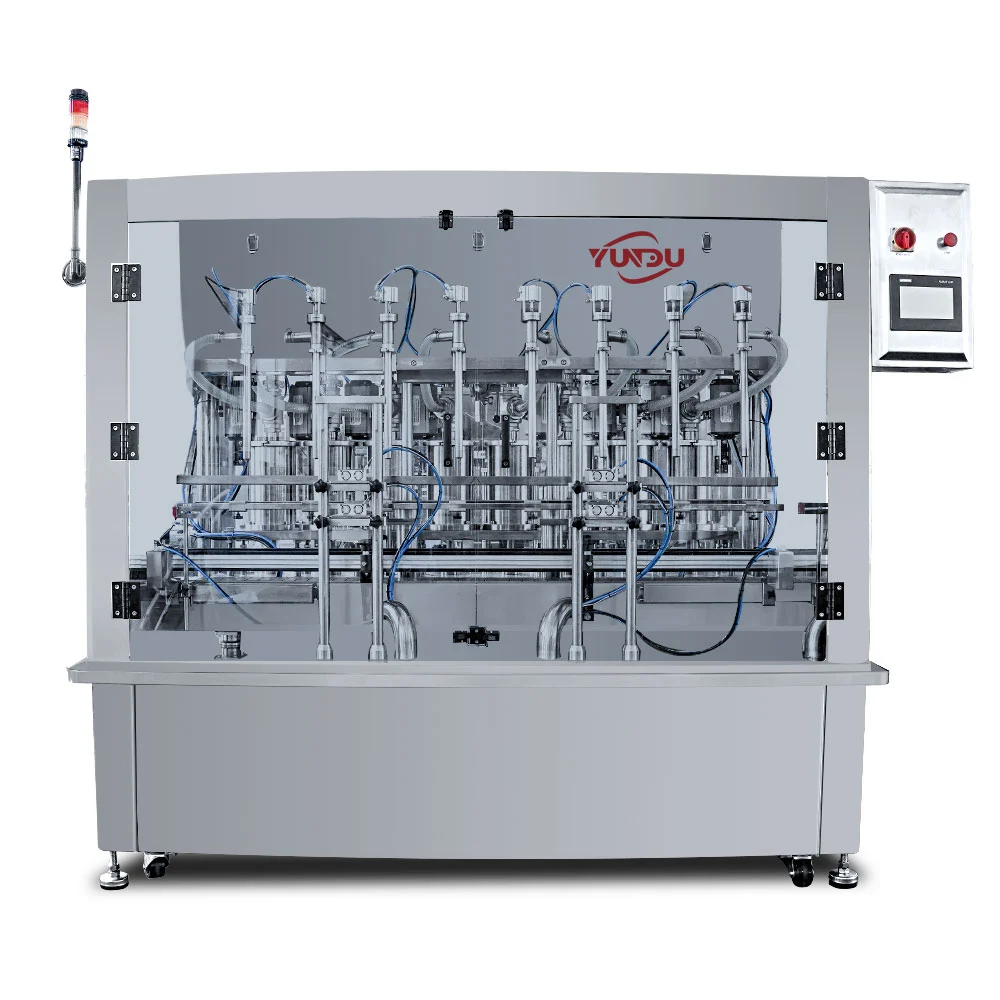
Fully automatic quantitative juice filling machine
This high-tech filling machine uses PLC control for accurate, bubble-free filling of various liquids.It is mainly used in the production of laundry detergent, shampoo, shower gel and daily chemical products. It is also suitable for efficient filling of food and beverages such as fruit juice and seasoning liquid.
Technology and Innovations in Juice Filling Machines
Technological advancements have dramatically transformed juice filling and packaging systems. Modern machines are not only faster but also more reliable and efficient than ever before. Here are some key innovations:
Smart Automation and IoT Integration
The integration of smart automation and the Internet of Things (IoT) into juice filling machines has revolutionized production. Advanced sensors and automated feedback systems continuously monitor fill levels and adjust settings in real time. This smart control ensures every container meets the required specifications, reducing waste and enhancing overall product consistency.
Aseptic and Hygienic Technologies
Hygiene is critical in the food and beverage sector. Aseptic juice filling machines operate under sterile conditions, utilizing advanced sterilization techniques to prevent contamination. These machines are designed to maintain high standards of hygiene throughout the filling process, making them indispensable for juices that are highly perishable or sensitive to contamination.
Multi-Head and Multi-Flow Filling Systems
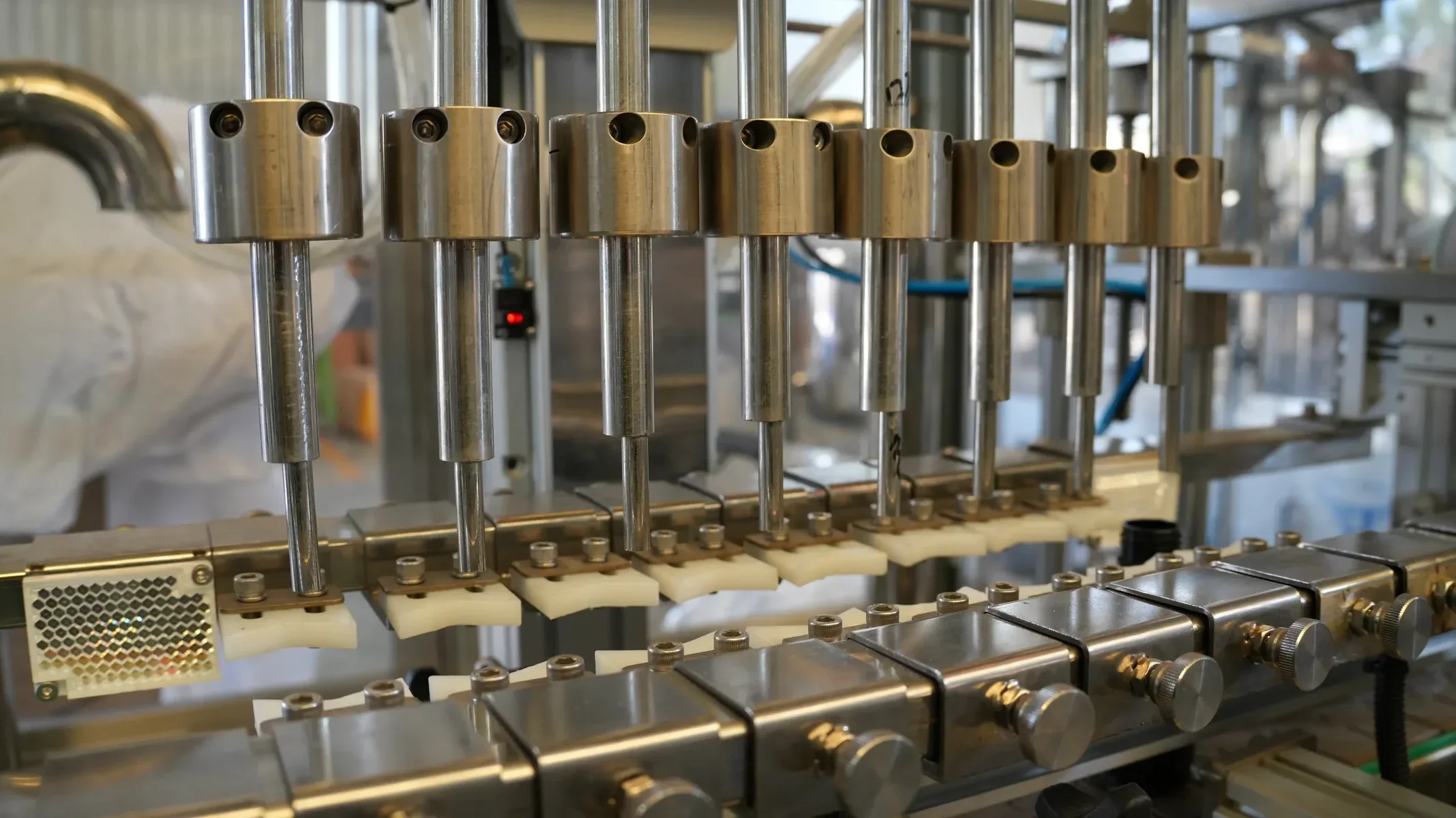
To meet high production demands, manufacturers are increasingly adopting multi-head filling systems. Innovations such as 2 nozzle juice filling machines and 4 nozzle juice packing machines enable the simultaneous filling of multiple containers. This approach not only speeds up the production process but also ensures uniformity in each unit, allowing for rapid scalability without compromising quality.
Energy Efficiency and Environmental Sustainability
Modern juice filling machines are designed with energy efficiency in mind. These systems use advanced motors and control technologies to minimize energy consumption while delivering high performance. Additionally, many machines are built with sustainable materials and incorporate waste-reducing designs. This commitment to sustainability not only lowers operational costs but also appeals to environmentally conscious consumers.
Advanced Sealing and Capping Solutions
Sealing is a critical step in the juice filling process, directly affecting product shelf life and safety. Juice filling and sealing machines incorporate advanced sealing technology that ensures containers are securely closed. Whether it’s a juice bottle cap sealing machine or a juice bottle capping machine, these systems guarantee a leak-proof seal, protecting the product from contamination and preserving freshness.

Key Features and Benefits of Investing in a Juice Filling Machine
Investing in a modern juice filling machine brings numerous advantages that extend beyond mere production speed. Here are some key features and their corresponding benefits:
High Production Speed
Automated juice filling systems are designed to operate at exceptionally high speeds. Whether using a complete juice filling line or a fully automatic system, these machines significantly reduce processing times, allowing manufacturers to meet high consumer demand swiftly. High-speed production also means that businesses can scale up operations during peak periods without a drop in quality.
Precision and Consistency
Maintaining consistency is crucial in the beverage industry. Advanced control systems in juice filling machines ensure that every container is filled to the exact required volume. This precision minimizes product variation and waste, ensuring that each bottle or pouch consistently meets quality standards. Such reliability is especially important for building brand trust and customer satisfaction.
Versatility in Packaging Options
Modern juice filling machines are highly versatile, capable of handling a wide range of packaging formats. Whether you require a juice bottle packaging machine for glass or plastic bottles, a juice pouch packing machine for flexible pouches, or even specialized equipment like a bottle shape pouch filling machine, there is a solution to suit your specific needs. This flexibility enables manufacturers to diversify their product lines and cater to various market segments.
Cost Efficiency and Reduced Labor Costs
Automated systems dramatically reduce the need for manual labor, lowering overall production costs. By investing in a juice filling machine for sale or juice bottling machine for sale, manufacturers can achieve significant savings on labor while simultaneously boosting output. The return on investment is further enhanced by reduced waste, improved quality control, and minimized downtime due to automation.
Enhanced Product Safety and Shelf Life
A robust sealing mechanism is vital for preserving the quality and safety of juice products. Machines such as juice bottle filling and sealing machines ensure that each container is sealed properly, protecting the product from contaminants and extending shelf life. This is particularly important for perishable juices, where maintaining freshness is critical for customer satisfaction.
Scalability and Flexibility
In today’s dynamic market, the ability to quickly scale production and adapt to changing consumer preferences is invaluable. Modern juice filling machines are designed with scalability in mind, allowing manufacturers to easily switch between different product types and packaging formats. Whether you are producing mango juice, litchi juice, or innovative new blends, these systems offer the flexibility to adapt to market trends and customer demands.
Top 10 Juice Filling Machine Manufacturers
| Rank | Company Name | Brief Description |
|---|---|---|
| 1 | Yundu | Leading innovator in juice filling technology. |
| 2 | Tetra Pak | Global leader in aseptic filling solutions. |
| 3 | Sidel | Innovative and sustainable liquid packaging. |
| 4 | Krones AG | High-speed filling and packaging systems. |
| 5 | KHS GmbH | Comprehensive filling and bottling systems. |
| 6 | GEA Group | Innovative filling machinery, energy-efficient. |
| 7 | SIG Combibloc | Cutting-edge aseptic packaging solutions. |
| 8 | Sipa Group | Efficient and sustainable filling technology. |
| 9 | IMA Group | Advanced automation and precision machinery. |
| 10 | Serac Group | Dependable filling and packaging solutions. |
How to Choose the Best Juice Filling Machine for Your Business
Selecting the right juice filling machine involves a careful evaluation of several key factors. Here are some important considerations to help you make an informed decision:
1. Assessing Production Volume
Understanding your production volume is the first step. High-volume operations typically require fully automatic systems that can handle rapid throughput without compromising quality. Conversely, smaller enterprises might find that semi automatic or manual systems better suit their needs. For instance, a small juice filling machine may be ideal for a boutique operation or specialty juice production.
2. Budget Considerations and Pricing
Budget plays a critical role in equipment selection. Prices can vary widely based on features, automation levels, and brand reputation. It’s important to balance the initial investment with long-term benefits, such as reduced labor costs and improved efficiency. Look for competitive deals by comparing juice filling machine price and juice packing machine price across different suppliers.
3. Compatibility with Product Types and Packaging
Different juices have different requirements. For example, fruit juices with pulp may need a mango pulp filling machine or a specialized fruit juice filling machine. Additionally, the type of packaging—whether bottles, pouches, or boxes—will influence the choice of machine. Ensure the equipment you select can handle your desired packaging formats, such as juice bottle filling machines for rigid containers or juice pouch filling machines for flexible packaging.
4. Space and Layout Requirements
Consider the physical space available in your production facility. Machines come in various sizes; compact models like small juice packing machines are ideal for limited spaces, while larger systems integrated into a full juice filling line are suited for expansive production areas. Proper planning ensures that your production line is both efficient and ergonomically optimized.
5. Ease of Operation and Maintenance
An easy-to-operate machine minimizes downtime and enhances productivity. Look for equipment with intuitive interfaces and accessible maintenance features. Training staff in the operation and troubleshooting of the machine is essential to ensure smooth day-to-day operations. Equipment with robust customer support and readily available spare parts can further minimize disruptions.
6. Future-Proofing Your Investment
The beverage industry is dynamic, and technology evolves rapidly. Investing in a machine that allows for future upgrades—whether through software enhancements or modular components—can provide long-term benefits. This flexibility ensures that your production line remains competitive and can adapt to future market trends without requiring a complete overhaul.
Best Practices for Operating Juice Filling Machines
Once you have selected the right machine, following best practices in operation and maintenance is crucial for long-term success.
Regular Maintenance and Cleaning
A rigorous maintenance schedule is critical. Regular cleaning not only extends the life of your equipment but also ensures hygiene standards are met. Follow manufacturer guidelines for cleaning cycles, particularly for juice filling and capping machines, to prevent bacterial growth and contamination.
Employee Training and Safety Protocols
Proper training is essential for safe and efficient machine operation. Ensure that your staff is well-versed in operating procedures, safety measures, and troubleshooting techniques. Regular refresher training sessions help maintain high standards of safety and operational efficiency.
Quality Control and Monitoring
Implement robust quality control systems. Use built-in sensors and monitoring software to track fill levels, sealing integrity, and overall performance. Regular audits can help identify issues before they impact production, ensuring that every product meets your company’s quality standards.
Timely Upgrades and Calibration
As technology advances, regular upgrades and recalibration of your machinery can help maintain peak performance. This proactive approach minimizes downtime and ensures that your production line remains aligned with industry standards.
Future Trends in Juice Filling and Packaging Technology
The juice filling industry is continuously evolving with emerging trends and innovative technologies shaping the future of beverage production.
Smart Production Lines and IoT Integration
The use of IoT and smart sensors is becoming increasingly prevalent in modern production lines. These technologies provide real-time monitoring, predictive maintenance, and data analytics to optimize production efficiency. Smart systems can automatically adjust operational parameters, reducing waste and ensuring consistent quality across every batch.
Sustainability and Energy Efficiency
Environmental sustainability is a key focus for modern manufacturers. Newer juice filling machines are being designed with energy efficiency and waste reduction in mind. Innovations such as recyclable components, energy-saving motors, and minimal packaging waste techniques not only reduce operational costs but also appeal to eco-conscious consumers.
Customization and Flexibility
Consumer preferences are diverse and ever-changing, leading to a growing demand for customized packaging solutions. Flexible systems that can quickly switch between different products and packaging formats are increasingly important. Whether producing limited edition juices or high-volume commercial products, adaptable systems offer a competitive edge in a rapidly changing market.
Enhanced Data Analytics and Process Optimization
Advanced software is now an integral part of many filling systems. These applications collect and analyze production data, providing insights into process efficiency, waste reduction, and quality control. Manufacturers can use this data to make informed decisions about production improvements, ultimately boosting overall operational efficiency.
Case Studies: Real-World Success in Juice Production
Several leading beverage companies have successfully integrated advanced juice filling machines into their production lines, reaping significant benefits in terms of speed, consistency, and product quality.
A Leading Fruit Juice Manufacturer
A renowned fruit juice brand recently upgraded its production line by investing in a state-of-the-art fruit juice filling machine coupled with a high-speed juice bottle packaging machine. The result was a dramatic reduction in production time and a significant improvement in product uniformity. The company’s ability to meet high consumer demand without sacrificing quality has positioned it as a market leader.
A Boutique Organic Juice Producer
A niche organic juice producer opted for a small juice filling machine tailored to their specific production needs. This semi automatic system allowed them to maintain meticulous control over each batch, ensuring the organic integrity of their products. By diversifying packaging options—including both juice pouch packing machines and juice bottle capping machines—the company managed to capture a broader market share, reinforcing its brand reputation for quality and sustainability.
A Start-Up Innovator in Beverage Technology
A start-up focused on innovative beverage solutions selected a semi automatic juice filling machine as a cost-effective entry into the market. With the ability to scale production gradually through incremental upgrades—eventually transitioning to a fully automatic line—the company successfully optimized its production processes, meeting customer demand while staying within budget.
Authoritative References and Further Reading
The following are two websites related to the verification standards for juice filling machines provided by authoritative organizations, covering safety and performance requirements:
1. US UL Safety Standard (UL 982)
Website: UL Solutions – UL 982 Standard
Applicability:
UL 982 is a safety standard specifically formulated for electric food processing equipment (including juicers and filling machines), covering test items such as electrical safety, mechanical stability and material reliability, such as leakage current test, sealing test, abnormal operation test, etc.
This standard is mandatory for North American e-commerce platforms such as Amazon to ensure that the equipment meets the US market access requirements.
Core test items:
- Electrical safety (dielectric withstand voltage, leakage current)
- Mechanical stability (impact test, packaging test)
- Environmental adaptability (immersion test, high temperature operation)
2. EU CE Certification (EN 60335 series of standards)
Website: CEN-CENELEC Standards
Applicability:
EN 60335-1 and EN 55014 are EU general safety standards for household and similar electrical appliances, covering electrical safety, electromagnetic compatibility (EMC) and hygiene requirements for filling machines.
CE-certified equipment must be evaluated by a third-party testing agency to ensure compliance with the EU Machinery Directive (2006/42/EC) and Low Voltage Directive (2014/35/EU).
Core requirements:
- Electrical insulation and grounding protection
- Material food grade compliance (such as stainless steel contact parts)
- EMC anti-interference capability
Conclusion: Embracing the Future of Juice Filling Technology
The beverage industry is on the cusp of a technological revolution, and investing in a modern juice filling machine is a critical step toward staying competitive in this dynamic market. From fully automatic systems that maximize production speed to specialized machines that cater to niche product lines, the options available today provide unparalleled efficiency, quality, and versatility.
By carefully assessing your production volume, budget, product requirements, and future scalability, you can select the perfect machine to elevate your operations. The insights, real-world case studies, and authoritative references presented in this guide offer a roadmap for making an informed decision that will boost your beverage production efficiency and enhance product quality.
As technology continues to evolve—bringing smart automation, energy efficiency, and enhanced data analytics to the forefront—manufacturers who embrace these innovations will not only meet but exceed consumer expectations. Investing in advanced juice filling technology today means preparing your business for the future, ensuring that you remain a leader in the competitive landscape of beverage production.
Embrace innovation, prioritize quality, and drive your business toward a more efficient, sustainable, and profitable future with the right juice filling machine. Whether you are a seasoned producer or a new entrant into the market, this comprehensive guide is designed to empower you with the knowledge and tools needed to succeed in today’s fast-paced beverage industry.
FAQS
Here are some frequently asked questions about juice filling machine.
A juice filling machine is an automated system designed to fill containers—such as bottles, pouches, or cups—with juice accurately and efficiently. It uses sensors and control systems to measure the correct volume, ensuring consistency and reducing waste. This technology minimizes human error and speeds up production while maintaining high hygiene standards.
Juice filling machines come in several types:
- Fully Automatic Machines: Ideal for high-volume production, integrating filling, sealing, and capping processes.
- Semi Automatic Machines: Offer a balance between automation and operator control for medium-scale operations.
- Manual Machines: Best for small-scale or specialty juice production.
- Specialized Machines: Designed for products with pulp or for unique packaging formats like pouches and bottle shape pouches.
Choosing the right machine depends on several factors:
- Production Volume: High-volume operations benefit from fully automatic systems, while smaller producers might opt for semi automatic or manual machines.
- Budget: Consider the initial investment versus long-term savings from reduced labor costs.
- Product and Packaging Compatibility: Ensure the machine can handle your specific juice type and container format.
- Space and Layout: The machine should fit seamlessly into your production facility.
- Ease of Maintenance: Look for user-friendly designs with accessible maintenance features.
Automatic juice filling machines offer numerous benefits:
- High Production Speed: They rapidly fill containers, increasing throughput.
- Consistency and Accuracy: Advanced sensors and controls ensure each container is filled to the correct volume.
- Reduced Labor Costs: Automation minimizes manual intervention, lowering labor expenses.
- Enhanced Hygiene: Reduced human contact decreases the risk of contamination.
- Scalability: They can easily adapt to increased production demands.
An aseptic juice filling machine operates in a sterile environment to prevent contamination. This technology is critical for juices that are highly perishable or require extended shelf life, as it maintains the product’s quality and safety by eliminating harmful bacteria and pathogens during the filling process.
Regular maintenance is essential to keep juice filling machines operating at peak efficiency. Key maintenance tasks include:
- Routine Cleaning: Prevents buildup of residues and bacteria, ensuring hygiene.
- Calibration: Regularly checking sensors and control systems to maintain filling accuracy.
- Component Inspection: Replacing worn parts to avoid unexpected downtime.
- Software Updates: Ensuring the control systems are updated with the latest improvements for optimal performance.
Multi-nozzle systems, such as 2-nozzle or 4-nozzle machines, allow simultaneous filling of multiple containers. This design drastically increases production speed and ensures uniformity across all units. It’s an ideal solution for manufacturers looking to boost throughput without sacrificing accuracy.
Several factors influence the cost of a juice filling machine:
- Automation Level: Fully automatic machines are generally more expensive than semi automatic or manual systems.
- Production Capacity: Higher throughput machines tend to cost more.
- Technology and Features: Advanced systems with IoT integration, multi-nozzle designs, and aseptic capabilities may carry a premium.
- Brand and Quality: Well-known manufacturers with proven reliability often charge higher prices, reflecting superior performance and durability.
IoT integration allows juice filling machines to connect with a central control system for real-time monitoring and predictive maintenance. This connectivity helps in tracking fill levels, detecting malfunctions early, and optimizing overall performance. By leveraging data analytics, manufacturers can reduce downtime, improve quality control, and enhance production efficiency.
Several leading manufacturers are recognized for their innovation and quality in juice filling technology. Top companies include:
- Yundu Packaging Machinery: Known for high precision and reliable automation solutions.
- Tetra Pak: A global leader in aseptic filling and packaging solutions.
- Sidel: Specializes in efficient, sustainable liquid packaging systems.
- Krones AG: Offers advanced high-speed filling and packaging technologies.
- KHS GmbH: Provides comprehensive filling, packaging, and bottling systems.
- GEA Group: Focuses on energy-efficient and high-quality filling machinery.
- SIG Combibloc: Renowned for innovative aseptic packaging solutions.
- Sipa Group: Delivers sustainable filling technology tailored to industry needs.
- IMA Group: Known for cutting-edge automation and precision in packaging machinery.
- Serac Group: Offers robust and reliable filling solutions for various beverage applications.