 English
  Arabic
  Indonesian
  Vietnamese
  Malay
Malay  Thai
Thai  Korean
  Russian
  French
  Italian
  Japanese
  Portuguese
  Turkish
  Spanish
  In the hardware and fastener industry, screw small bag packaging refers to filling and sealing small plastic bags with screws, bolts, nuts and other fasteners for distribution or assembly. This packaging method keeps parts organized and protected. Automating this process with an automatic screw bagging machine streamlines production: the machine counts or weighs screws, fills each bag, then seals and cuts it in one cycle. Such systems replace slow, manual bagging, ensuring consistent, error-free packaging of fasteners. In short, screw small bag packaging delivers ready-to-ship hardware kits or retail packs with high precision and efficiency.
Common Packaging Materials and Methods
Plastic polybags are the most common medium for hardware screw packaging. Bags are usually made from polyethylene (PE) or polypropylene (PP) film because these plastics are strong and puncture-resistant. For example, LDPE bags are lightweight and tear-resistant – ideal for nuts, bolts, washers and screws. Polypropylene (PP) bags are moisture-resistant and crystal-clear for visibility of contents. Bag styles vary: flat poly bags (single-layer) are simple and cost-effective, suitable for flat or small items, while gusseted bags (with expandable sides or bottoms) can accommodate bulkier kits or mixed component sets.
Many screw packaging operations prefer resealable zipper bags for convenience. Zip-lock closures allow end-users or assemblers to open and re-close packages easily. Some high-volume lines use pre-formed pouches or doypacks with adhesive or heat-seal tops. Many bagging machines can handle various films: for instance, the ZONESUN ZS-FSCS02 machine supports CPP or OPP composite films. In practice, packaging converters might print logos or part numbers on the film, or use transparent bags with printed labels. Whether using plain clear bags or printed pouches, the chosen method ensures each screw pack is secure, uniform, and suitable for shipping.
Packaging Process: Step by Step
The automatic screw bagging process consists of several key steps, typically performed continuously by the machine:
Feeding: Bulk screws (or mixed hardware) are loaded into a hopper with a vibratory feeder or conveyor. The feeder directs parts one-by-one into the counting mechanism. For example, a custom vibratory plate may tailor its motion to specific screw shapes.
Counting/Weighing: Each bag’s contents are precisely portioned. This can be done by optical/fiber-optic counters or weight-based multihead weighers. Modern machines use sensors to count parts as they pass by. Some systems use a multihead weigher to batch screws by weight, achieving very high accuracy. These controls ensure exact counts or weights every cycle.
Bag Presentation: Meanwhile, the machine prepares the bag. It may open a pre-made polybag (grasped by a vacuum or mechanical gripper) or form a bag from a continuous roll of film. In roll-fed machines, the film is unwound and formed into an open pouch (often by heat-sealing two film layers into a tube with one side open).
Filling: Once the bag is ready, the portioned screws are dispensed into it. The count mechanism drops the measured screws directly into the waiting open bag. The machine tracks each fill so that one bag receives the exact number of items required.
Sealing: After filling, the open top of the bag is sealed (often with a heat sealer or ultrasonic sealer). A built-in sealer bar fuses the plastic, creating a tamper-proof closure. For example, Concetti’s bagging systems describe sealing the filled bag by heat before it is discharged.
Cutting and Discharge: Finally, the machine cuts the film above the seal to separate the bag, and the finished bag is released (onto a conveyor or stack). Many machines also print batch codes or attach labels during this step.
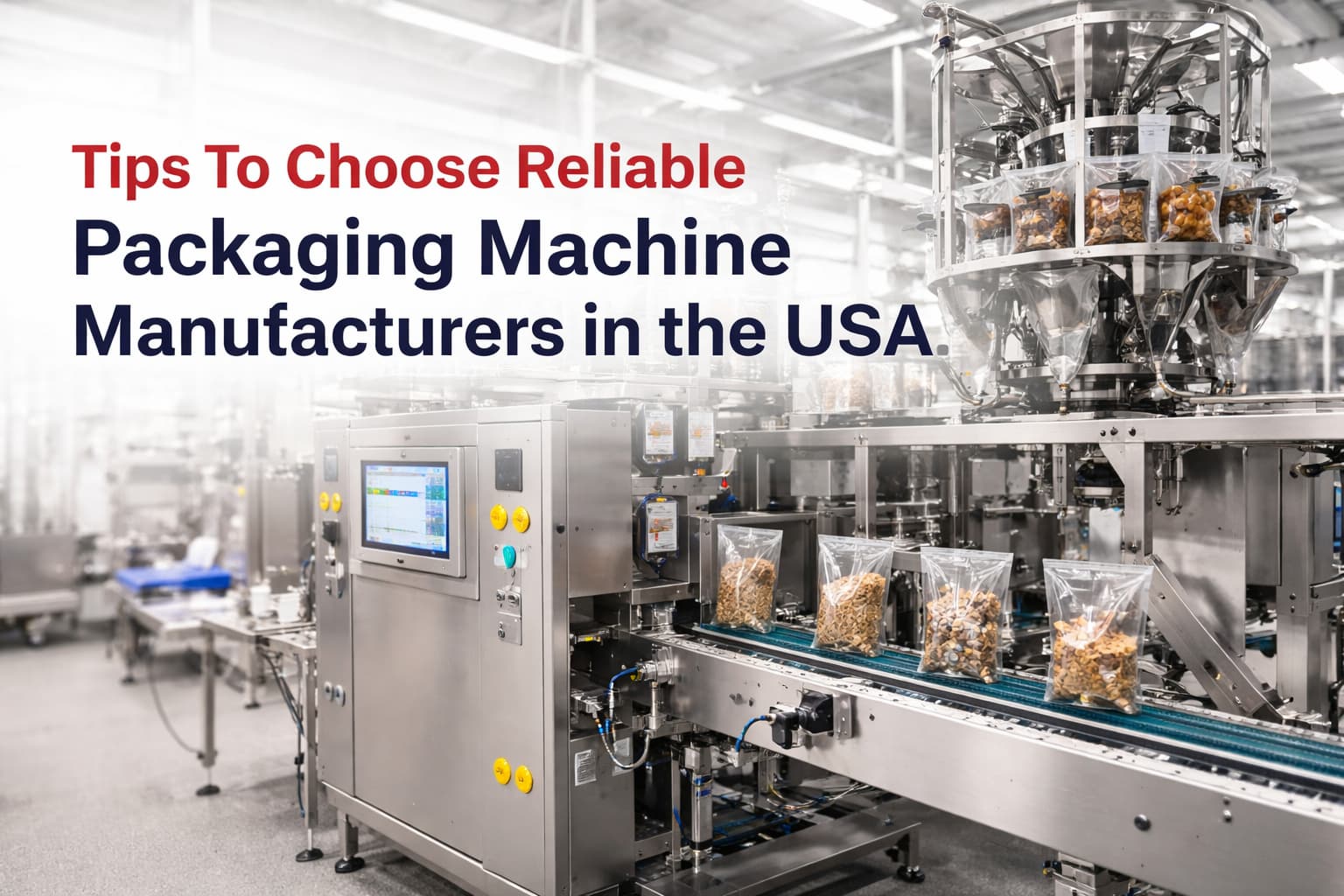
Modern equipment integrates these steps seamlessly. As one manufacturer notes, advanced machines “integrate automatic feeding, counting, filling, bag making, sealing, and output counting into one streamlined process”. PLC controls coordinate each phase: a digital counter displays the number of bags, alarms detect film shortage, and diagnostics halt the line if a fault occurs. This automation ensures every screw pack is uniform and ready for boxing or further handling.
Key Benefits of Automatic Screw Bagging Machines
Speed and Throughput
Automating bagging drastically boosts output. Many machines run at 10–40 bags per minute depending on bag size and quantity. This high throughput meets the demands of fast-paced production lines, far exceeding manual packing speeds.
Accuracy and Consistency
Precision sensors and weighers eliminate human counting errors. For example, an automated system can achieve a weight variation of ±2g per bag, compared to ±5g by manual methods. Fiber-optic counters and multihead weighers ensure every bag has the exact specified number of screws. Consistent portioning also reduces material waste by avoiding over- or under-filling.
Labor and Cost Reduction
These machines require far fewer workers. In one case study, a screw packaging line reduced labor from 10 people to just 3 by automating bagging. Less manual handling means lower labor costs and fewer repetitive tasks. Over time this yields significant savings and a rapid return on investment, despite the equipment cost.
Reliability and Quality Control
Automation improves product quality. Seals are uniform and strong, protecting contents in transit. Built-in alarms alert operators to issues (e.g. a jam or low parts supply), reducing downtime. With features like self-diagnostic controls and sturdy construction, modern machines run continuously with minimal intervention.
Flexibility
Many bagging machines can handle a range of part sizes and counts. A single system can pack screws, nuts, bolts or washers by adjusting settings or swapping bowls. Some machines can even mix different parts (e.g. a screw and a washer) into one bag if needed. The result is a versatile solution for diverse packaging needs.
Overall, automatic screw bagging machines deliver faster operation, consistent package quality, and reduced operating costs. They are designed to run around the clock, making them ideal “fastener packaging solutions” for serious manufacturers.
Industries and Applications
Automatic screw bagging is used wherever precision hardware packaging is needed. Key industries include:
Electronics and Electrical Equipment: Manufacturers of appliances, lighting fixtures, and electrical enclosures often bundle mounting screws and small fasteners into labeled bags for assembly.
Automotive and Machinery: Car parts suppliers and machinery builders use these machines to kit screws, nuts, and bolts for maintenance or assembly kits.
Furniture and Fixtures: Assembly-required furniture (DIY or commercial) includes screw kits; automated baggers prepare these kits efficiently. The lighting and furniture industries commonly package fasteners this way.
Construction and Hardware Suppliers: Builders’ merchants and fastener distributors use bulk bagging systems to prepare inventory packs of nails, anchors and screws for retail or shipment.
Consumer Products: Toy and hardware kit manufacturers use automated bagging to package spare parts or component sets.
In general, any manufacturer or distributor handling large quantities of small components benefits from screw bag packaging. Even small workshops and fastener shops use compact machines for small-batch runs, thanks to the machines’ reduced labor and footprint. From mass production to specialized kit assembly, automated bagging provides a fastener packaging solution that supports global supply chains and high-quality standards.

Choosing the Right Packaging Solution
Selecting the best screw bagging system depends on several factors:
Production Volume and Parts: Estimate how many bags per minute you need, and what types of screws/parts you handle. Some machines are designed for very high throughput, while others suit moderate volumes. Ensure the machine can accommodate the largest screws or mixed components you require.
Packaging Material: Determine whether you will use pre-made bags or form bags from a roll. Make sure the machine is compatible with your chosen film (e.g. LDPE, PP, laminated film) and bag style (flat, gusseted, reclosable). Some machines offer quick-change systems for different bag sizes.
Accuracy Needs: If precise counts are critical (e.g. for retail kits), opt for a high-end counting or multihead weighing machine. Look at specifications like counting accuracy or weight tolerances.
Budget and ROI: Balance cost vs. benefit. Lower-cost semi-automatic models may suffice for small businesses, but large operations justify fully-automatic systems that dramatically cut labor. Evaluate long-term savings: a durable machine with fewer breakdowns often pays off by avoiding replacement and downtime.
Machine and Supplier Quality: Choose reputable manufacturers and distributors. A well-known supplier typically offers better support, warranties, and spare parts. Check if the machine has PLC controls, safety features, and easy maintenance. Ideally, request a demonstration or video of the machine in action to verify performance.
Flexibility and Growth: Consider future needs. Can the machine scale up (higher speed or more bowls) if demand grows? Is it easy to reconfigure for a new product line? Investing in a versatile system can protect your investment as business evolves.
In summary, match the machine’s capabilities to your product range and production goals. By carefully evaluating these factors—production volume, materials, accuracy, cost, and supplier support—you can select a screw small bag packaging solution that maximizes efficiency and value for your operation.
Screw Small Bag Packaging FAQ
Transparency is the cornerstone of our Yundu team. That’s why below, you can find the most common questions and answers we receive surrounding our screw small bag packaging.
It’s the process of filling small plastic bags with hardware like screws, bolts, and nuts. These bags protect and organize fasteners for shipping or assembly. Automated screw small bag packaging machines can count and seal screws into bags quickly, ensuring accurate contents in every package.
The machine feeds screws from a hopper into a counting or weighing unit. Once the correct count is reached, it dispenses the screws into a prepared bag. The bag is then sealed (usually by heat) and cut off. This cycle is repeated continuously. Advanced systems integrate feeding, counting, filling, sealing and cutting in one automated line.
Common materials are PE and PP plastic bags. LDPE bags are durable and puncture-resistant for small hardware, while PP bags are strong, clear, and moisture-resistant. Resealable (zip-lock) poly bags are popular for easy access. Some machines also use laminated films like CPP or OPP for pouches.
They greatly increase throughput (often 10–40 bags/minute) and improve accuracy. Automation reduces labor needs and error rates; one case saved 7 workers while tightening bag weight tolerances from ±5g to ±2g. Benefits include faster output, consistent package quality, lower labor costs, and reduced waste.
Any industry needing bulk fastener kits can use them. Examples include electronics, lighting, and appliance manufacturers (for assembly kits); automotive and machinery parts suppliers; furniture and HVAC assembly; and fastener distributors. Even small machine shops and hardware stores use compact machines to prepare parts kits or retail packs.
Very accurate. Machines use sensors or weighing heads to count parts with high precision. For instance, fiber-optic counting ensures exact item counts, and multihead weighers can limit weight deviation to just ±2g. This accuracy ensures each bag has the correct number of fasteners, often with +/-1 or 2 pieces at most.
Yes. Many machines can handle mixed-product batching. For example, you can set counts for multiple items at once, and the feeder will dispense the correct mix into each bag. This is useful for pre-assembled kits. Machines can be customized with multiple feeders or sorting systems to manage several part types simultaneously.
Key factors include your production volume, part sizes, and desired bag style. Ensure the machine can handle your screw sizes and count range. Check material compatibility (film vs pre-made bags). Also consider vendor reputation, warranty/support, machine durability, and maintenance needs. A demo of the machine on similar products is ideal to verify it meets your needs.
By automating the bagging process. Automatic screw baggers replace manual counting and bagging. In one example, a factory cut required workers from 10 to 3 by using automated bagging. With machines running continuously, you need fewer operators, freeing staff for higher-value tasks and lowering labor expenses.
Good machines have PLC or microprocessor controls with safety interlocks and alarms. Look for features like automatic shutdown on jams, temperature controls for stable sealing, and stainless-steel construction for hygiene. These features (e.g. self-diagnostic systems) ensure consistent packaging quality and safe operation in an industrial setting.