In today’s competitive snack market, “chips packaging” plays a pivotal role in preserving product quality, extending shelf life, and differentiating your offering on retail shelves. From flexible multi‑layer chips bags and sturdy chips box cartons to high‑barrier potato chip packaging canisters, each format demands precise material selection, advanced packing chips machinery, and rigorous quality controls. This guide equips manufacturers and suppliers with a clear overview of barrier films, form‑fill‑seal technologies, and emerging sustainable alternatives—ensuring your chips reach consumers crisp, safe, and visually compelling every time.
Why Packaging Matters for Chips
Proper packaging is essential for potato chips and other snack foods. Packaging protects chips from moisture, light, and oxygen—factors that can quickly make them stale. A high-quality bag or container keeps chips fresh and appealing for months, reducing waste and maintaining consumer trust. Good packaging also differentiates products on crowded shelves: vibrant printed pouches catch the eye and reinforce brand quality.
Common Chips Packaging Formats
Snack manufacturers use a variety of packaging formats (containers for chips) to suit different needs:
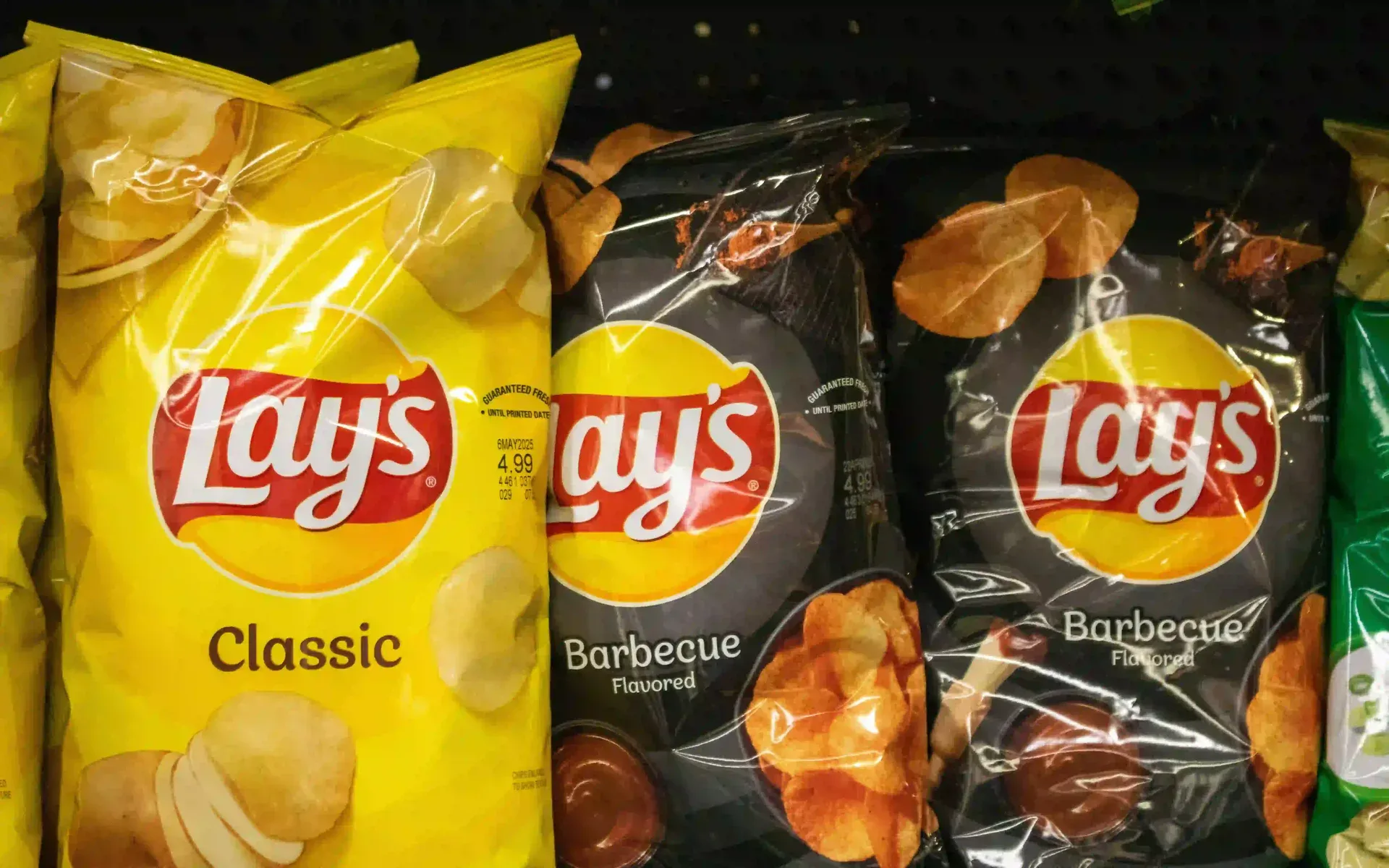
Flexible chips bags/pouches
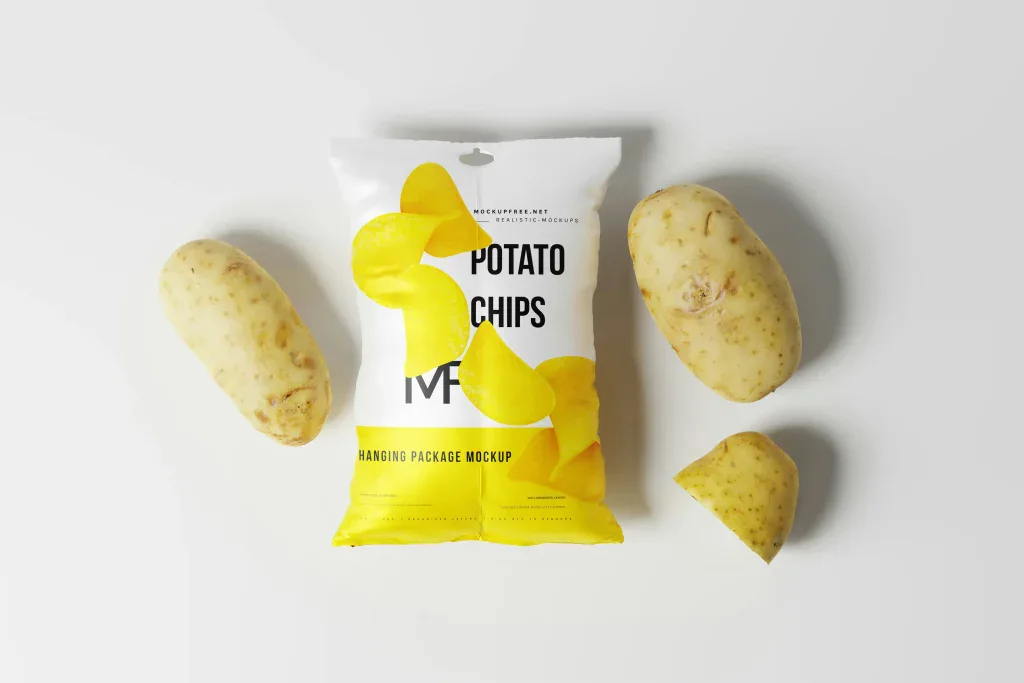
The most common format. These multi-layer bags (often pillow packs or stand-up pouches) use layers of plastic and metalized film to seal in freshness.
Composite or paper cans
Rigid round containers with resealable lids (like a tubular chip container) protect chips from crushing. A paperboard body with internal liners and a peel-off foil seal keeps snacks fresh and portable.
Folding carton variety packs
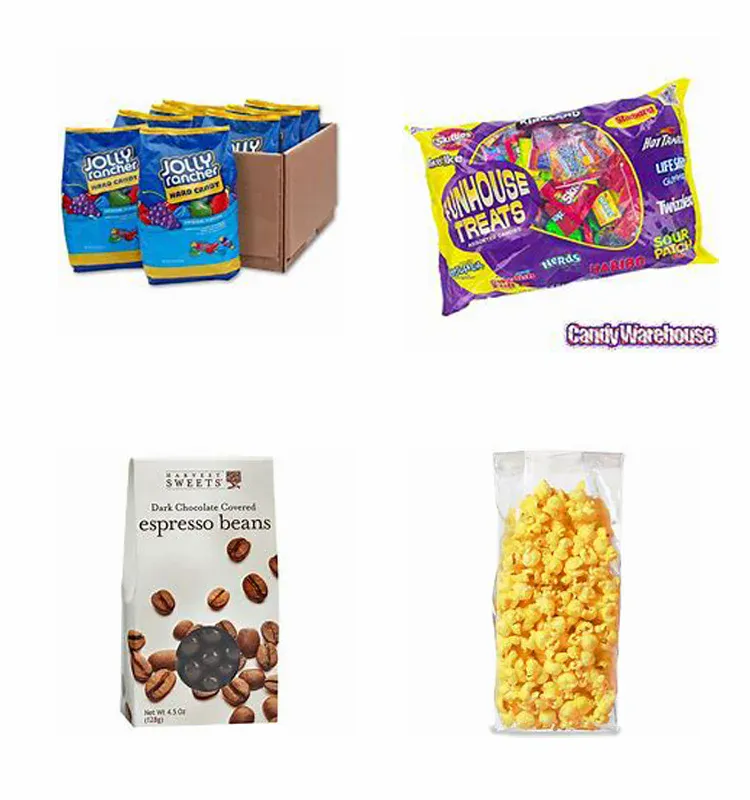
Cardboard boxes that hold multiple single-serve bags (for example, a variety pack of chips with assorted flavors). These chips boxes are made from printed paperboard and help brands bundle snack assortments in one retail package. Such cartons are designed to snugly fit the inner chip bags and often feature transparent windows or die-cut shapes to display the product.
Resealable bags/containers
Some premium products use zip-locked plastic bags or plastic tubs (like those for party mixes). These resealable containers often require specialized filling equipment but add convenience for consumers.
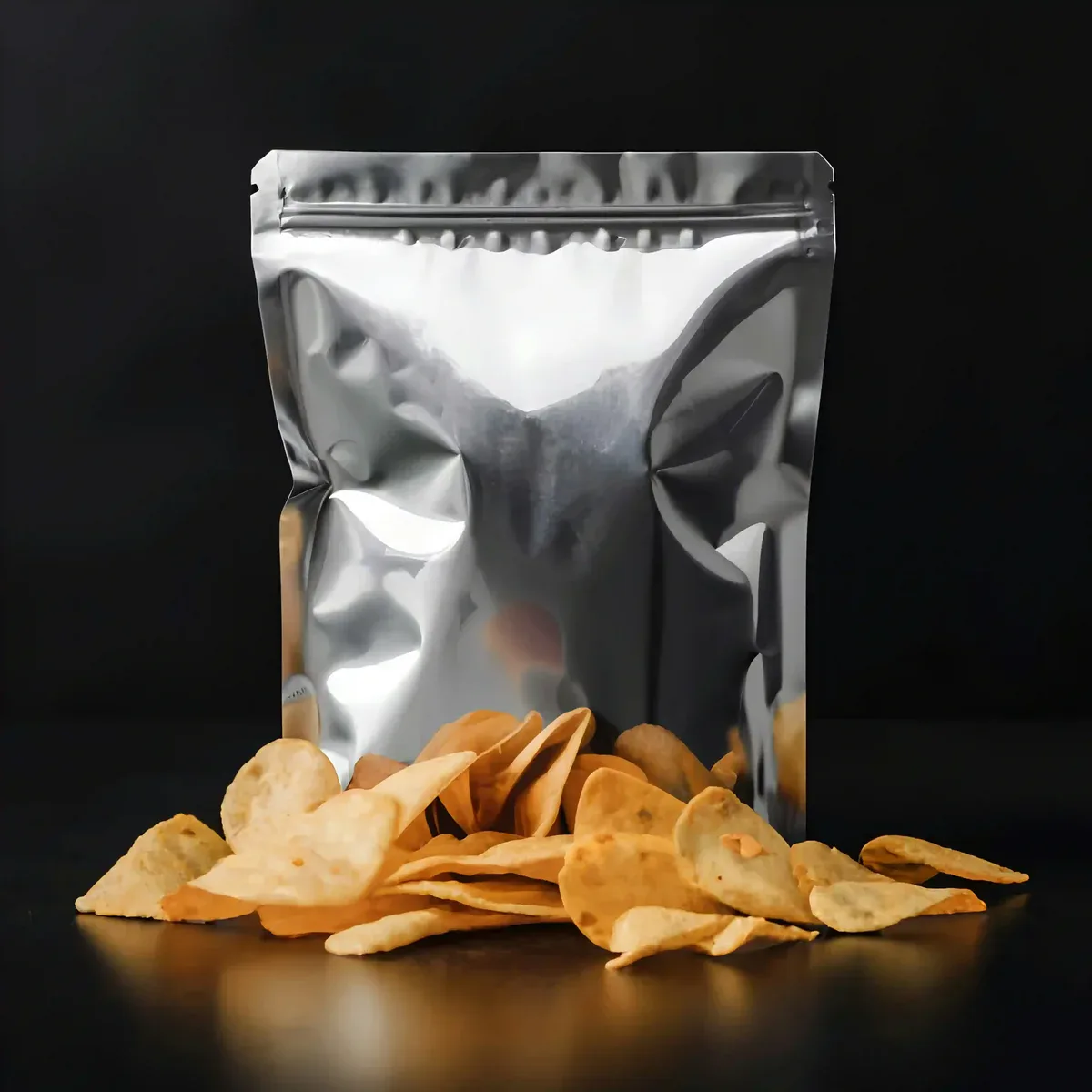
Each format balances cost, convenience, and product protection. Flexible chips bags are lightweight and inexpensive, while cans and boxes offer durability and a premium feel. For example, a composite canister with a solid lid prevents chips from crushing during transport.
Materials and Structure of Chips Packaging
Chip bags aren’t made of a single plastic – they are engineered laminates. Typically, a chip bag consists of:
- Metallized Film or Aluminum Foil: A thin metal layer that creates an oxygen and light barrier, preserving crunch and flavor.
- Polyethylene (PE) or Polypropylene (PP): Food-safe plastics that form the innermost layer and seals, preventing grease or oils from leaking through.
- BOPP (Biaxially Oriented Polypropylene): A stiff plastic layer that adds puncture resistance and maintains the bag’s shape.
- Polyester (PET): A smooth outer layer ideal for high-quality printing of logos and graphics.
- Adhesive Tie-Layers: Invisible films that bond all the materials together without compromising flexibility.
- Paperboard Composite (for Cans): Rigid chips containers (like a tubular chip container) use laminated paperboard. Typically, the body is recycled paperboard and the inside includes a foil or PE lining for additional barrier.
By combining these materials, manufacturers create packaging that is both strong and attractive. For example, a typical potato chips package might sandwich a metalized film between plastic layers to achieve excellent moisture and oxygen protection. This multi-layer film can dramatically extend a snack’s shelf life by keeping the contents crisp.
Because chip bags contain a metalized layer, they are generally not microwave-safe. Metal reflects microwaves and can spark, so chip bags (often called “foil packs”) should only be used as intended – for packing and storage, not reheating.
Potato chips production steps and packaging equipment
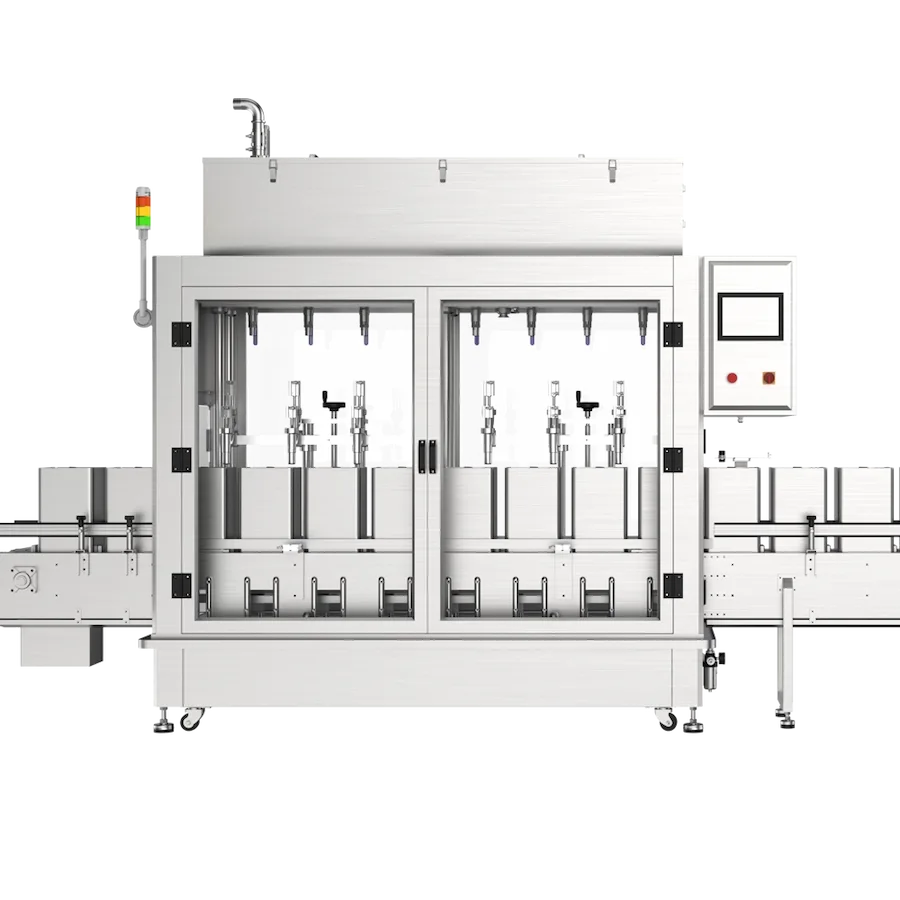
In a modern snack factory, chips move on conveyors to specialized packing machines. Precision weighing and bagging equipment ensure each chip pouch has exactly the right weight and seal. A typical chips packing line includes:
Step 1: Conveying & Portioning
In a high‑speed chips packaging line, bulk potato chips are first loaded into a hopper and transferred via an inclined belt conveyor to a multihead weigher, where gentle vibration and precise load cells combine small chip batches until the target weight is reached, ensuring every pack of chips bags meets exact specifications for consistent fill weights and minimal giveaway in packing chips operations.
Step 2: Film Unwinding & Forming
Next, a master roll of laminated barrier film—typically PET/CPP layered with a metalized barrier—is threaded over forming collars on a Vertical Form‑Fill‑Seal (V‑FFS) machine; as the film wraps around a forming tube, longitudinal heat‑seal bars create a continuous pouch sleeve, laying the foundation for each chips pouch or chips box insert with a tight, wrinkle‑free seal.
Step 3: Filling the Pouch
Once the tube’s bottom is sealed, the multihead weigher releases the pre‑measured chips into the open film tube; a vibrating funnel guides the contents smoothly into each bag, preventing jams and minimizing chip breakage while maintaining high throughput for snack producers who demand rapid packing chips efficiency.
Step 4: End‑Sealing & Cutting
After filling, synchronized horizontal sealing jaws clamp the pouch top with precise heat and pressure, forming an airtight seam that locks in crispness; an integrated knife or hot‑knife blade then slices the film between seals, producing individual chips bags ready for downstream handling without interrupting the continuous flow.
Step 5: Pre‑Made Pouch Filling (Alternative Line)
For lines using pre‑made pouches, a pouch magazine feeds empty bags to a pick‑and‑place mechanism that opens each bag, receives the chips via a controlled chute, and passes it to a dedicated top‑seal unit; this method supports a variety pack of chips SKUs and specialty containers for chips, offering flexibility in pack formats without changing the core FFS setup.
Step 6: Coding & Inspection
Finally, each sealed pouch or box edge passes under an inkjet or thermal‑transfer printer that applies batch codes and best‑before dates, then travels over a checkweigher and metal detector (or X‑ray) station for weight verification and contaminant inspection, ensuring every unit of potato chip packaging complies with safety regulations and B2B quality standards before boxing and palletizing for shipment.

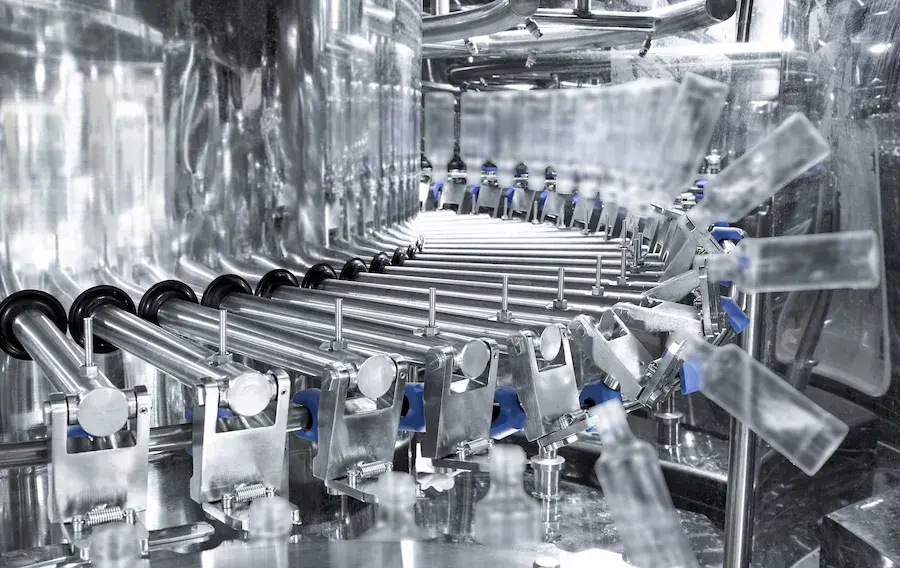
These machines are built for speed, reliability, and hygiene. Many touching parts (hoppers, chutes, funnels) are made of food-grade stainless steel and are easy to clean. Manufacturers choose equipment based on output requirements, bag size range, and maintenance needs. B2B buyers evaluate throughput (bags per hour), bag dimensions, and build quality.
Design and Quality Considerations
Ultimately, design must maximize shelf appeal and shelf life. By using high-barrier materials and robust seals, a properly designed chip pouch can maintain crispness for nearly a year under proper storage conditions. Modern packaging effectively locks in the aroma and flavor of potato chips, keeping them tasting fresh longer. Investing in quality packaging directly correlates with product quality – a benefit to both manufacturers and retailers.
Visual and Convenience Design: The outer film or box panel provides the canvas for branding. High-resolution graphics and colors are printed on the pouch’s exterior to capture shoppers’ attention. Some bags include easy-tear notches or sliders for opening. Resealable zippers or slide closures may be added to multipacks for consumer convenience.
Regulatory and Safety: All materials must comply with food safety regulations (e.g., FDA, EU standards). The packaging line includes quality checks: metal detectors or X-ray scanners examine finished packs to catch any contamination. Weight checks verify each pack is filled correctly, and visual inspections ensure seals are intact. Reliable chips packaging design protects the product and upholds brand reputation.
Sustainability and Trends
Traditional chips bags (multi-layer plastic/foil) are difficult to recycle. In response, the industry is developing greener options:
Mono-Material Films: Film laminated from a single plastic (e.g., 100% PE) can be recycled like standard plastic film.
Recycled Content: Some brands use packaging with post-consumer recycled (PCR) plastic. For example, a potato chips pouch containing 50% recycled film is now on the market.
Compostable Films: New compostable materials (made from starch or cellulose) are being tested for snack bags, allowing industrial composting instead of landfill.
Reducing Food Waste: Innovative packaging designs (like gas flushing and improved barrier layers) ensure chips remain crisp longer, meaning fewer packets are discarded as stale.
By preserving freshness, modern packaging means fewer bags are ruined or thrown away. Companies also respond to customer demand for sustainability by using recyclable or bio-based materials where possible. Such efforts help brands meet retailer requirements and environmental goals.
Conclusion
Effective chips packaging is a blend of material science, engineering, and design. The right combination of films and foils protects chips from air and moisture, extending shelf life and reducing waste. Automated chips packing machines deliver high-speed, precise bagging, while hygiene and quality controls ensure consumer safety. As one packaging expert notes, a well-designed chip pouch “protects the chips, reduces waste, and saves money.” By optimizing chips packaging materials, machinery, and design, snack producers ensure that their products reach consumers in prime condition while maintaining efficiency and profitability.
Chips Packaging FAQ
Transparency is the cornerstone of our Yundu team. That’s why below, you can find the most common questions and answers we receive surrounding our chips packaging.
Chips are most commonly packaged in multi‑layer flexible bags (often pillow pouches or stand‑up pouches) made from laminated films combining PET, metalized foil, and PE/CPP layers. Rigid paperboard cans and folding cartons (for variety packs) are also used when extra protection or bundling of individual bags is needed.
“Chip packaging” refers to the materials, formats, and processes used to enclose and protect potato chips or similar snacks. It encompasses barrier films, pouches, cans, and cartons designed to preserve freshness, prevent crushing, support branding, and meet food‑safety regulations throughout production, transport, and retail display.
Chip packaging and testing involves filling chips into their final pouches or containers, sealing them, then subjecting packs to quality checks—such as leak tests, seal integrity inspections, checkweighing, and metal‑detector or X‑ray screening—to ensure each bag meets predefined weight, safety, and barrier‑performance standards.
Chips use metalized, multi‑layer films and sealed pouches because these materials block moisture, oxygen, and light, all of which cause staleness. Flexible bags and rigid cans also provide cushioning to prevent breakage, while printed surfaces boost shelf appeal and convey essential product information.
After portioning on a multihead weigher, chips enter a form‑fill‑seal (FFS) machine where laminated film is formed into a pouch, filled, and heat‑sealed. Alternatively, pre‑made bags are opened, filled, and top‑sealed. Finally, each pack is coded, weighed, and inspected before bulk packing and shipping.
Chip bags are made from laminated films that typically include an outer printing layer (PET), a metalized or foil layer for barrier protection, and inner sealant layers (PE or CPP). Adhesive tie‑layers bond these films, creating a flexible, grease‑resistant pouch that locks in crispness.
No. Most chip bags contain a metalized layer that can spark or ignite in a microwave. They are designed solely for storage and protection; reheating should be done by transferring chips to a microwave‑safe container.
Proper high‑barrier potato chip packaging can preserve crispness and flavor for 6–12 months when stored under recommended conditions. Gas‑flushing and seal quality also impact shelf life, reducing oxidation and staleness over time.
Beyond flexible bags, chips are packaged in rigid paperboard cans (tubular containers with foil liners), folding cartons (variety packs), and resealable plastic tubs. These formats offer enhanced crush‑protection, reusability, and presentation options for bulk or premium snack offerings.
Eco‑friendly solutions include mono‑material films (100% PE or PP), pouches with post‑consumer recycled (PCR) content, compostable starch‑based films, and recyclable paperboard containers. Such innovations maintain barrier properties while improving end‑of‑life recyclability and reducing environmental impact.