 English
  Arabic
  Indonesian
  Vietnamese
  Malay
Malay  Thai
Thai  Korean
  Russian
  French
  Italian
  Japanese
  Portuguese
  Turkish
  Spanish
 Rice is a staple food for about half the world’s population, so proper rice packing is crucial to preserve quality and ensure safety. Effective packaging keeps rice dry, pest-free, and intact during transport. By sealing out moisture and contaminants, good packaging prevents spoilage and extends shelf life. Moreover, attractive and functional packaging helps products stand out to consumers. This guide covers everything from rice bag materials and packing types to traditional Japanese komebukuro bags, industrial packaging machines, and best practices for packing bulk rice.
Rice Bag Materials and Packaging Types
Rice bags are made from various materials to balance durability, cost, and barrier properties. Common materials include woven natural fabrics (like cotton or jute) and synthetic films (polypropylene, polyethylene, etc.). Natural jute or cotton bags are eco-friendly and breathable, allowing ventilation that reduces mold risk. However, they offer limited moisture protection and are relatively heavy. In contrast, polypropylene (PP) woven sacks are strong, lightweight and repel moisture and pests. Laminated film bags (often BOPP) add vibrant printing and an excellent moisture barrier, suitable for retail-packaged rice. Below is a table comparing key bag materials:
Rice Packaging Materials: Advantages and Disadvantages
| Material | Advantages | Disadvantages |
|---|---|---|
| Jute/Cotton (Fabric) | Biodegradable, eco-friendly, reusable, naturally breathable | Poor moisture barrier, relatively heavy, may need liner |
| Polypropylene (Woven) | Strong, lightweight, cost-effective, moisture and pest-resistant | Not biodegradable, limited printability, can degrade under sunlight |
| Laminated (BOPP) | Excellent barrier protection, attractive printed surface, durable | Higher cost, multi-layer structure makes recycling difficult |
| Multi-layer Plastic (PE/PET) | Superior sealing, moisture-proof, customizable with transparent windows | Not eco-friendly, vulnerable if seal breaks, harder to recycle |
| Paper/Cardboard with Inner Liner | Good for branding, recyclable if dry, lightweight | Weak barrier against humidity, liner-dependent durability |
In practice, PP woven bags (25–50 kg) dominate commercial rice sales due to their low cost and strength. Laminated PP or PE bags are common for smaller retail packs, providing eye-catching graphics and moisture barrier. Many vendors even list “rice bags for sale” online in both jute and polypropylene styles for different market needs.
Packaging Types: Jute Bags vs Plastic Pouches
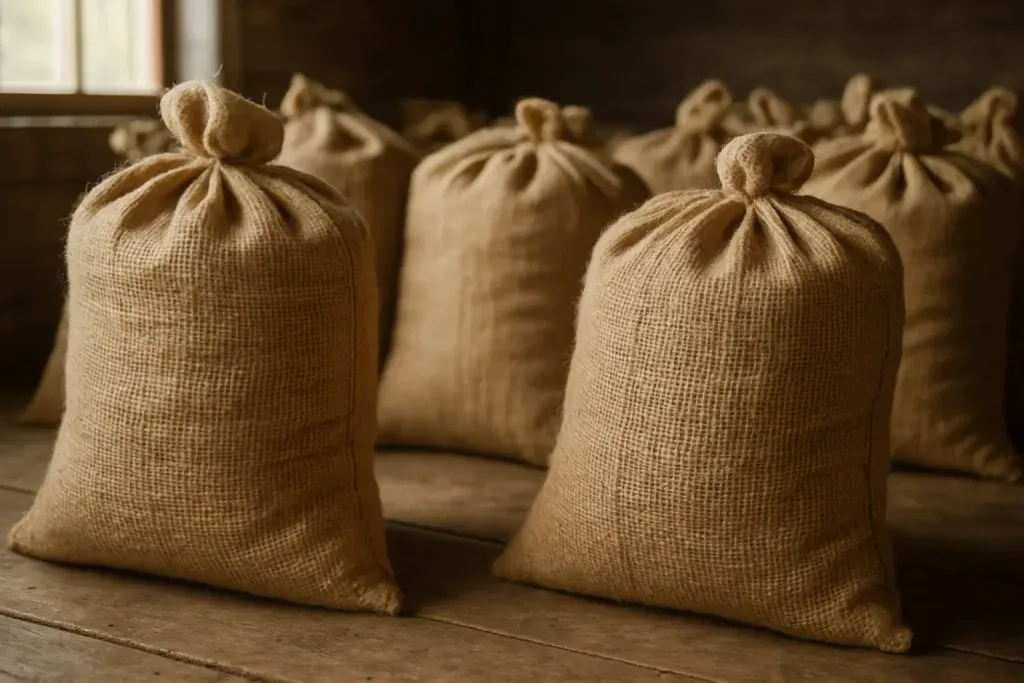
Traditional jute rice sacks (left) are made of coarse woven fabric, offering breathability.
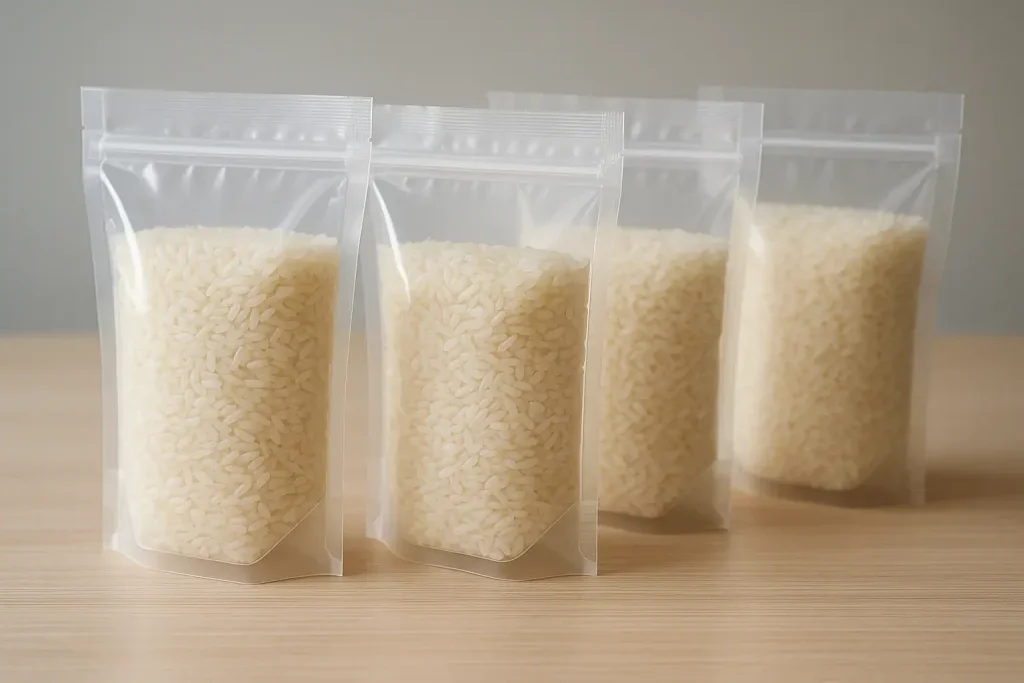
Modern rice pouches (right) often use multi-layer plastic films to seal out moisture and let consumers see the grain.
Rice can be packaged in either natural fiber sacks or plastic film pouches. Common comparisons include:
Jute/Cotton Sacks: These are heavy, coarse burlap or canvas bags historically used for grains. They provide natural ventilation which helps prevent mold. Jute bags are reusable and biodegradable, but they require a dry environment or inner liners because they do not fully block moisture. They are popular in some regions for bulk or ceremonial uses.
Plastic Pouches & Sacks: These use synthetic materials (PP, PE, PET) in multilayer films. Plastic bags can be made airtight and even transparent. They offer excellent protection from moisture, insects and oxidation. For example, many retail rice packages use laminated plastic films with colorful printing to attract buyers. However, once a plastic bag is punctured or opened, it no longer shields the rice. Plastic sacks are less eco-friendly but are easy to sanitize and handle.
Today’s rice suppliers often advertise both types, offering customers a choice. For instance, bulk rice “bags for sale” may list durable jute sacks for traditional markets or laminated polypropylene bags for export. The term rice bag fabric is sometimes used to describe the woven polypropylene material of modern sacks.
Cultural Tradition: Komebukuro
In Japan, a komebukuro is a small handcrafted cotton pouch specifically used to carry rice offerings. The name comes from kome (rice) + bukuro (bag). Historically, farmers would fill these bags with uncooked rice and bring them to temples during festivals and ceremonies as offerings. Komebukuro are often made of indigo-dyed fabric and stitched with a drawstring closure. Each carries cultural significance: it symbolizes gratitude for the rice harvest and is treated with care. While komebukuro are no longer used for commercial packaging, they highlight the importance of rice in cultural contexts.
Rice Packaging Machinery and Suppliers
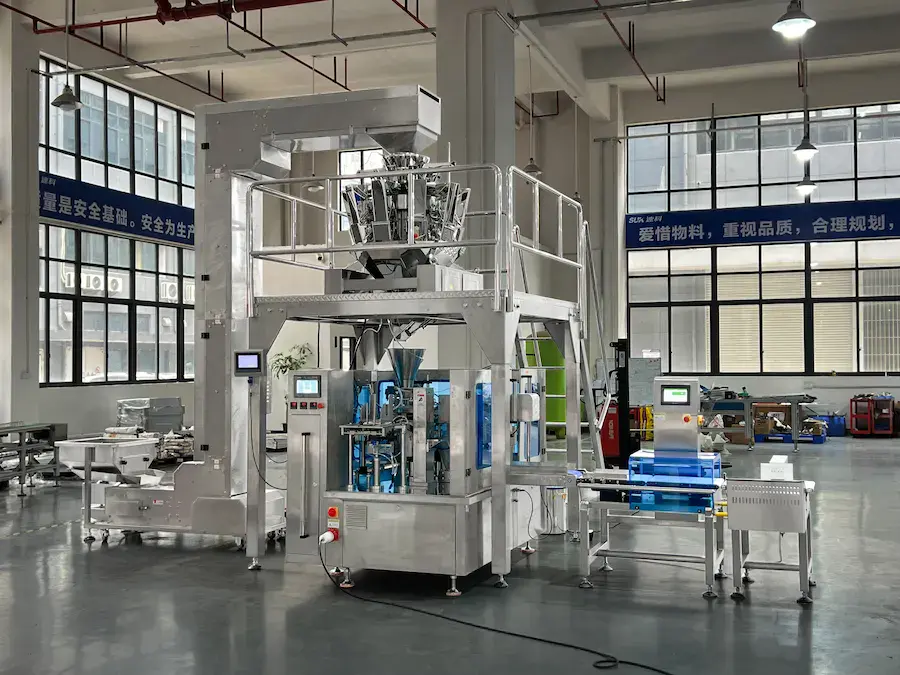
Modern rice packing is largely automated. High-speed machines can weigh, fill, and seal rice into bags with minimal human labor. For example, manufacturers like ANON advertise rice packing machines that perform high-speed, quantitative filling with adjustable packaging modes for different bag sizes. Similarly, companies such as Viking Masek produce vertical form-fill-seal (VFFS) baggers designed for dusty granular products (beans, rice, pasta). These machines have enclosed drives to prevent dust interference and can be integrated with multihead weighers, checkweighers, and metal detectors. Equipment makers like Yundu offer volumetric and combination fillers specifically for rice and beans, which can feed product into jars, pouches or pre-made bags at high speeds. Yundu’s systems integrate with VFFS/HFFS machines to ensure accurate, fast filling.
Steps to Choose a Rice Packing Machine:
Step1: Define Capacity
Determine daily output and bag weight range (e.g. 1–50 kg sacks). Ensure the machine speed meets production targets.
Step 2: Select Bag Style
Choose compatible equipment for your chosen bag type (open-mouth sacks vs. pillow bags vs. pre-made pouches). Some machines handle multiple styles with change parts.
Step 3: Consider Weighing Method
For precise fills, decide between multihead weighers, volumetric cups, or loss-in-weight systems. Match accuracy to product (e.g. free-flowing vs. sticky rice).
Step 4: Check Material Flow
Rice flowability and dust can affect design. Ensure the machine has features like dust-tight drives if needed.
Step 5: Review Automation & Controls
Look for PLC controls, quick changeovers, and recipe storage for different bag formats. Compatibility with conveyors and printers is important.
Step 6: After-Sale Support
Evaluate supplier reputation, spare-parts availability, and service. Inquire about performance with rice to avoid costly troubleshooting.
By following these steps, rice processors can select machines that reduce labor and maintain high throughput.
Best Practices for Bulk Rice Packaging
Packing bulk rice (for wholesale or industrial use) requires extra care to protect large quantities. Key best practices include:
Moisture Control: Keep rice below about 14% moisture. Store and fill bags in a dry, cool environment. Excess humidity leads to mold and grain spoilage. Maintain relative humidity below 70% during packaging.
Use Durable Containers: Heavy-duty PP woven sacks (or FIBC “big bags”) with liners are ideal for bulk rice. These bags resist tearing and, when combined with inner plastic liners, block moisture. For smaller “retail bulk” packs, laminated multi-layer pouches are best.
Oxygen and Pest Management: To achieve “best bulk rice” quality, exclude oxygen. Vacuum-pack rice in smaller batches or include oxygen absorbers in bags. Since oxygen enables insects and mold, oxygen scavengers can greatly extend shelf life. Treating grain (freezing or heat) before packing can kill insect eggs.
Temperature Stability: Store packed rice in a cool place. Fluctuating or high temperatures accelerate spoilage and condensation risk.
Labeling and Traceability: Clearly label each bag with date, lot, and origin. Bulk exports should comply with food safety and customs requirements, often needing batch tracking.
By controlling moisture, using airtight packaging, and keeping rice cool and clean, suppliers ensure large-quantity rice reaches customers in top condition.
Conclusion
Effective rice packing safeguards both food quality and business value. Choosing the right rice bag material (jute, woven PP, laminated film, etc.) depends on your needs for breathability, strength, and barrier protection. Understanding cultural packaging like Japan’s komebukuro highlights rice’s importance around the world. Today’s industry relies on automated packing machines to quickly fill sacks or pouches with precision. Finally, best practices—moisture control, pest elimination, and proper materials—are essential when packing rice in bulk. Applying these insights will help any rice producer or distributor pack and sell rice efficiently and safely.
Rice Packaging FAQ
Transparency is the cornerstone of our Yundu team. That’s why below, you can find the most common questions and answers we receive surrounding our rice packaging machine.
The best material depends on your needs: woven polypropylene (PP) offers excellent strength, moisture resistance, and affordability for bulk rice, while laminated BOPP/PE films provide superior barrier protection and premium printing for retail packs.
Select based on capacity (bags per hour), bag style (open-mouth vs. pillow vs. pouch), weighing method (multihead weigher vs. volumetric cup), dust control features, and after-sale support to ensure accurate fills and reliable operation.
Jute bags are biodegradable, breathable (reducing mold), and reusable, making them eco-friendly; however, they require inner liners or dry environments to prevent moisture penetration.
Plastic pouches (multi-layer films) are airtight, moisture-proof, and printable with vibrant graphics, but they’re less eco-friendly and lose barrier protection once opened; traditional sacks (jute/PP) offer better breathability and reusability.
A komebukuro is a small Japanese cotton drawstring bag used historically to carry rice offerings to Shinto shrines, symbolizing gratitude for the harvest.
Use heavy-duty PP woven big bags or FIBCs with inner liners, maintain rice moisture under 14%, include oxygen absorbers, store in cool, dry conditions, and seal bags tightly to block pests and humidity.
Common commercial sizes range from 1 kg to 50 kg: 1–5 kg for retail pouches, 10–25 kg for small bulk, and 25–50 kg woven sacks for wholesale or institutional use.
Laminated film bags are difficult to recycle due to mixed layers; PP woven sacks can be down-cycled into industrial mats or reused; pure PE or PET mono-layer pouches are more readily recyclable where facilities exist.
Oxygen absorbers remove residual oxygen in sealed bags, inhibiting mold growth and insect infestation, thereby extending shelf life—critical for long-term or export storage.
Perform daily cleaning of contact parts, weekly inspection of seals and belts, and quarterly preventive maintenance on motors and sensors to ensure consistent fill accuracy and avoid downtime.