Liquid Viscosity in Packaging Machinery: Flow Behavior and Equipment

Table of Contents

Viscosity is a fundamental fluid property that measures a liquid’s resistance to flow. In packaging applications, viscosity governs how easily a liquid moves through pipes, nozzles, and pumps. Liquids with low viscosity flow quickly and require minimal force, while highly viscous fluids resist motion and need specialized equipment. Understanding viscosity is crucial for selecting the right packaging machinery and ensuring efficient filling, as it directly impacts flow rate and machine performance.

Viscosity Levels and Flow Behavior

10 mPa·s (Very Low Viscosity)

10 mPa·s (Very Low Viscosity)Liquids at this level flow almost freely, like water or light solvents. The flow is rapid and nearly laminar, allowing high-speed filling. Packaging machinery such as gravity fillers or flow-meter fillers handle these fluids easily, achieving fast fill rates with minimal pump pressure.

100 mPa·s (Low Viscosity)
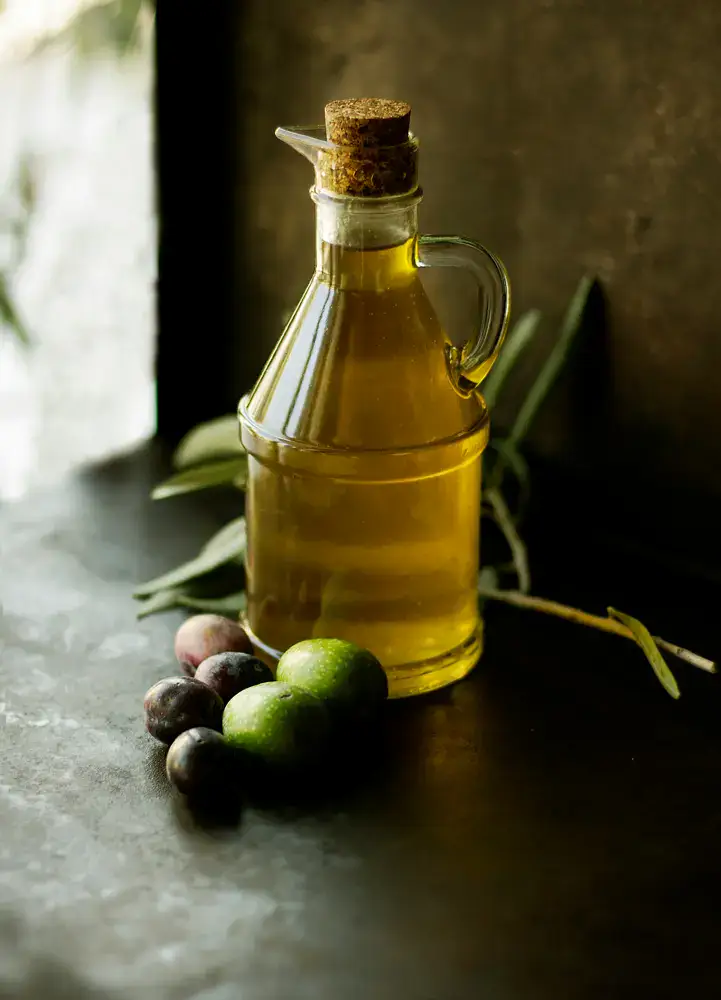
100 mPa·s (Low Viscosity)These liquids are slightly thicker (for example, light cooking oil or thin syrup) but still flow readily. The flow rate remains high, though a pump or pressure valve may be used to control dispensing. Standard volumetric or timed fillers are adequate. Packaging lines often use small-diameter nozzles and moderate pressure to ensure accurate filling.

500 mPa·s (Moderate Viscosity)

At this level, liquids like heavy motor oil or typical syrup become noticeably resistant. The flow slows under gravity. Packaging machines switch to positive-displacement pumps such as gear pumps or lobe pumps to maintain consistent flow. Filling speeds are reduced to prevent splashing and ensure the container is filled completely.

1000 mPa·s (Moderately High Viscosity)

Liquids similar to glycerin or thick sauces are in this range. Substantially more force is needed to move these fluids. Flow is sluggish under gravity. Packaging equipment typically involves piston fillers or pressurized systems that can exert greater force. Fill operations must be slower and carefully controlled for accuracy.

5000 mPa·s (High Viscosity)

Examples include molasses or heavy cream. These fluids flow very slowly and often require assistance. Packaging machinery uses high-torque pumps, heavy-duty piston systems, or progressive cavity pumps. Flow rates are low and fill cycles are long; large nozzles and slow stroking mechanisms help dispense the product.

10000 mPa·s (Very High Viscosity)

10000 mPa·s (Very High Viscosity)Liquids such as thick honey or cold glycerin fall in this category. These products barely flow on their own. Packaging must use specialized high-pressure piston pumps or progressive cavity pumps to force the fluid. Often the product is warmed or agitated to lower its viscosity before filling. Fillers use wide nozzles and slow, high-force cycles to ensure accurate dispensing.

100000 mPa·s (Extremely High Viscosity)

This range covers paste-like materials, such as peanut butter or very thick creams. The flow is extremely slow and nearly imperceptible. Packaging requires powerful piston or drum fillers that can push or drag the material. Fill speeds are very slow and equipment must handle high back-pressure to force the product into containers.

300000 mPa·s (Near-Solid Consistency)

Liquids at this level behave almost like solids (for example, tar-like adhesives or heavy putty). They will not flow without enormous pressure. In packaging, these products often use plunger, screw dispenser, or extruder systems. Specialized gear pumps or screw feeders apply the necessary force. The process is very slow and carefully controlled for consistency.

Each increase in viscosity dramatically reduces flow rate and demands more robust machinery. Low-viscosity fluids allow high-speed filling with minimal pressure, while thick products require positive-displacement pumps and careful control. For example, water-thin liquids often use gravity or overflow fillers for quick fill cycles, whereas viscous syrups and creams need piston or progressive-cavity fillers. Matching equipment to viscosity prevents issues like incomplete fills, clogging, or excessive wear on equipment.

Packaging Equipment for Different Viscosities

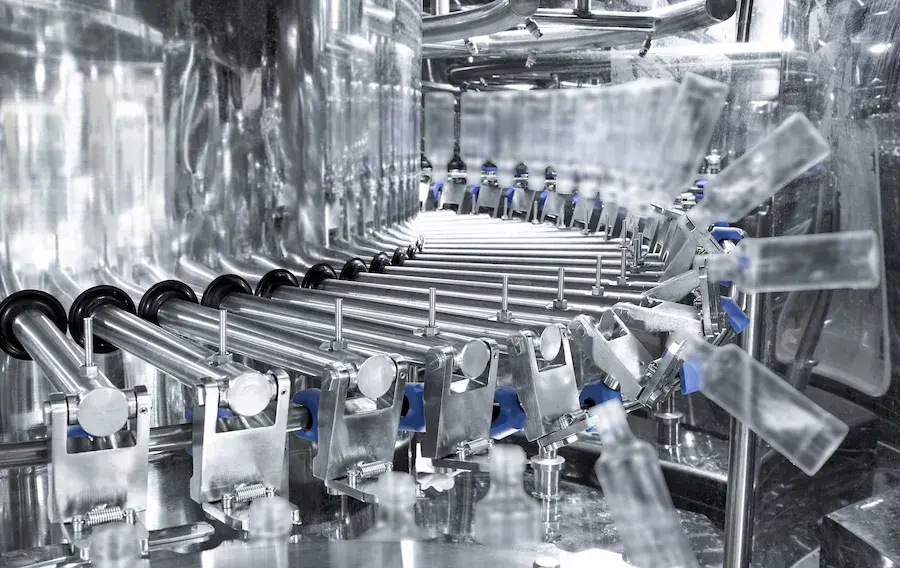
In packaging, machines are selected based on fluid viscosity. Low-viscosity liquids (10–100 mPa·s) are handled by high-speed volumetric or gravity-flow fillers that use minimal pump pressure. Mid-viscosity liquids (500–1000 mPa·s) often use gear pumps, lobe pumps, or timed-pressure fillers to meter flow accurately. High-viscosity liquids (5000 mPa·s and above) require positive-displacement equipment such as piston fillers, progressive cavity pumps, or peristaltic pumps. These machines push viscous fluids through wide nozzles with slow, controlled fill cycles to prevent air entrapment and ensure complete dispensing.

Temperature control and agitation often assist packaging. Thicker fluids may be heated or stirred in the hopper to reduce viscosity before filling. Many viscous products become thinner under agitation (shear-thinning), which eases the pumping process. By matching pump type, nozzle size, and fill speed to the liquid’s viscosity, manufacturers achieve efficient, accurate filling even for very thick products.

Liquid Viscosity FAQ

Transparency is the cornerstone of our Yundu team. That’s why below, you can find the most common questions and answers we receive surrounding our liquid viscosity.

Viscosity is a measure of a liquid’s internal resistance to flow (its “thickness”). It is commonly measured in units of millipascal-seconds (mPa·s) or centipoise (cP). A higher viscosity means a thicker fluid that flows more slowly. Viscosity is measured using instruments like viscometers or rheometers, which apply force to a fluid and record its resistance.

Viscosity determines how a liquid moves through pipes, pumps, and fillers. In packaging, knowing a fluid’s viscosity is vital for selecting the right equipment. If a machine is not designed for the liquid’s viscosity, it can cause inaccurate fills, clogged nozzles, or excessive strain on the pump. Matching the machinery to the liquid’s viscosity ensures efficient, precise filling.

A higher viscosity means greater internal friction, which slows down flow under a given pressure. A low-viscosity liquid will flow quickly and fill containers rapidly, while a high-viscosity liquid flows slowly and takes longer to fill. To maintain a desired flow rate with viscous fluids, packaging systems often use higher pump pressure, larger pumps, or slower filling speeds.

Common examples span many products. Water is very low viscosity (about 1–5 mPa·s). Light oils and juices are low viscosity (around 50–100 mPa·s). Maple syrup or glycerin are moderately viscous (hundreds to a few thousand mPa·s). Honey and molasses are high viscosity (thousands of mPa·s). Peanut butter and thick creams are extremely high viscosity (hundreds of thousands of mPa·s). These illustrate how viscosity varies widely.

Free-flowing, low-viscosity liquids are typically handled by high-speed gravity or flow-meter fillers. Machines such as overflow fillers, gravity fillers, or high-speed rotary bottle fillers work well. They use simple pumps or even just gravity to achieve fast filling. These systems can fill many containers per minute because the fluid pours easily.

Thick, viscous liquids require positive-displacement fillers. Examples include piston fillers, gear pump fillers, and progressive cavity fillers. These machines mechanically push the liquid into containers. For instance, a piston filler can dispense a measured volume of thick syrup or cream by forcing the product out of a cylinder. Such fillers handle the high pressure needed for viscous products.

Viscosity can be lowered by heating the liquid or agitating it. Many production lines heat viscous products (like honey or oils) to reduce thickness during filling. Stirring or pumping the fluid also helps reduce viscosity temporarily. However, changes must preserve product quality. Proper temperature and mixing allow easier flow without altering the product’s properties.

Using equipment unsuited to a fluid’s viscosity causes problems. If a high-viscosity liquid is pumped with a low-pressure filler, it may barely flow or burn out the motor. If a low-viscosity liquid is pumped too slowly, it can foam, leak, or overflow. The result can be underfilled or overfilled containers, inconsistent fill levels, or downtime. Matching equipment to viscosity avoids these issues.

Newtonian fluids (like water or light oil) have a constant viscosity regardless of flow conditions. Non-Newtonian fluids (such as ketchup, yogurt, or some gels) change viscosity under shear stress. Many food and cosmetic products are shear-thinning: they become thinner when stirred or pumped. This behavior can aid packaging, as the fluid flows more easily under high shear.

Very viscous or paste-like products use specialized methods. Lines may use wide nozzles, slow fill cycles, and strong positive-displacement pumps (piston, gear, or screw fillers). In some cases, the product is slightly warmed or agitated beforehand. These measures, combined with robust machinery and careful control of fill rate, ensure accurate dispensing of extremely thick products.

Share The Post Now:
Picture of Hey there, I’m Daisy

Hey there, I’m Daisy

I’m the Sales manager of Yundu. We have been helping manufacturing industries increase their productivity and capacity with our advanced filling machines for over 20 years.
Have questions? Reach out to us, and we will provide you with a perfect solution.

Related Articles

Get Instant Quote

If you’d prefer, a representative from Yundu can contact you directly. Please provide the information below and a member of our sales team will contact you shortly. * fields are required.