 English
  Arabic
  Indonesian
  Vietnamese
  Malay
Malay  Thai
Thai  Korean
  Russian
  French
  Italian
  Japanese
  Portuguese
  Turkish
  Spanish
  A pyramid tea bag packing machine is an automated packaging system designed to create pyramid- or tetrahedron-shaped tea sachets. Unlike traditional flat tea bags, pyramid bags have a triangular 3D shape that allows whole-leaf teas, herbs, and botanicals more room to expand. Modern pyramid tea bag machines typically include precise dosing and bag-forming mechanisms under PLC (programmable logic controller) control. These machines automatically measure out loose tea, fill it into the inner filter bag, and then seal the pyramid sachet. After sealing, the line often wraps each sachet in an outer pouch or envelope. Automating these steps allows thousands of sachets to be packed per hour, far exceeding manual methods.
Key Features of Pyramid Tea Bag Packaging Machines
Pyramid tea bag machines combine weighing, filling, and sealing in one automated line. A typical machine uses electronic scales or multi-head weighers to dose tea accurately and vibratory or auger feeders to deliver it to the bag former. The inner pyramid bag is made of filter material (such as nylon mesh, biodegradable PLA, or non-woven fabric) and is formed into a tetrahedral shape. This inner bag is sealed ultrasonically for strong, hygienic seals and attractive shapes.
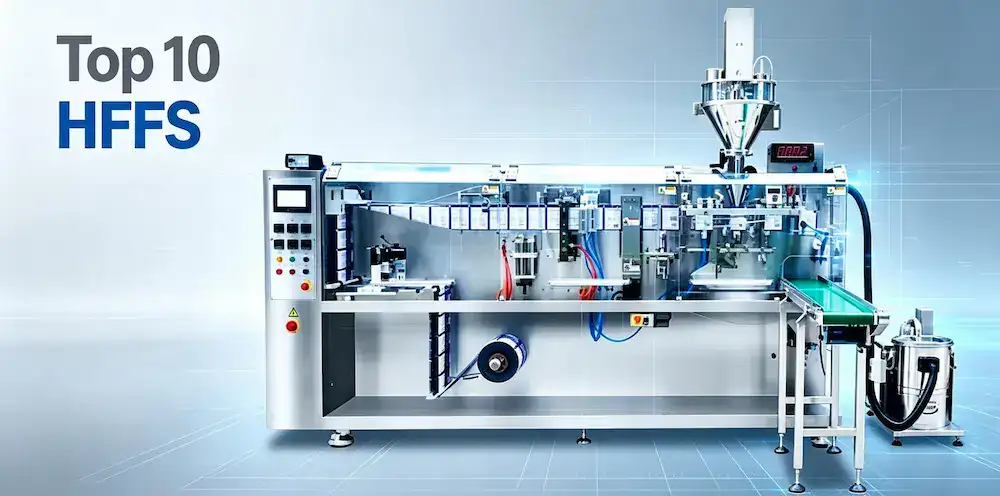
 Pyramid tea bag packaging machines (such as the Yundu model pictured) form and fill triangular tea sachets automatically. For example, one Yundu pyramid tea bag machine uses ultrasonic inner-bag sealing and can switch between triangular and flat bag styles with one button. It can combine up to six ingredients (tea, herbs, spices) in one sachet and control the fill weight to within ±0.2 grams. Many systems also integrate conveyors or pouch wrappers to output finished pyramid sachets continuously.
Key technical features include:
Versatile Bag Formats
Supports inner pyramid (3D) tea bags and flat pillow bags in the same machine. For example, one unit may fill pyramid sachets with or without an outer envelope, flat inner bags, or pyramid bags with attached tags. This flexibility eliminates the need for separate machines for different bag styles.
Precise Dosing
Electronic scales or volumetric feeders ensure each sachet has the correct weight (typically 1–20 g). The PLC control automatically adjusts the feed to minimize weight variance. Some machines (like Yundu’s) even have multiple hoppers to combine several ingredients in a single bag.
Ultrasonic Sealing
Inner bags are welded and trimmed by ultrasonic vibrations for a firm, hermetic seal. This avoids heat damage to the tea and yields a clear pouch that showcases the whole leaves inside.
High-Speed Output
Many pyramid machines can run 30–50 bags per minute, with multi-lane setups reaching thousands of bags per hour. For instance, Yundu’s machine operates at 30–50 packs/min (depending on bag weight).
Stainless Steel Construction
Built of 304 stainless steel for food safety, with servo drives for accurate film handling. Yundu, for example, uses 304 SS construction throughout its pyramid bagger.
Filter Media
Many machines can use nylon mesh, PLA (biodegradable), or paper filters for the inner bag. This allows flexibility in choosing eco-friendly materials or specialty fabrics.
Automation
Advanced controls let one operator oversee multiple lines, and integrated conveyors can feed finished sachets directly to cartoners or wrappers, maximizing efficiency. For example, one operator can run multiple lines at once (some manufacturers say up to 15 machines).
These features make pyramid tea bag machines highly automated and efficient. For example, a Yundu pyramid bagger is described as “high-efficiency” with a touchscreen PLC and precise weighing, enabling quick changeover between bag styles. In practice, a single pyramid packaging line can replace several older machines, improving consistency and throughput.
Advantages Over Traditional Tea Bag Packaging
Pyramid tea bag machines offer several key advantages versus traditional flat-bag equipment:
Higher Throughput
Automation dramatically increases speed. A top-tier pyramid packer can produce over 3,600 bags per hour. Typical machines run 30–50 bags/min (≈3,000+/hr), far more than manual filling, which greatly reduces labor costs per bag.
Consistent Quality
Machine-driven weighing and sealing ensure each sachet is uniform. Ultrasonic sealing yields consistent bag shapes and weights, giving a more “visually appealing” product with the same flavor every time. Precise dosing also cuts waste and rejects.
Labor Savings and Hygiene
Automating packing means less hand contact with tea and fewer operators needed. The stainless-steel, enclosed design meets sanitary standards, and built-in sensors/alarms improve safety and quality.
Versatility
These machines handle many tea types and sachet styles. They can switch between pyramid and flat sachets (or other formats) with minimal changeover. This versatility replaces multiple specialized machines.
Premium Packaging
Pyramid bags are seen as a luxury format. Their clear, pyramid shape showcases whole-leaf teas. Tea experts note that pyramid bags “maximize flavor and improve brewing” compared to flat bags. In contrast, flat bags have limited space, often requiring finely chopped leaves (lower-grade ingredients).
These advantages let tea producers run faster lines and deliver a higher-quality product. Brands using pyramid sachets offer customers an experience closer to loose-leaf brewing, without sacrificing flavor.
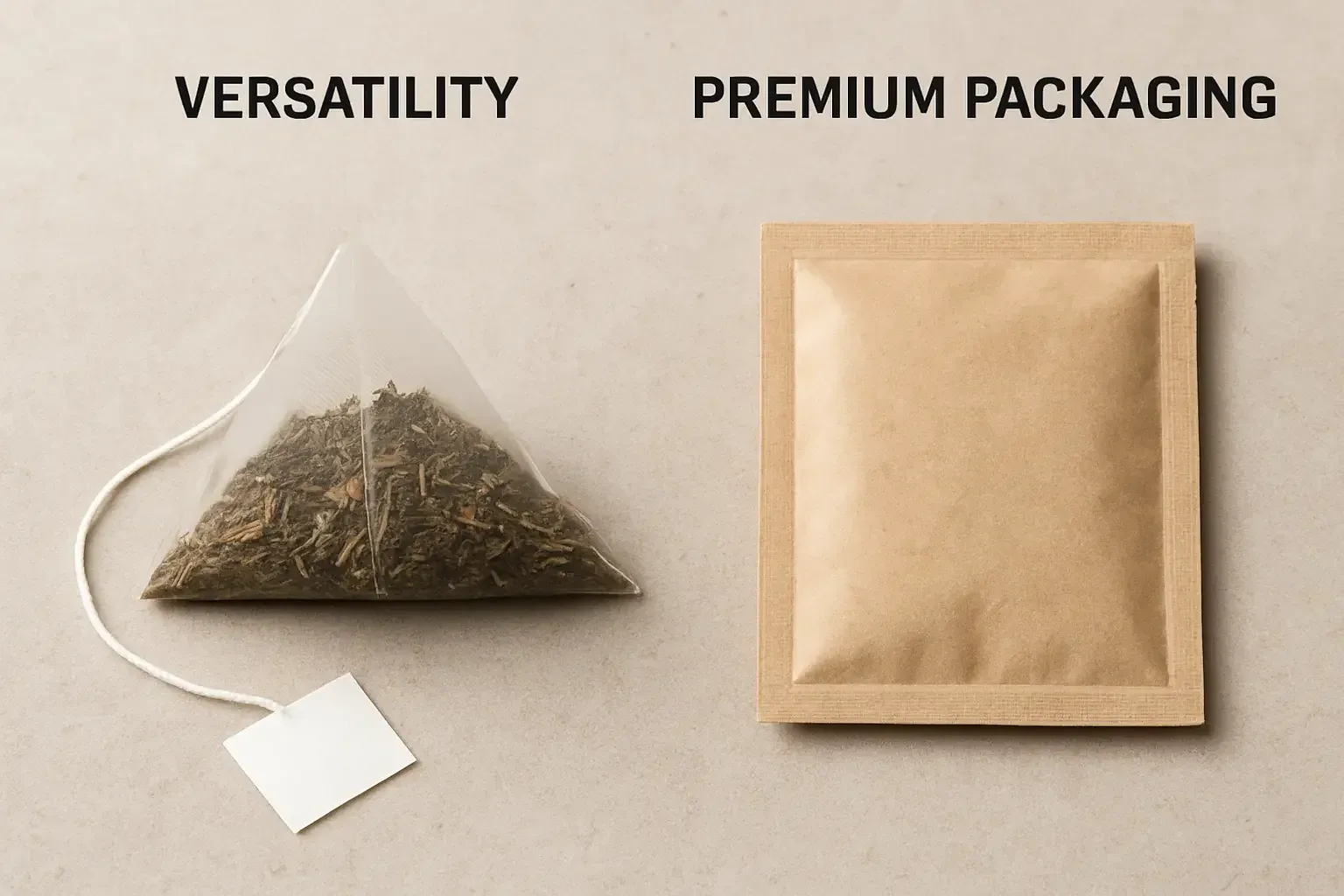 Pyramid tea bags (left) provide ample space for tea leaves to expand and release flavor, unlike flat bags (right) which confine the leaves. In a cup of tea, this means a stronger, more aromatic brew. Pyramid bags infuse quicker and more evenly than flat bags, improving the drinking experience.
For context, pyramid tea bags were first introduced in the 1990s to provide loose-leaf flavor in a convenient sachet. The specialized machines discussed here enable this premium packaging at industrial scale.