 English
  Arabic
  Indonesian
  Vietnamese
  Malay
Malay  Thai
Thai  Korean
  Russian
  French
  Italian
  Japanese
  Portuguese
  Turkish
  Spanish
 Pet food packaging machines are critical in the booming pet food market. According to industry forecasts, the global pet food packaging sector is expected to grow from $11.1 billion in 2023 to $14.9 billion by 2028. Modern packaging must do more than simply contain food — it must protect against contamination and preserve freshness. Equipment makers like Yundu emphasize machines built specifically for pet products (kibble, treats, jerky, etc.), including automated baggers and pouch fillers. This guide will help manufacturers, retailers, and pet food startups understand key types of pet food packaging machines, important features, cost factors, and the benefits of automation.

Why Packaging Matters in the Pet Food Industry
Good packaging is essential in pet food. It safeguards product quality (keeping food fresh and uncontaminated) and supports convenience. As one analyst notes, packaging “does more than just hold food” – it extends shelf life and provides ease of use (for example, resealable, sturdy bags that pet owners prefer). Well-designed packaging also helps products stand out on the shelf and builds consumer trust. In short, effective packaging keeps pet food safe and appealing, so choosing the right packaging machine directly affects product quality and brand reputation.
Types of Pet Food Packaging Machines
Filling Machines (Pet Food Filling Machines)
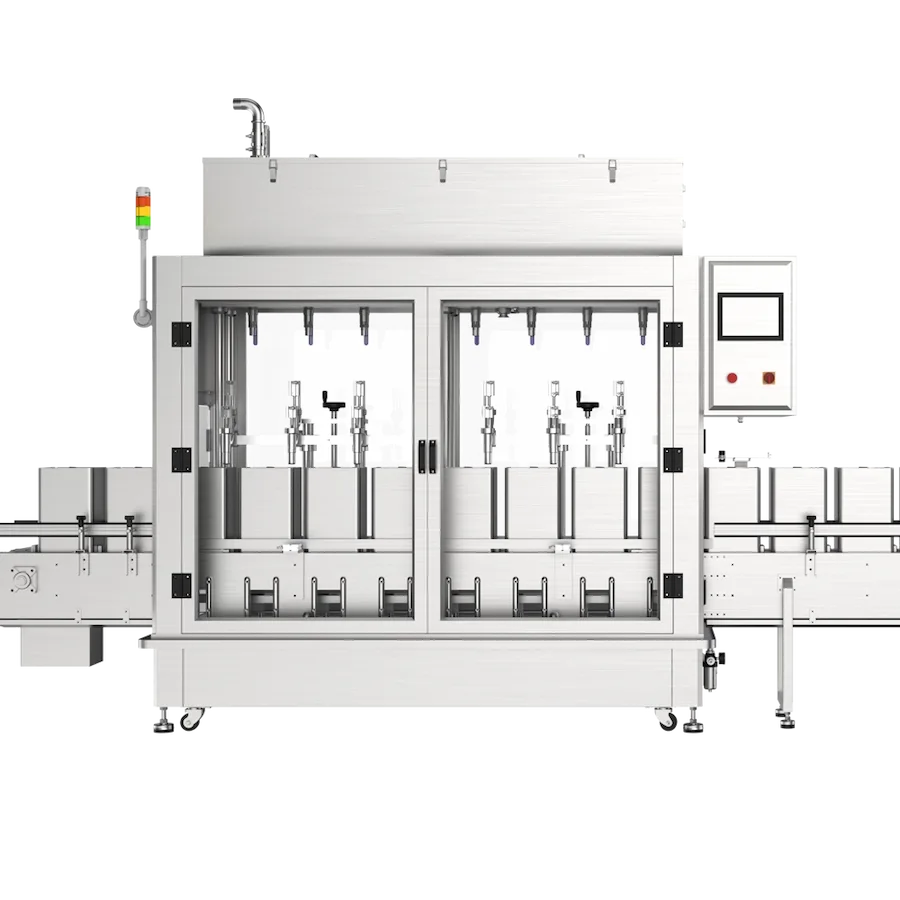
These machines (e.g. multi-head weighers, auger fillers) precisely weigh and dispense dry or wet pet food into packages. High-speed fillers can handle up to ~120 packages per minute, ensuring accurate portion control and minimal waste. They are used for a variety of packages, from stand-up pouches to trays and cans.
Bagging Machines (Pet Food Bagging Machines)
Baggers automate the process of filling pre-made bags. A pet food bagging machine opens a bag, fills it with product (such as dry kibble or treats), and seals it in one operation. These machines typically process on the order of 20–30 bags per minute. They are ideal for large sacks of dry food (10–50+ lb bags) and require the bags to be designed for the machine. In fact, heavy-duty bagging systems are often marketed as dog food packaging machines, since they must handle tough, heavy kibble bags with durable seals.
Form-Fill-Seal Machines (VFFS/HFFS)
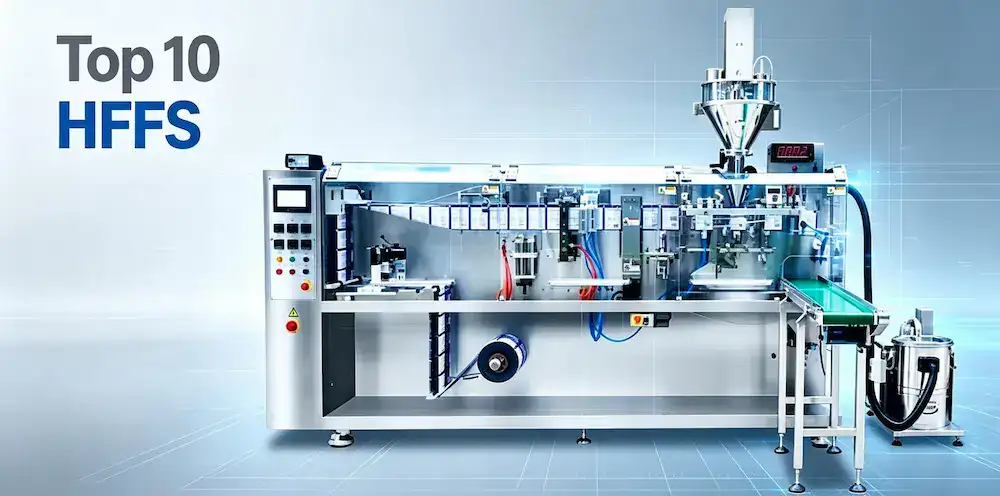
Form-fill-seal machines can work vertically (VFFS) or horizontally (HFFS) to form bags from roll stock film and fill them. VFFS machines are common for pet treats and kibble – they create standing pouches (with or without zippers) on the fly. HFFS machines are used for pillow packs or trays. These machines offer flexibility: one system can often switch between multiple bag sizes and styles. For example, vertical form-fill-seal baggers are widely used to pack pet treats and small animal food into sealed pouches.
Tray and Cup Sealers
For wet, semi-moist, or pâté-style pet foods, cup filling and sealing machines are common. These lines fill plastic or aluminum trays and then seal them with foil or film. Some cup fillers can process up to 180 cups per minute. Heat-seal or adhesive sealers ensure an airtight closure, which is especially important for wet canned or retort-packed pet foods.
Case Packing Machines
After individual packages are filled and sealed, case packers (also called case erectors/sealers) automatically form and close shipping cartons. They erect corrugated boxes and seal them, typically at speeds up to ~30 cases per minute. This protects the bagged or canned pet food during transport and warehousing.
Key Features to Consider When Choosing a Machine
Speed & Throughput: Match the machine’s capacity to your production volume. Entry-level machines may handle tens of packages per minute, while industrial-grade VFFS baggers can reach 50–60 bags (or bottles) per minute. If you plan to scale up, prioritize higher-speed models to avoid bottlenecks.
Flexibility & Format: Choose machines that can accommodate all your pet food formats (kibble bags, pouches, trays, bottles, etc.). Look for adjustable platforms or quick-change conveyors that allow various bag sizes and sealing styles. Machines that handle different film types and packaging materials will let you adapt as product lines evolve.
Durability & Hygiene: Pet food equipment should be built to last. Robust stainless steel construction, welded seams, and food-grade components resist corrosion and wear. Good machines are designed for easy cleaning (minimal nooks/traps) to meet food safety standards. Durable build quality means less downtime and fewer repairs over the life of the equipment.
Automation & Controls: Modern packaging machines offer user-friendly interfaces (touchscreen PLC controls) and servo-driven mechanisms. Features like automated film feeding, bag alignment, and self-adjusting tension save setup time. Simpler machines may be semi-automatic (requiring some operator intervention), whereas fully automatic systems run continuously with minimal human input. Evaluate the level of automation you need for your workforce and floor space.
Safety & Compliance: Ensure the equipment meets relevant certifications (CE, UL, etc.) and has safety features (guards, emergency stops). For pet food, the machine should comply with sanitary design guidelines to avoid product contamination. Some machines also include metal detectors or X-ray inspection integration to catch any foreign objects.
Cost Considerations
Machine Price: Packaging equipment ranges widely in cost depending on capacity and complexity. For example, a simple 25kg semi-automatic bagger may cost around $3,000–$4,500. In contrast, a high-speed vertical filler/sealer can be $10,000–$20,000 or more. Fully automated bottling or canning lines (which could be considered a type of “pet bottle packing machine”) are even pricier – one supplier lists a complete filling/capping line at roughly $50,000. Even within these ranges, price depends on speed, accuracy, and included features (e.g. weighing systems, labelers, conveyors).
Total Cost of Ownership: Don’t just look at the sticker price. Higher-end machines often deliver labor and efficiency savings that pay back the investment over time. As industry experts note, “while there’s an initial investment, the long-term savings from reduced labor costs and faster production times make these machines a smart choice”. Compare warranties, expected lifetime, and maintenance plans. Budget also for spare parts, which are usually less expensive for simpler machines.
Operating Costs: Consider space and utility requirements. Fully automated lines typically use more power and may need compressed air or custom installations. Factor in maintenance intervals and changeover labor. Often, a slightly more expensive machine with higher reliability and uptime can cost less per unit of production in the long run.
Benefits of Automating Pet Food Packaging
Automating pet food packaging brings clear advantages. Modern machines can package products faster and more consistently than manual methods. For example, automated lines “significantly reduce labor costs and packaging errors” compared to hand-packing. They also apply uniform sealing pressure and environmental controls, which help keep food fresh and sanitary. The overall effect is a more efficient operation that reliably meets demand.
Efficiency & Labor Savings: Automated machines can run continuously, which boosts output. Companies report that automating tasks like weighing, filling, and sealing eliminates repetitive labor. This means fewer errors (mis-weighed or spliced bags) and smoother, round-the-clock production.
Consistent Quality & Freshness: Precision sealing (heat or ultrasonic) and consistent fill levels help every package meet quality standards. Accurate portioning minimizes product giveaway or shortages. Tight seals and controlled packaging environments ensure the food’s nutritional value and shelf life are preserved.
Meeting Consumer Expectations: Automation enables advanced packaging features that customers love. For instance, machines can create resealable zipper pouches or apply clear branding labels, catering to pet owners who demand convenience and quality. As one source notes, today’s pet-food consumers want packaging that is hygienic and easy-to-use, and automated lines allow manufacturers to deliver exactly that.
Final Thoughts
Investing in the right pet food packaging machine can transform a business. Streamlined packaging lines mean safer, fresher products and a faster path from production to shelf. Industry specialists emphasize that pet food packaging equipment is “an essential investment” for manufacturers seeking efficiency and reliability. By choosing machinery that fits your product format and throughput needs, you can improve quality control, reduce costs, and stay competitive in a growing market. In the end, well-chosen packaging equipment helps ensure that pet food reaches consumers in top condition — and pets get to enjoy every meal.
Pet Food Packaging Machine FAQ
Transparency is the cornerstone of our Yundu team. That’s why below, you can find the most common questions and answers we receive surrounding our pet food packaging machine.
A pet food packaging machine is equipment designed to fill, seal, and label pet food products like kibble, treats, or wet food. It automates packaging to ensure freshness, hygiene, and consistent product quality while increasing efficiency for manufacturers, retailers, and pet food startups.
Investing in a pet food packaging machine reduces labor costs, increases production speed, and ensures consistent quality. Automated systems also improve food safety, extend shelf life, and help meet consumer demand for convenient, attractive, and hygienic packaging.
Common types include filling machines, bagging machines, form-fill-seal systems, cup/tray sealers, and case packers. The right choice depends on your product type (dry, wet, or treats), packaging format, and required production capacity.
A pet food bagging machine opens a pre-made bag, fills it with the measured product, and seals it. These machines handle various bag sizes and are especially useful for large sacks of dry kibble, ensuring secure seals and fast throughput.
The price of a pet bottle packing machine varies widely based on capacity and automation level, typically ranging from $3,000 for small semi-automatic units to over $50,000 for fully automated, high-speed lines with advanced features.
Yes. Most dog food packaging machines can handle other pet foods, such as cat kibble, birdseed, or small animal feed, provided the machine is configured for the product’s weight, texture, and packaging format.
Look for speed, flexibility, durable construction, easy cleaning, automation level, and safety compliance. Machines that can handle multiple packaging formats and materials offer more long-term adaptability as your product range evolves.
Pet food filling machines use precise weighing or volumetric measuring systems to ensure each package has the exact product amount. This reduces waste, prevents underfilling, and maintains consistent product quality for consumers.
Automation boosts speed, reduces labor costs, improves seal consistency, and maintains hygiene. It also supports high-volume production, allowing businesses to meet market demand and maintain a competitive edge while ensuring every package meets quality standards.
Regular maintenance includes cleaning contact parts, lubricating moving components, inspecting seals and belts, and updating software controls. Following manufacturer guidelines helps prevent breakdowns, extends machine life, and ensures compliance with food safety regulations.