How To Start A Pickle Packaging Business?

Table of Contents

The global pickle market is growing, with a value of $13.4 billion in 2020 and a projected CAGR of 3.5% through 2028. High-quality packaging is essential to preserving pickle freshness, flavor, and safety while differentiating products on the shelf. Today’s pickle producers – from large food processors to artisanal makers – increasingly rely on automated packaging equipment to boost throughput, ensure consistency, and extend shelf life. Modern pickle packaging lines can handle a variety of containers (jars, bottles, cans, flexible pouches) and materials (glass, plastic, metal) using advanced filling, sealing, and labeling machinery. By choosing the right packaging format and equipment, manufacturers maximize efficiency, meet food-safety standards, and respond to market demands.

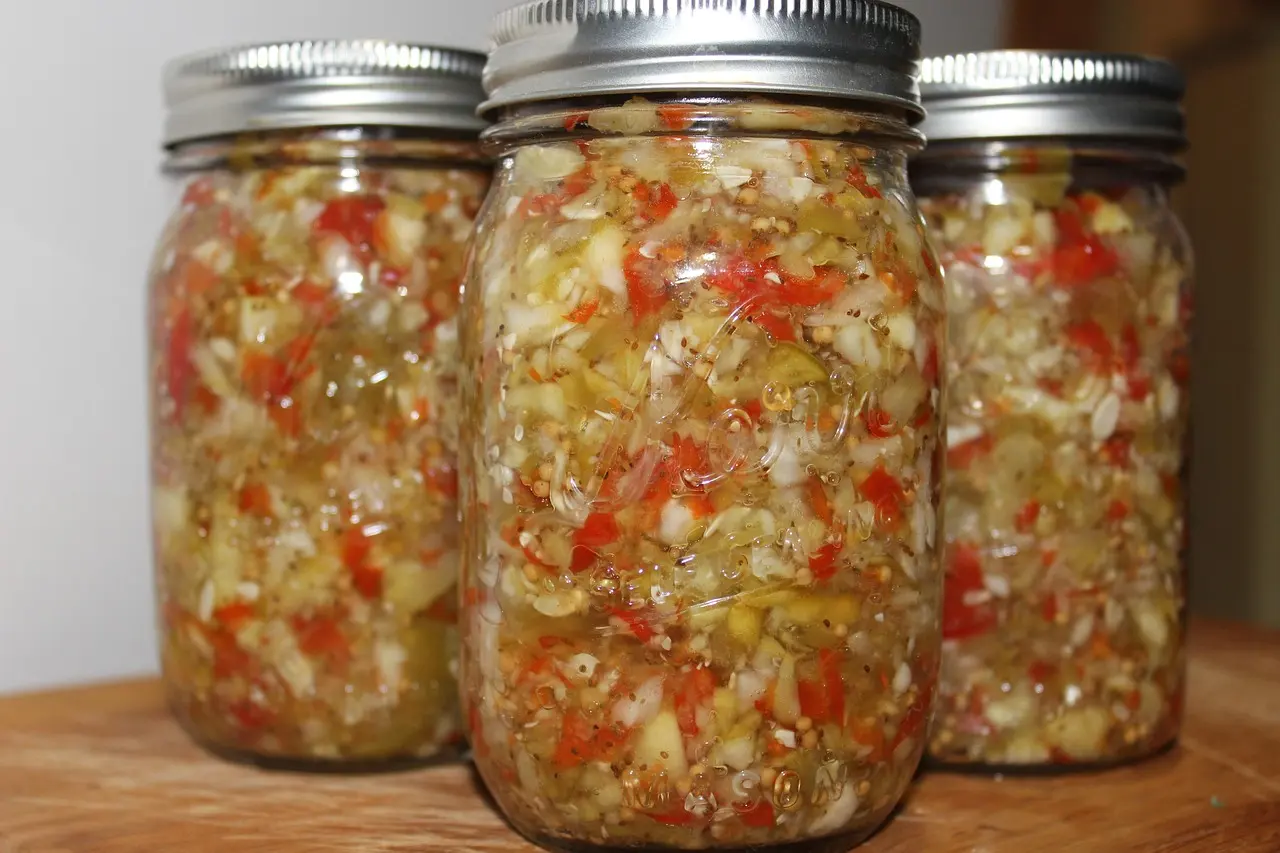
Pickle packaging method, various types of pickle are bottled and sold

Packaging Materials and Formats

Glass jars

By far the most common pickle container is the glass jar. Glass is non-porous, impermeable, and chemically inert, so it does not absorb flavors or leach substances into the acidic brine. This preserves the pickle’s flavor and aroma. Glass is also recyclable (in fact infinitely reusable) and consumer-preferred for its clarity. As TricorBraun notes, “Pickles and olives… always use glass jars for their containers,” partly because “the acidity of pickle juice wouldn’t do well in plastic”. Glass jars typically use metal screw lids with tamper-evident seals. They work well for both shelf-stable processed pickles and refrigerated fermented pickles.

Plastic containers

Rigid plastic jars or bottles are also used, especially for refrigerated pickles or large-volume products. Food-grade plastics like PET, HDPE or PP are lightweight, unbreakable, and shatterproof – advantages for shipping and handling. BPA-free plastic is generally safe for acidic foods, though plastics are slightly more permeable than glass and can absorb odors over time. Plastic is often favored for bulk or commercial packaging where weight is a concern. However, plastic jars have trade-offs: they aren’t infinitely recyclable like glass and can attract consumer criticism if not fully recyclable. Many brands use a hybrid approach (glass for retail, plastic bulk jars). Transparent PET jars do allow consumers to see the pickles, similar to glass.

Cans and metal containers

Some industrial-scale pickle producers use tin-plated steel cans (like those for low-acid canned goods) or aluminum cans. These are always lined with a food-safe coating to prevent corrosion from vinegar. A fully-sealed can is hermetic and can extend shelf-life via thermal processing. Seamerco’s overview of canned pickles notes that filled cans are “securely sealed… to maintain freshness and prevent contamination,” typically using vacuum or heat sealing. The sealed cans then undergo pasteurization/sterilization by heating to kill microbes. Metal cans are ideal for very high-speed canning lines, but the equipment is complex and mostly used by large food factories. Aluminum or other reactive metals (like brass or copper) cannot be used for pickles unless protected by an inert lining, because vinegar corrodes those metals and can contaminate the food.

Flexible pouches (stand-up pouches/doypacks)

In recent years, some pickle makers have used laminated stand-up pouches or pouch packs for small portions, “dips,” or sauces. These heat-sealed plastic pouches (often polyethylene/foil laminate) reduce material use and shipping weight. Pouches can be filled and sealed quickly on vertical form-fill-seal machines. Honor Pack, for example, highlights packing pickles into doypacks to achieve “high volumes in small pouch” format. Pouches are less common for whole pickles due to puncture risk, but are used for slice or mince pickle products. Flexible pouches are generally not as recyclable as rigid containers, so producers weigh this sustainability aspect.

Automated Pickle Packaging Machines

Modern pickle packaging relies on an integrated line of automated machines to handle filling, capping, labeling, and packing. These machines drastically increase output and consistency compared to hand-packing. For example, an automatic pickle packing machine is designed to “package pickled foods… in various forms,” combining precision weighing/filling, coding, sealing, and labeling. It can adapt to different container types (glass jars, plastic bottles, pouches) by changing parts. By automating these steps, producers “increase production efficiency, reduce labor costs, and ensure that pickles are properly sealed… helping extend their shelf life and maintain quality”.

Fully automated bottling line

canning line

Key pieces of equipment include:

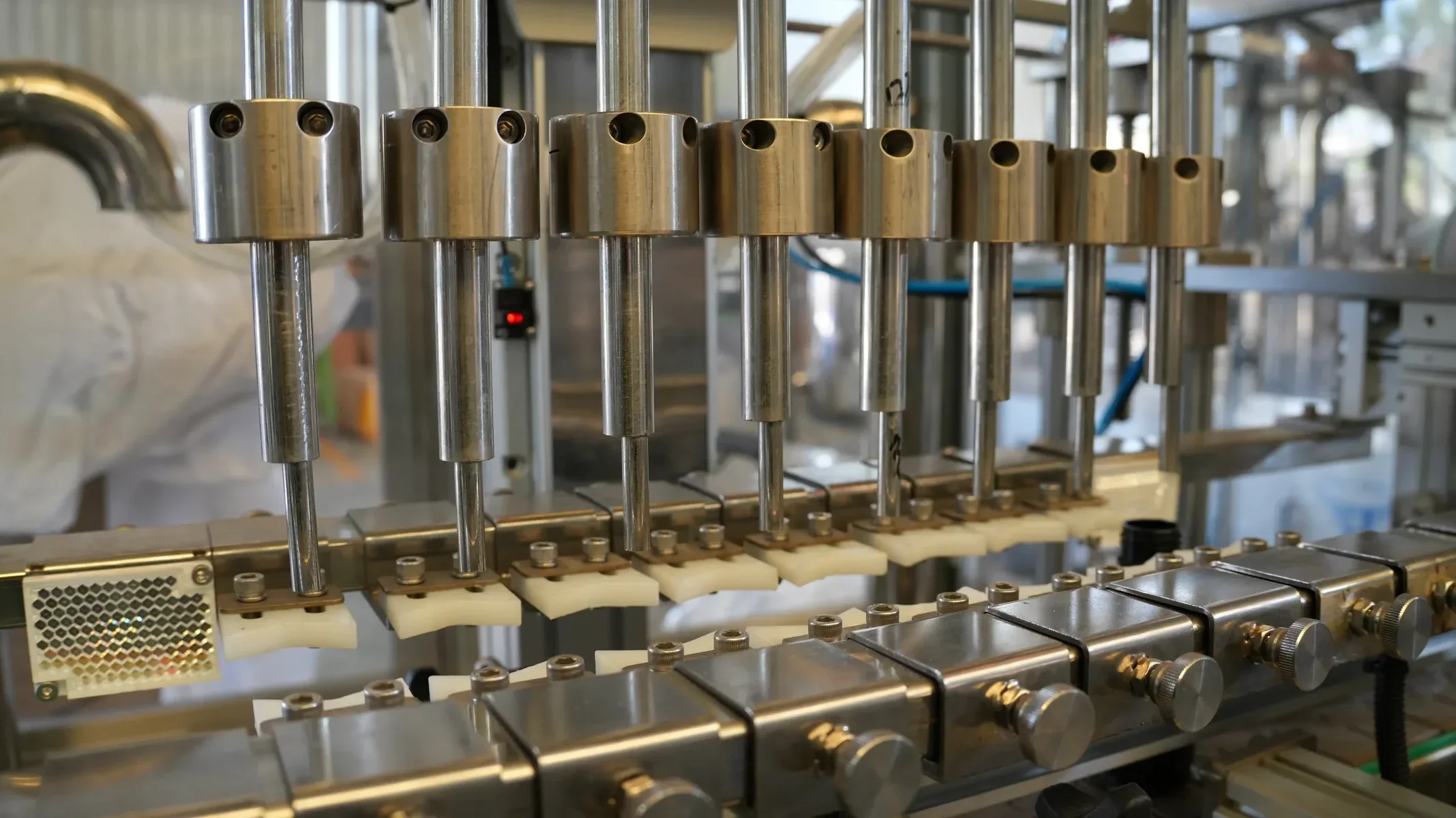
  • Jar Filling Machines. Automatic jar fillers dispense pickles and brine into containers. These may be volumetric or vacuum fillers calibrated to a set weight or volume. The adjustable filling system ensures consistent fill levels to minimize waste. High-end fillers often integrate cleaning and sanitation features (e.g. stainless-steel contact parts, CIP cleaning). Filling speed varies by model, but can range from a few dozen to several hundred jars per minute in a fully automated line. Fillers are critical for accuracy and speed in high-volume production.

  • Jar Sealing and Capping Machines. After filling, lids must be applied and hermetically sealed. Automatic capping machines place caps or lids and tighten them (for screw-tops) or seam cans shut. Seamerco notes that filled pickles are “securely sealed… utilizing techniques such as vacuum sealing or heat sealing” to create an airtight container. In jar lines, this often means screw capping plus an induction or pressure seal liner. Tight seals prevent contamination and leakage, so the pickles stay fresh. Workers might also pass jars through a pasteurization tunnel or retort after sealing (common for shelf-stable canned pickles).

  • Pouch Packing Machines. For pickle products in flexible packs, vertical form-fill-seal (VFFS) machines or pre-made pouch fillers are used. These machines form pouches from film, fill them with pickles and brine, then seal them. Aahaas’s news article describes pickle machines handling “glass jars, plastic containers, and pouches,” with high-speed capability for consistent packaging. Pouch machines are ideal for salad bar tubs, single-serve dips, and smaller-batch specialty items. They are usually simpler and smaller-scale than jar lines, making them attractive to small businesses.

  • Labeling Machines. Labels (paper or shrink sleeves) are applied to each container by automated labelers. High-speed wraparound or tamp (pressure-applicator) labelers affix branding and product information. Accurate labeling ensures compliance and branding consistency. While not unique to pickles, integrated labeling is part of a turnkey packaging line.

  • Integrated Packaging Lines. Large pickle producers often use fully integrated packaging lines: conveyors link the filler, capper, labeler, and case-packer. Sensors and PLC controls ensure smooth operation. Custom packaging solutions can combine different machines to meet specific needs. As one equipment supplier notes, “we offer custom packaging lines… to efficiently package pickles and other foods in tin cans and glass jars” (Levapack, paraphrased).

By investing in automation, producers can scale up production. For example, a manufacturer notes that an automated pickle packing machine offers “high-speed packaging capabilities” and flexibility for various pickle types, greatly increasing output while maintaining quality. Small entrepreneurs can start with simpler semi-automatic fillers or tabletop machines and upgrade over time. In all cases, the goal is to keep pickles moving from brine to market in a fast, reliable way while ensuring each jar is correctly filled and sealed.

Selecting the Right Packaging Machinery

Choosing the best machines requires balancing performance, cost, and future growth. Key criteria include:

Efficiency and Throughput

How many jars or pouches per minute does the machine handle? High-volume operations need high-speed fillers (often 30–100+ jars/minute) to meet demand. Evaluate machines on packages-per-minute (PPM) and consider future increases. As a packaging guide explains, “the speed of a packaging machine directly impacts your production efficiency… high-output operations… require machinery capable of rapid throughput”. Ensure the machine’s maximum speed aligns with your target output.

Flexibility and Scalability

Can the machine adapt to different sizes, formats, or products? A flexible design (adjustable part changeovers) lets you switch jar sizes or packaging styles without buying new equipment. Many modern machines are modular, allowing add-ons or upgrades (e.g. adding a labeling station later). According to industry experts, “the ability to customize your machine’s output—adjusting to different package sizes, materials, or product types—is crucial”. Choose suppliers known for customizable designs so your line can grow with your business.

Build Quality and Durability

Food packaging equipment should be industrial-grade stainless steel and robustly built. Heavy-duty machines withstand continuous operation with minimal breakdowns. Durable construction reduces downtime and maintenance costs over time. Look for reputable manufacturers with a track record in food processing. A well-built machine may cost more upfront but often delivers a faster return on investment through reliability.

Automation and Ease of Use

Higher automation reduces labor. Automated feeders, servo controls, and touchscreens make operations smoother. A packaging guide emphasizes that automation “significantly reduces labor costs and increases production speed”. User-friendly controls and minimal manual intervention are especially important for small businesses that may not have specialized technicians. Consider machines with simple programming and safety features (guards, sensors).

Maintenance and Technical Support

Routine cleaning and occasional repairs are inevitable. Choose manufacturers who provide spare parts, training, and responsive technical support. As one buying guide notes, it’s important to “work with suppliers that provide strong after-sales support, including easy access to spare parts and fast response times for technical issues”. If possible, see if the supplier offers service contracts or local maintenance.

Cost and Return on Investment

Packaging machines can be a large capital expense. Compare upfront cost versus long-term savings. More advanced, fully automated lines cost more, but they often pay back quickly through labor reduction and higher throughput. Simple semi-automatic fillers are cheaper but slower. Calculate total cost of ownership, including energy and expected maintenance, to choose the best value machine for your scale.

Food Safety Features

For any food packaging machine, hygienic design is vital. Machines should have stainless steel parts, easy-to-clean surfaces, and guards to prevent contamination. In pickle packaging, certain features (like CIP cleaning ability or sanitary design) ensure that the machine does not introduce contaminants into the product. A well-designed pickle packaging machine “prioritizes hygiene and food safety” with easy-to-clean components and meets high sanitation standards. Confirm the equipment meets relevant food-safety certifications (e.g. CE, UL) and good manufacturing practices (GMP).

By carefully assessing these factors and discussing your needs with equipment suppliers, you can select packaging machines that optimize efficiency, quality, and flexibility.

Food Safety and Preservation Considerations

Pickles are high-acid foods (typically pH < 4.6), so packaging must keep out contaminants and prevent spoilage. Key considerations include:

  1. Container Reactivity. Never use reactive metals (like copper, brass, aluminum, or unlined iron) for pickling containers. Vinegar will leach metals, causing discoloration, off-flavors, or even toxicity. Extension experts strongly advise: “Do not use aluminum, copper, brass, galvanized or iron containers for fermenting pickles or sauerkraut”. Always use food-grade non-reactive vessels – glass, food-grade plastic, or properly lined metal cans – for any pickling or storage.

  2. Proper Sealing. After filling, each container must be sealed airtight. This can involve screw-top lids with liners, induction seals, or metal can seaming. Effective sealing prevents oxygen, yeast, or pathogens from entering. In industrial canning, heat-sealed lids and a final vacuum seal are used. Seamerco notes that sealed jars/cans undergo “pasteurization or sterilization” at high heat to kill bacteria. For home or small-scale production, standard water-bath or pressure-canning methods ensure a safe vacuum. On an automated line, jar seaming machines and continuous flow retorts (for jars) achieve these steps.

  3. Sanitation and Hygiene. Throughout packaging, maintain sanitary conditions. Packaging lines should be cleaned regularly. As mentioned, machines with easy-to-clean parts help prevent contamination. Ingredients (vegetables, brine, spices) must be inspected for quality. Many producers include a brine filtration or pasteurization step before filling. Stringent quality control (checking jar fill weights, pH levels, lid seal integrity) ensures that each batch meets safety standards.

  4. Preservation Methods. Pickling itself is a preservation method: salt and acid inhibit spoilage microorganisms. However, for longer shelf stability, many commercial pickles are hot-filled and then pasteurized. For example, after sealing, containers can be heated (either in a retort or hot water bath) and then cooled to lock in the vacuum. Seamerco’s process describes heating (e.g. 30+ minutes at specific temperature) to destroy bacteria. The jars are then rapidly cooled to preserve crispness. These thermal steps are crucial for shelf-life; if pickles are not heat-processed, they should be refrigerated.

  5. Temperature and Storage. After packaging, pickles stored at room temperature should have undergone proper canning. Refrigerated pickles (often raw-pack fermented dill pickles) are simply chilled without heat-processing but have a shorter shelf life. The chosen packaging machine should be capable of handling both scenarios (e.g. just sealing or sealing plus heat). Always label accordingly.

Adhering to these safety and preservation practices ensures the final pickle product is safe, delicious, and has the intended shelf life.

Sustainable Packaging Considerations

Environmental impact is an increasingly important concern. Glass jars lead in sustainability for pickles because they are made from natural materials and are endlessly recyclable. Many brands emphasize reusable glass (consumers can reuse jars) and recycled content. Plastic is lighter (reducing transport emissions) but is not infinitely recyclable. Using PET with high recycled content or designing for easy recycling can mitigate plastic’s footprint. Biodegradable options (like compostable pouches or bio-based plastics) are emerging, but not yet widespread for wet, acidic foods.

When choosing packaging, consider end-of-life and sourcing: glass or aluminum lids are broadly recycled, whereas multilayer pouches may end up in landfill. To be sustainable, some producers encourage jar return programs or use minimal packaging. Also, optimize packaging size to reduce material: selling pickles in bulk containers or multiple sizes helps prevent waste. Ultimately, the most sustainable choice balances material impact, recyclability, and product protection. Glass jars are often highlighted as an eco-friendly solution for pickles because they preserve quality without chemical concerns and can be recycled repeatedly.

Pickle Packaging Machine Comparison

Machine TypeFunction/FeaturesThroughput (approx.)Ideal Use/Scale
Automatic Jar Filling & Sealing LineVolumetric or vacuum filler for whole cucumbers/pickles + brine; integrated capping (screw or induction seal) and vacuum sealing. Operates in continuous line.High: ~30–100+ jars/min (varies by model)Large-scale pickle factories; high-volume jarred pickles and relishes.
Semi-Automatic Jar Filler/CapperSmaller benchtop or table-top machines; manual loading of jars, semi-auto filling (measured doses) and hand-fed capping.Low-Moderate: ~5–20 jars/minSmall-batch and artisan producers; startup or test production.
Automatic Pouch Packing MachineVertical form-fill-seal (VFFS) or pre-made pouch filler; forms pouches from film or fills premade plastic/foil pouches with pickles/sauces, then heat-seals.High: ~30–60 pouches/minFlexible packaging lines; single-serve pickles, sauces, or dips for retail. Suitable for mid-size runs.
Can Filling & Seaming LineElectronic fillers for pickles into tin cans; automatic seamer (seals can lid with hermetic seam). Often followed by retort pasteurizer.High: ~20–50 cans/minIndustrial canning facilities; best for very large-scale production of shelf-stable pickles.
Labeling Machine (wraparound)Applies paper or shrink labels to jars/cans at high speed. Can handle contoured glass or plastic. Typically synchronized with filler line.High: ~50–200 containers/minNeeded whenever product labeling is required (all scales). Complements any filling/capping line.

This table summarizes common pickle-packaging equipment. Actual speeds depend on machine model and product viscosity (thicker pickle brine can slow down filling). Small-business machines often have lower throughputs but lower costs, while fully automatic lines are expensive but greatly boost output and consistency.

Conclusion

Pickle packaging is far more than just bottling a product—it’s a strategic process that impacts shelf life, safety, branding, and customer satisfaction. Whether you’re a small-batch artisan or scaling up to industrial production, selecting the right packaging materials and machines is crucial. Automated pickle packaging machines improve efficiency, reduce waste, and ensure consistency, while sustainable packaging options are becoming increasingly vital for both regulatory compliance and consumer trust.

Glass jars, food-grade plastics, and flexible pouches each have their place depending on your goals—just as understanding the science behind preservation and the reasons to avoid metals like copper or brass is essential for product integrity. As consumers become more conscious of packaging impact, businesses that embrace both innovation and responsibility will stand out.

Ultimately, the best pickle packaging is one that aligns with your brand, maintains product quality, meets regulatory standards, and supports long-term growth. With the right knowledge and tools, your pickle packaging can become a powerful asset to your business success.

Sources:

Industry and food-safety publications and equipment manufacturer references were used to inform this overview of pickle packaging. For packaging machinery, we cited packaging equipment guides and manufacturer literature. For packaging materials and safety, we referenced authoritative insights on glass vs. plastic and safe fermenting practices.

  1. TricorBraun Packaging Insights – Pickles and olives are traditionally packed in glass jars because “the acidity of pickle juice wouldn’t do well in plastic” .
  2. Seamerco Industrial Group – Description of pickle canning operations: securely sealed canned pickles undergo vacuum or heat sealing and pasteurization .
  3. JustPickling.com – Acidic pickle brine reacts with metal cans and affects taste; glass jars do not react with acidity .
  4. Landpack / Levapack product info – Overview of automatic pickle packing machine capabilities for jars, pouches, and cans .
  5. Lintyco Pack Guide – Details on how automated pickle packaging machines improve consistency, reduce waste, and integrate filling, sealing, and labeling .
  6. Reddit user discussions – Real-world insights:
  7. Food safety guidance – Warnings against using reactive metals (e.g., aluminum, copper, brass) for pickles due to acidity .

Pickle Packaging FAQS

The following are some common questions about pickle packaging collected by yundu.

The top choice is generally a glass jar. Glass preserves flavor and acidity without interacting with the food. It is airtight, non-porous, and recyclable, which protects pickles for long shelf life. Plastic jars (BPA-free PET/HDPE) can be used too—they are durable and lightweight—but they are more suited to short-term or refrigerated pickles. In summary, for taste and safety, glass jars are ideal, though plastic may be used for bulk or fresh-pickled products.

Pickles are primarily packaged in sealed jars (usually glass) or cans. In retail, most pickles appear in glass jars because this material handles the vinegar-based brine excellently. Some brands also use plastic bottles or tubs, especially for refrigerated pickles or larger bulk sizes. Flexible pouches are less common but sometimes used for pickle slices or sauces. Overall, glass jars remain the standard primary container for pickles due to their inertness and consumer appeal.

Commercially, pickles are packed by first preparing a clean jar (glass or approved plastic) and filling it with washed pickles and spiced brine. The jar is then sealed immediately—often by screwing on a lid with a liner or applying a heat induction seal. As one manufacturing process describes, filled jars (or cans) are sealed “to maintain freshness and prevent contamination,” typically using vacuum or heat methods. Many operations then heat-treat the sealed containers (pasteurize) to kill bacteria and lock in a vacuum. In small-scale canning, the process similarly involves filling hot pickles and brine, placing a lid, and processing in a boiling water or pressure canner. The key steps are filling the container, ensuring no air pockets (often by adjusting liquid levels), sealing tightly, and then thermal processing if needed for shelf stability.

Sustainable packaging emphasizes recyclability and reusability. Glass jars are widely regarded as sustainable for pickles: they are made from natural materials, do not leach chemicals, and can be recycled indefinitely. Many consumers also reuse pickle jars at home. Aluminum lids and caps are also recyclable. If plastic is used, choosing recycled PET or HDPE and ensuring the container is recyclable can improve sustainability. Flexible pouches use less material but are often hard to recycle. In practice, glass jar packaging with minimal additional plastic (and recyclable labels) is considered one of the greenest options for pickles. Ultimately, using materials that enter established recycling streams (glass, certain plastics, aluminum) and encouraging consumers to recycle makes packaging more eco-friendly.

Pickle brine is acidic (vinegar/salt solution) and reacts with many metals. Metals like aluminum, copper, brass, or iron can corrode and leach into the pickles. This can cause unpleasant flavors, discoloration, or even toxic metal contamination. Food safety guides explicitly warn: “Do not use aluminum, copper, brass, galvanized or iron containers for fermenting pickles or sauerkraut”. The acid can eat away at these metals. To safely pack pickles in metal, the metal must be specially coated or lined (as is done with tin cans). But unlined common metals are unsuitable for storing pickles.

Pickles and jam have similar requirements (acidic, long shelf life). Glass jars are the most common and suitable container for both. They protect flavor and are airtight (essential for shelf stability). Glass does not interact chemically with jam or pickles. For convenience, food-grade plastic jars can also be used (especially for refrigerated or ready-to-eat spreads), but again glass is preferred for preserving quality. The important features are an airtight seal, inert material (glass or food-safe plastic), and a lid that won’t corrode. In all cases, the packaging must be food-safe and appropriate for acidic contents. In short: wide-mouth, resealable jars are the traditional, recommended packaging for jams and pickles.

A wide-mouth glass jar with a tight-sealing lid is typically best. This allows easy filling and retrieval of whole pickles and ensures the brine fully covers the contents. The jar material should be glass or food-safe plastic. Glass is preferred because it’s inert and strong against the vinegar salt solution. For industrial production, metal cans (lined) or PET bottles can also be effective, but for most producers and consumers, the classic Mason-style glass jar with an airtight lid is optimal for both preservation and presentation.

Plastic jars can be good for pickles in many cases, especially when breakage must be avoided or weight reduced. Modern food-grade plastics (like PET or HDPE) are approved for acidic foods and will not dissolve in vinegar. However, plastic is slightly permeable to air and aroma over very long storage, so glass still leads in long-term quality retention. BPA-free plastic jars are considered safe and are widely used for larger-volume pickles or refrigerated products. In summary, plastic jars are acceptable and convenient (durable, lightweight), but for the highest flavor and shelf stability, glass remains superior.

Glass jars are ideal for pickles because they are impermeable and chemically inert. Unlike plastic, glass will not react with acidic brine or absorb pickle flavors, so the product tastes the same as when packed. According to packaging experts, pickles “always use glass jars” because the acid “wouldn’t do well in plastic”. Glass also allows consumers to see the product and provides a premium image. In short, glass guarantees the pickle’s flavor, aroma, and safety are preserved, which is why it is the traditional container for pickles.

Some pickles are sold in plastic jars, but glass is far more common for a reason. Acidic pickle brine can gradually interact with plastic, and plastic is somewhat permeable to air/odors. While modern food plastics are generally safe, they can sometimes impart a slight taste or allow carbonation loss. As noted, pickle experts say the “acidity of pickle juice wouldn’t do well in plastic”. Also, plastic isn’t as premium-looking as glass. For these reasons, manufacturers prefer glass for retail pickles. Plastic might be used for cost savings or bulk sizes, but for labeled jarred pickles, plastic is avoided because it is less inert and has lower perceived quality.

Pickle jars are sealed tightly to create an airtight, sometimes vacuum environment that prevents spoilage. A tight seal keeps out oxygen and microbes, preserving freshness. In production, jars are often filled hot and immediately sealed to form a vacuum seal. Seamerco explains that jars are sealed “to maintain freshness and prevent contamination, utilizing… vacuum sealing or heat sealing to create a hermetic seal”. This vacuum also helps keep the pickles crunchy by preventing oxidation. In essence, a very tight lid helps the pickles stay shelf-stable by keeping contaminants and air out of the jar.

Brass and copper are not food-safe for pickles. The acid in vinegar reacts strongly with copper and can dissolve some of the metal. Even trace amounts of copper are undesirable and can give pickles a metallic taste or a greenish tint. Food safety guidance warns against copper for pickling for this reason. While copper is not as toxic as lead, acidic foods can pick up copper ions, which in high amounts could be harmful. Therefore, pickles (or any acidic food) should never be stored in copper, brass, or similarly reactive metals.

Share The Post Now:
Picture of Hey there, I’m Daisy

Hey there, I’m Daisy

I’m the Sales manager of Yundu. We have been helping manufacturing industries increase their productivity and capacity with our advanced filling machines for over 20 years.
Have questions? Reach out to us, and we will provide you with a perfect solution.

Related Articles

Get Instant Quote

If you’d prefer, a representative from Yundu can contact you directly. Please provide the information below and a member of our sales team will contact you shortly. * fields are required.