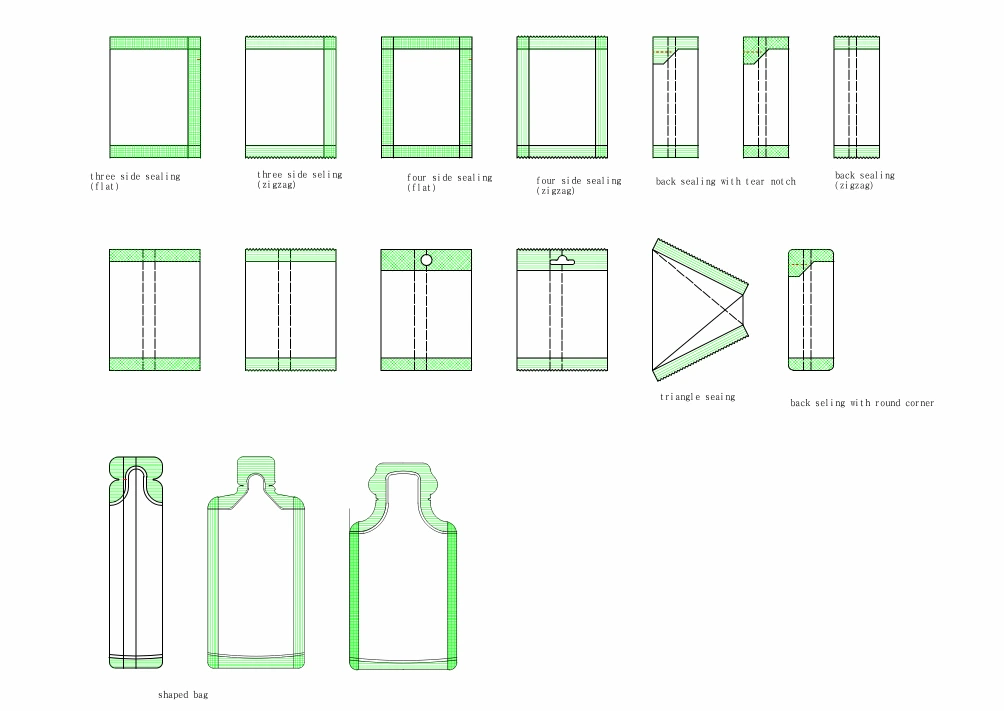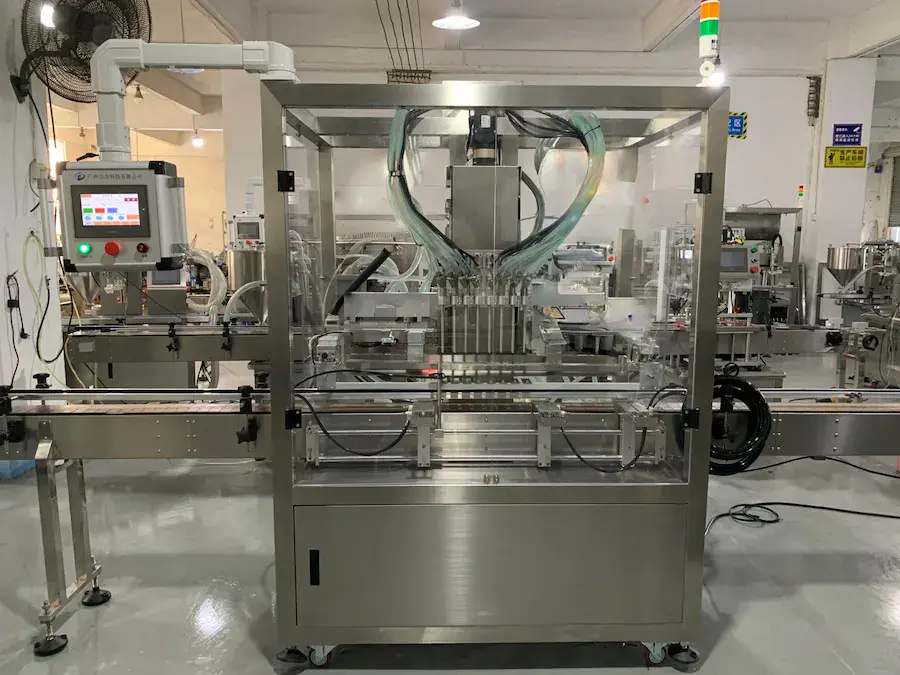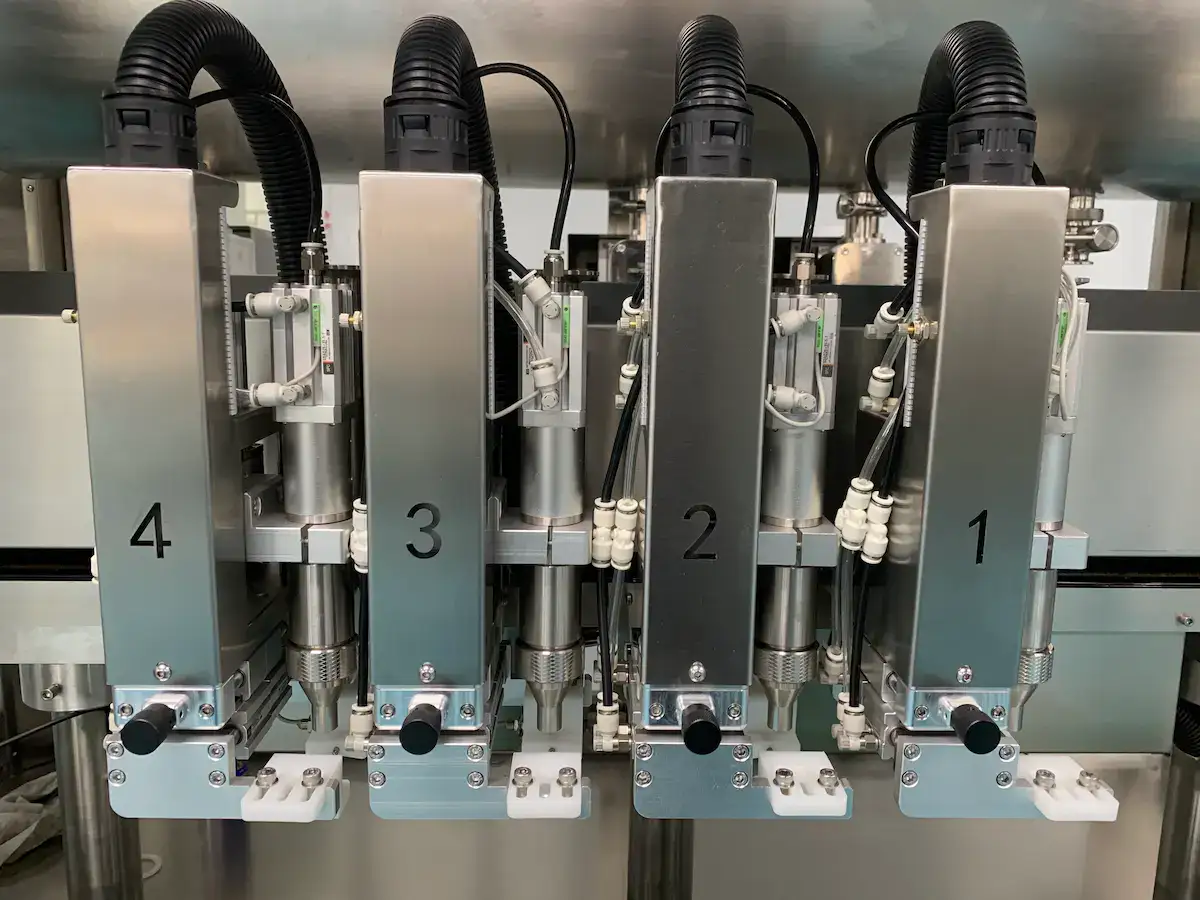
When it comes to sourcing equipment, import packaging machines from China presents an unparalleled opportunity. The country boasts an extensive range of machinery, from versatile vertical form-fill-seal baggers to efficient horizontal flow wrappers and precise premade pouch fillers. Opting to import packaging machines from China often translates into significant cost savings, as Chinese manufacturers typically offer competitive pricing compared to their Western counterparts, all while adhering to high quality standards. This guide will walk you through every essential step: selecting the ideal machine for your needs, identifying and vetting reliable suppliers, navigating Incoterms, streamlining shipping and customs procedures, securing crucial after-sales support, and effectively overcoming common challenges associated with importing.
Why Import Packaging Machines from China?
China has long been a global hub for manufacturing. With its advanced factories and large-scale production, importing packaging machines from China is popular with businesses seeking lower prices and a wide variety of models. Chinese suppliers often have flexible options and are willing to customize machines to your needs, and they typically enforce strict quality controls for exports. By buying in bulk or negotiating directly with a factory, you can gain economies of scale that improve your margins. Moreover, China hosts major trade fairs (like the Canton Fair and the Hong Kong Packaging Fair) where you can meet many machine manufacturers in person.
Businesses importing packaging machines should also keep in mind that costs have changed: after recent pandemic-related disruptions, shipping rates and lead times have fluctuated. Nevertheless, the broad supplier base in China and competitive pricing mean that, with proper planning, you can still achieve significant savings on high-quality equipment. The rest of this guide explains how to do it right.
Types of Packaging Machines
Before contacting suppliers, clarify what type of packaging machine you need. Packaging machinery comes in many forms, each suited to different products:
Vertical Form-Fill-Seal (VFFS) machines
These stand upright and form bags from a flat roll of film. They are common for dry goods, snacks, grains, or powders. The machine creates a bag around the film, fills it with product, and seals it.
Horizontal Flow Wrappers
Often used for confectionery, bars, biscuits, or trays. These machines wrap product horizontally in film or foil, then heat-seal it. They are fast and versatile for many shapes.
Premade Pouch Fillers
These machines fill and seal bags that are pre-formed (instead of forming bags from film). Good for packing items like nuts, hardware, or small components where you want a zipper or stand-up pouch.
Cartoning and Case Packers
Automate placing products into boxes or cartons. Useful for pharmaceuticals, beverages, or consumer goods.
Seal/Wrapping Machines
For sealing open-top bags, or shrink-wrapping finished trays and bundles.
Specialty Machines
Tea/coffee baggers, bottle fillers, capping machines, labeling machines, etc.
Knowing your production requirements (speed, bag size, material, automation level) will narrow the search. For example, if you need to package loose granules, a VFFS machine is ideal; for solid bars, a flow wrapper works best. Define product weight, bag material (plastic, paper, foil), and output rate, so you can give suppliers clear specifications. Clear requirements not only speed up quoting but also show suppliers you are serious.

Finding and Vetting Suppliers
Once you know the type of machine you need, find reputable Chinese suppliers. China has thousands of machinery manufacturers, so diligent research is crucial. Here are proven strategies:
Trade Shows and Exhibitions: Events like the Canton Fair (Guangzhou) and specialized packaging fairs (e.g. Hong Kong International Printing and Packaging Fair) gather many Chinese machine makers in one place. Visiting in person lets you inspect machine demos and discuss options face-to-face. If travel isn’t possible, many fairs now offer virtual booths and directories.
Online B2B Platforms: Use Alibaba, Made-in-China, Global Sources, or industry directories to shortlist manufacturers. Look for Gold/Supreme Gold suppliers or those verified by the platform. Prioritize suppliers with years of experience in exports and high transaction volumes.
Local Sourcing Agents or Networks: A professional China sourcing agent or freight forwarder can pre-qualify factories for you, handle communication, and arrange inspections. This helps navigate language and cultural differences. (If using an agent, verify they are independent and experienced in machinery imports.)
Referrals and Networking: Ask business contacts for recommendations. Join industry forums or LinkedIn groups where importers share supplier experiences.
Vet each supplier carefully to avoid scams or poor quality:
Check Credentials: Ask the factory for a copy of their business license, ISO certificates, and any relevant machine certifications. Verify these documents on official Chinese government websites or through a third-party verification service.
Audit History and Reviews: Search for the company online. Are there reviews on China import forums or Alibaba? Beware of paid testimonials. Request at least one or two references (other overseas customers) and follow up via email or call if possible.
Factory Presence: Confirm their address. Use Google Maps or Baidu Maps to see if the location looks legitimate (factories vs. residential). For critical purchases, hire a local inspection service or agent to visit the factory, interview staff, and witness a demo of the machine. A video call showing the machine running is also very helpful.
Export Experience: Prefer suppliers who regularly export to your country or region. They will already understand your local regulations and may have the necessary compliance certifications (CE, UL, etc.) in place. They might even recommend a freight forwarder or broker who has handled similar shipments.
Communicating and Negotiating
Clear communication is key to a smooth import. Most Chinese packaging machine exporters have English-speaking sales reps. Use a mix of communication tools: email (for record-keeping), WhatsApp or WeChat for quick queries, and video calls (Zoom/Skype/Teams) to discuss technical details or view machines. Keep conversations organized with written records of specifications and agreements.
When contacting suppliers, ask detailed questions:
Technical Specs
Confirm voltage/frequency (China is 220V 50Hz; you may need a different motor or transformer), dimensions, speed (bags per minute), material compatibility, noise level, etc.
Certifications and Quality
Ask if the machine has been tested and certified (CE for EU, UL/CSA for US/Canada, or other local standards). A pre-tested machine saves you certification time. If the supplier cannot certify the machine, consider hiring a third-party inspection firm for a factory acceptance test.
Warranty and Spare Parts
Clarify the warranty period and what it covers. Does the supplier provide spare parts or replace worn components? Will they ship spare parts quickly if needed?
After-Sales Service
Good suppliers offer support such as installation guidance, operator training, and maintenance manuals. Ensure you know who pays for and arranges the technician visit if needed.
Negotiate pricing, payment terms, and delivery together with the appropriate Incoterm (see below). Remember, the cheapest quote isn’t always the best if it compromises quality or service.
Key Incoterms and Trade Terms
When importing packaging machinery, you’ll encounter international trade terms (Incoterms) that define who pays for what and where risk passes. The most common terms are:
EXW (Ex Works)
The seller makes the machine available at their factory. You (the buyer) arrange pickup, export customs, shipping, and import clearance. EXW typically has the lowest initial price since the buyer handles transport. However, it puts most responsibility on you.
FOB (Free on Board)
The supplier loads the machine onto a vessel or aircraft at the named port/airport. You pay for sea/air freight and insurance from there. FOB is popular for beginners because it involves a bit less hassle; the supplier’s freight forwarder handles domestic logistics up to the port.
CIF (Cost, Insurance & Freight)
Supplier pays to ship the goods to your destination port and purchases minimal insurance (for loss only). With CIF, you still arrange import clearance. The insurance under CIF is often low coverage, so consider buying separate cargo insurance to protect against damage.
DDP (Delivered Duty Paid)
Supplier handles everything – transport, customs clearance, duties, and delivers the machine to your door. This is the easiest for the importer, as all costs and paperwork are rolled into one price. However, not all suppliers offer DDP (they need a reliable logistics network) and it can be pricier. Note that sometimes you may still have to advance customs duties that the supplier will reimburse.
How to use Incoterms:
- Compare quotes by requesting each supplier to quote in the same Incoterm so you can see true cost differences.
- If you’re new to imports, FOB or CIF can simplify arrangements (you only need a local agent in your country to clear customs).
- For full control, EXW lets you pick your forwarder (useful if you already have a trusted logistics partner).
- If you want hassle-free delivery and know local port/terminal costs may be high, DDP may be worth it.
Shipping and Logistics
Once terms are agreed, arrange shipping. Because packaging machines are often heavy or bulky, most imports use sea freight for large items or air freight for smaller, urgent shipments. Key considerations:
Sea Freight (Container or Break-Bulk)
Best for heavy, large machines. You can ship in a standard 20ft or 40ft container (Full Container Load, FCL) if the machine dimensions allow. For extra-large or self-propelled equipment, consider Flat Racks (open tops) or Ro-Ro (roll-on/roll-off) vessels. Sea freight is economical but slower: transit from China can take 20–40 days depending on destination.
Air Freight
Use air shipping for high-value, time-sensitive parts or very small machines. It’s fast (a few days) but costs 5–10× more than sea per kg. Suitable for smaller machines or critical spare parts.
Freight Forwarder
Hiring an experienced freight forwarder is highly recommended. A forwarder can book space on ships, arrange trucking to/from ports, and handle customs clearance. They ensure the machinery is packed safely (often in a steel crate or heavy wooden crate), insured, and delivered without damage. Spackmachine notes that a good forwarder “bridges the divide between you and a supplier”, handling paperwork and tracking so you don’t have to manage every detail.
Insurance
Always buy cargo insurance. Even if a quote is CIF or DDP, double-check what insurance is included. Insurance protects you if the machine is lost or damaged in transit.
To summarize from DHL and logistics guides: sea freight is generally the default for heavy machinery due to cost efficiency. Air freight should be reserved for urgent or smaller shipments. For oversized loads, use specialized methods (e.g. RoRo or break-bulk). Working with a forwarder who handles machinery is best – they will advise the right method and container type.
Customs Clearance and Documentation
To clear customs in your country, prepare the necessary documents in advance. Common paperwork for packaging machine imports includes:
- Bill of Lading (B/L): The carrier’s contract of carriage, issued when the machine is loaded for export.
- Commercial Invoice: Lists seller, buyer, machine description, price, and HS code (for tariff classification). Tariff code 8422* covers filling, sealing or packing machines. This document is used by customs to calculate duties.
- Packing List: Describes the shipment contents (weight, dimensions of each crate or package). Helps customs verify the cargo.
- Certificate of Origin: Often required to prove the machine was made in China (for trade agreements or preferential tariffs).
- Import Licenses/Permits: Depending on your country and the machine, you might need special import permits (e.g. for electrical equipment) or certification (e.g. a CE Declaration of Conformity for the EU).
Each country has its own rules. For example: the EU requires a CE mark and usually RoHS compliance for electronic equipment, and you must include a user manual. The US often requires “Made in China” labeling on the machine. Check with your local customs or a customs broker for specifics.
Paying duties: Duty rates for packaging machines vary by destination. For US and many others, the machine HS code (often 8422.xx) sets the tariff rate. As a rough guide, calculate duties on (machine value + shipping + insurance) × duty rate. Many countries publish an online tariff database where you can look up HS code rates.
- S: https://hts.usitc.gov/?query=8422.30.9185
- Britain: https://www.trade-tariff.service.gov.uk/headings/8422
Hiring a local customs broker or licensed freight forwarder is strongly advised. They can file paperwork (e.g. Importer Security Filing, customs declaration), calculate taxes, and speed up clearance. Remember to provide them with all accurate documents. Delay in documentation is a common pain point; having everything ready saves time at port.
After-Sales Support and Receiving the Equipment
After the machine arrives, inspect it carefully before you sign off on delivery. Check for any damage to crates or the machine itself. Photos of damage should be sent to the supplier and insurer immediately if needed. Confirm that the model and specs match what you ordered.
Once cleared from customs, arrange delivery to your facility. Some suppliers offer crane or forklift assistance at the origin or can advise on rigging.
Crucially, ensure the supplier provides good after-sales service:
Installation & Training: Ideally, the supplier (or their local agent) should help install the machine and train your operators on-site or via video. Many Chinese companies will send a technician to assist with commissioning.
Manuals & Warranty: Obtain a detailed operation and maintenance manual (often bilingual). Verify the warranty period and what it covers (e.g. one-year parts, lifetime support). Good suppliers often list these after-sales policies on their website or quotation.
Spare Parts: It’s wise to buy essential spare parts (belts, blades, sensors) before shipping, or ensure they can be quickly ordered from you. Confirm lead times for parts replacement.
Local Support: In some cases, the supplier may have a local representative or a certified service center in your region. This can greatly reduce downtime if repairs are needed.
As packaging machine providers stress, ongoing support doesn’t end at sale. Guangzhou Yundu Packaging, for example, emphasizes “comprehensive after-sales support, including installation, training, and maintenance” for their clients. When comparing suppliers, prioritize those who commit to strong after-sales service – it can make your life much easier down the line.
Common Challenges and How to Overcome Them
Importing complex machinery from overseas comes with challenges. Here are realistic issues and tips to handle them:
Language and Cultural Barriers: Miscommunication can lead to costly mistakes. Mitigate this by using clear written specs and confirming all key points in writing. If necessary, hire a bilingual sourcing agent or have a trusted interpreter on standby during negotiations. Many suppliers have English-speaking staff, so insist on speaking with them.
Quality Discrepancies: Sometimes a machine looks great on video but underperforms. Avoid this by requesting detailed videos of the machine running with your product, or by getting an independent inspection before shipment. You can also order a sample or a smaller unit first as a test. Prioritize suppliers who let you audit their factory or send samples.
Payment Risks: Never pay the full amount upfront. Use secure payment methods like a letter of credit (L/C) or partial payment (e.g. 30% deposit, 70% after inspection). Only release final payment when the machine is tested to your satisfaction or after you’ve received clean title documents.
Shipping Delays and Costs: Be prepared for longer lead times during peak seasons (Chinese New Year, summer holidays) or port congestion. Book shipping space well in advance and consider insurance for delays. If deadlines are tight, use air freight for critical parts.
Customs Hold-ups: Incomplete or incorrect documents often trigger holds. Double-check that commercial invoices, origin certificates, and licenses are all in order. Work with a customs broker who can pre-clear paperwork. Having a bonded warehouse option can speed up domestic delivery once customs release the machine.
Regulatory Compliance: If your country has strict safety or emissions standards, ensure the machine complies before ordering. Ask for test reports or certifications (CE, UL, etc.) from the supplier. If doubt remains, use a local lab to certify the machine on arrival.
By planning ahead and working with trustworthy partners, most import hurdles can be smoothed out. As Shanghai Feiyu Packaging notes, “While importing from China offers many benefits, there can be challenges such as language barriers, customs delays, and equipment compatibility issues. To mitigate these risks, work closely with a reliable supplier who can offer clear communication and guide you through the import process”.
Conclusion
Importing packaging machines from China can be highly cost-effective and give you access to a wide range of equipment. To do it successfully in 2025, follow a step-by-step approach: research and specify your machine needs, vet multiple suppliers, clearly agree on terms (including Incoterms), arrange secure shipping and handle customs properly, and ensure robust after-sales support. Use the tips above to navigate potential pitfalls.
With careful planning, you can import packaging machines as smoothly as a seasoned professional. Ready to get started? Reach out to experienced freight forwarders or China sourcing specialists today to plan your first shipment of packaging equipment – your business will thank you for the efficiency gains and cost savings.
Import Packaging Machines From China FAQs
Do you have any questions about our packaging machine? Please find the answer below and Yundu will answer your question.
Begin by defining your production needs—machine type, capacity, and budget. Research reputable Chinese suppliers through trade shows, B2B platforms, or sourcing agents. Request detailed quotes with Incoterms, certifications, and after‑sales terms. Finally, compare offers, negotiate payment terms, and arrange a factory audit or video inspection.
For first‑time importers, FOB (Free on Board) is ideal: the supplier handles domestic logistics and loading, and you arrange international freight. CIF adds basic insurance to destination port costs. DDP offers door‑to‑door delivery but is more expensive. Choose based on your logistics experience and risk tolerance.
Sea freight for a standard 20′ container typically ranges from $1,000–$2,500, depending on origin port, destination, and season. Break‑bulk or flat‑rack shipments for oversized machines cost more. Air freight can exceed $5–$10 per kg. Always get quotes from multiple freight forwarders and include insurance.
Production lead times vary (usually 4–8 weeks). Sea freight transit takes 20–40 days, depending on destination. Allow 2–4 weeks for customs clearance and domestic delivery. Air freight is faster (5–10 days) but costly. Plan for buffer time around Chinese holidays (e.g., Chinese New Year).
Attend industry fairs (Canton Fair, Hong Kong Packaging Fair), use verified B2B platforms (Alibaba Gold Suppliers), or hire a reputable sourcing agent. Verify each factory’s business license, export history, and ISO/CE certifications. Request video demos, factory photos, and customer references to gauge reliability.
You’ll need a Commercial Invoice (with HS code 8422.xx), Packing List, Bill of Lading, and Certificate of Origin. Depending on your country, you may also require import licenses, CE/UL certificates, and user manuals. Submit these to your customs broker or freight forwarder to ensure smooth clearance.
Negotiate warranty terms, spare‑parts availability, and technician support before ordering. Choose suppliers offering remote commissioning via video calls or on‑site installation. Keep a list of critical spare parts and confirm delivery lead times. Maintaining clear communication channels (WeChat, email) ensures timely troubleshooting.