 English
  Arabic
  Indonesian
  Vietnamese
  Malay
Malay  Thai
Thai  Korean
  Russian
  French
  Italian
  Japanese
  Portuguese
  Turkish
  Spanish
 Blister packs are essential in pharmaceutical, medical, and consumer goods packaging. Their protective structure and clear design have made them the go-to solution for packaging everything from tablets to electronics. But what is the principle behind a blister pack, and how does it actually work to keep products safe and effective?
This article dives deep into the working mechanism of blister packs, their different types, benefits, and their growing role in healthcare. Whether you’re sourcing blister packaging suppliers, comparing blister packaging types, or evaluating sustainable blister packaging options, this guide will help you understand the industry-standard practices shaping modern packaging.
What Is a Blister Pack?
A blister pack is a type of packaging where a product is sealed between a pre-formed plastic cavity (or pocket) and a backing layer. This form of packaging is widely used in the pharmaceutical industry to protect tablets, capsules, and other medications.
The plastic cavity is typically made from PVC blister packaging, while the backing is often a blister foil or paper-based card. This method ensures visibility, protection, and dosage accuracy, making it one of the most effective forms of packaging for sensitive products like medication.

How Blister Packs Work: The Packaging Process
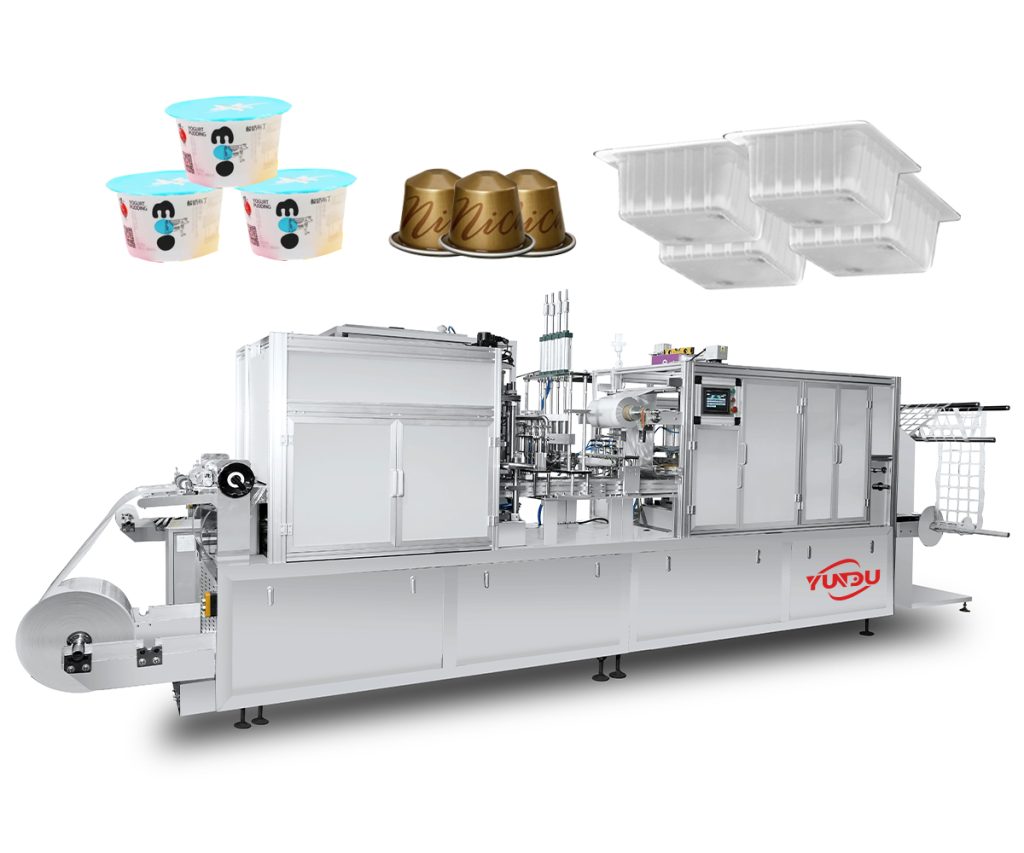
Blister packs are created using heat and pressure through a process called thermoforming or cold forming, depending on the materials and the sensitivity of the contents.
Thermoforming Process
In thermoforming, a plastic sheet is heated until it becomes pliable. It’s then molded over a die to form pockets. Once cooled, the pockets retain their shape. The product is placed into these pockets, and a backing layer—often aluminum foil or paperboard—is sealed using heat.
Cold Forming Process
Cold forming is used when better protection is needed against moisture, oxygen, and light. It involves shaping aluminum-based laminate without heat. This results in alu alu blister packaging, offering superior barrier protection for highly sensitive medications.
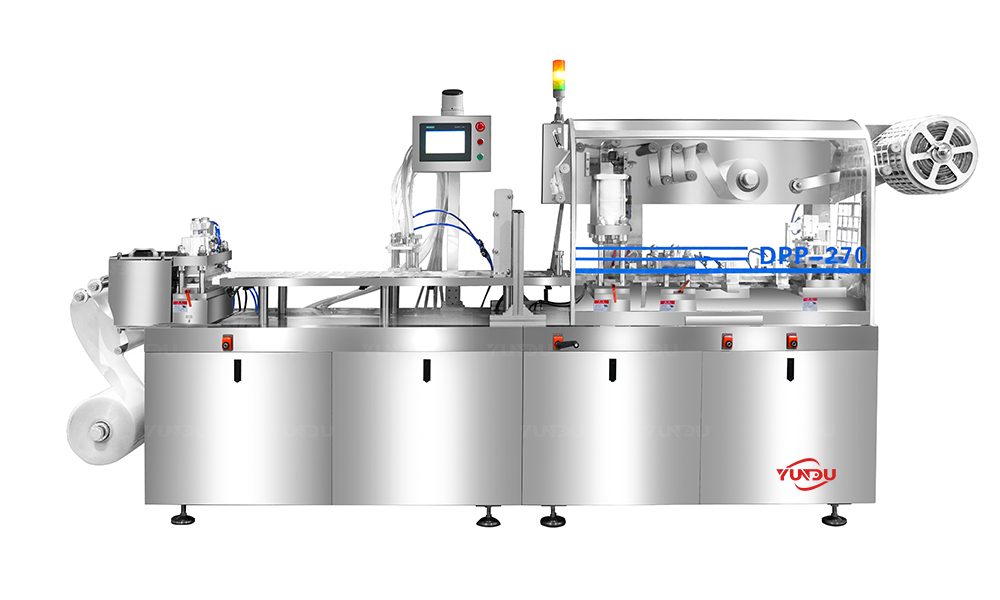
These processes are typically done by automatic blister pack sealer machines, ensuring consistency, speed, and quality in large-scale production.
The Purpose and Advantages of Blister Packaging
Blister packs offer several benefits that have made them a staple in both pharmaceuticals and retail packaging.
1. Product Protection
They shield contents from external factors like moisture, air, and contaminants. This is crucial for pharmacy blister packs, where maintaining drug potency is essential.
2. Tamper Evidence
Blister packaging makes it easy to detect tampering, adding a layer of safety that is especially important for prescription blister packs.
3. Dosage Management
They allow for blister pack medication pharmacy services that help patients track daily intake, reducing the risk of missed or double doses.
4. Enhanced Visibility
The transparent plastic cavity in most plastic blister packaging allows consumers and pharmacists to see the product clearly.
5. Versatile Customization
From custom blister packs for branding to slide blister packaging and clamshell blister packaging for retail, blister packs can be adapted to various industries and uses.
Types of Blister Packaging in the Pharmaceutical Industry
Understanding the types of blister packaging in the pharmaceutical industry is essential for ensuring the right balance between protection and cost.
1. Alu-Alu Blister Packs
These packs use aluminum for both the cavity and the backing. Ideal for light- and moisture-sensitive drugs, they offer superior protection and shelf life. However, they come at a higher cost.
2. PVC/Aluminum (Alu-PVC) Blister Packs
This is the most common format. It uses a PVC plastic cavity and aluminum foil backing. While not as protective as alu-alu packs, it’s cost-effective and allows clear visibility of the medication.
3. Alu-PVC-Alu Blister Packs
A hybrid version that combines visibility and protection. Often used in blister packaging companies that cater to mid-range pharmaceutical needs.
Related resources recommended: 5 Reasons Why Blister Packing Machines Are So Important For Pharmaceuticals.
Custom and Stock Blister Packaging Solutions
Whether you are a pharmacy, manufacturer, or retailer, choosing between custom blister packaging and stock blister packaging depends on your product’s requirements.
Custom blister packs offer tailored design, better branding, and improved customer experience. They’re common among blister packaging companies near me catering to local and global brands.
Stock blister packaging, on the other hand, is pre-made and cost-efficient—suitable for bulk production with less emphasis on design personalization.

Cold Seal vs. Heat Seal: Choosing the Right Blister Sealing Method
The sealing method can greatly affect the integrity of a blister pack.
Cold Seal Blister Packaging
Cold seal blister packaging or cold seal blister cards use pressure-sensitive adhesives. No heat is required, which makes them ideal for heat-sensitive medications or products.
Heat Seal Blister Packaging
Most blister card packaging relies on heat sealing. It offers a stronger bond and is suitable for a wider range of materials, including self-sealing blister packs for higher protection.
Innovations in Sustainable Blister Packaging
With rising environmental concerns, sustainable blister packaging is gaining traction. Manufacturers are now exploring paper blister packaging, recyclable plastics, and biodegradable materials.
For example:
Macaron clamshell packaging is often made from recyclable PET materials.
Trapped blister packaging reduces plastic usage by sandwiching the plastic cavity between two paperboard layers.
Eco-conscious companies and blister packaging suppliers are collaborating to meet both regulatory and consumer expectations for sustainability.
Pharmacy Blister Packs: Helping Medication Adherence
Pharmacies increasingly use medication blister packaging to improve patient outcomes. Lloyds pharmacy medication blister packs, for example, help patients manage complex medication regimens with pre-sorted doses.
Pharmacists often use systems like:
Omnicell blister cards
SureMed blister pack
Cold seal medication blister cards
These solutions ensure that patients, especially the elderly, take the right pills at the right time.

Common Challenges and Solutions in Blister Packaging
Despite its benefits, blister packaging can face issues:
1. Seal Failures
Poor sealing can lead to exposure to moisture or oxygen. That’s why proper equipment, like a reliable blister pack sealer, is crucial.
2. Breakage During Transit
To prevent chipping, especially in tablet blister packs or capsule blister packaging, protective cartons are recommended.
3. Regulatory Compliance
Pharmaceutical blister packaging must meet stringent global standards for labeling, safety, and hygiene. Partnering with experienced blister packaging companies ensures compliance.
The Role of Automation in Blister Pack Manufacturing
Modern blister packaging companies use automated machinery for increased efficiency. These systems ensure:
Precision in sealing and cutting
Fast production cycles
Integration with labeling and serialization systems
Companies like Jones blister packaging are leading the way in automation and innovation.
Choosing the Right Blister Packaging Suppliers
When sourcing blister packaging suppliers, consider factors like:
Material quality (alu-alu, PVC, PET)
Compliance with pharmaceutical regulations
Customization options (graphics, die cuts, shapes)
Capacity to scale
Location (look for blister packaging near me for faster delivery and lower shipping costs)