 English
  Arabic
  Indonesian
  Vietnamese
  Malay
Malay  Thai
Thai  Korean
  Russian
  French
  Italian
  Japanese
  Portuguese
  Turkish
  Spanish
 In today’s highly regulated pharmaceutical and cosmetic industries, automation and precision are critical to ensuring product safety, efficacy, and quality. Among the critical components of modern manufacturing is the vial packaging machine. This specialized equipment not only streamlines production but also plays a pivotal role in the complete packaging process—from filling and washing to final sealing and labeling. In this comprehensive guide, we explore:
- What is a vial packaging machine?
- What is a vial filling machine and vial filling line?
- The process of pharmaceutical vial filling
- The principles behind vial washing machines and tube filling machines
- Differences between ampoule and vial filling processes
- Detailed insights on ampoules: size, cost, disadvantages, and comparisons with serums
What Is a Vial Packaging Machine?
A vial packaging machine is an automated system designed for the efficient handling and packaging of vials in pharmaceutical and cosmetic manufacturing. Its core functions include:
- Filling: Dispensing precise volumes of liquids or gels.
- Sealing: Securing each vial in a sterile environment.
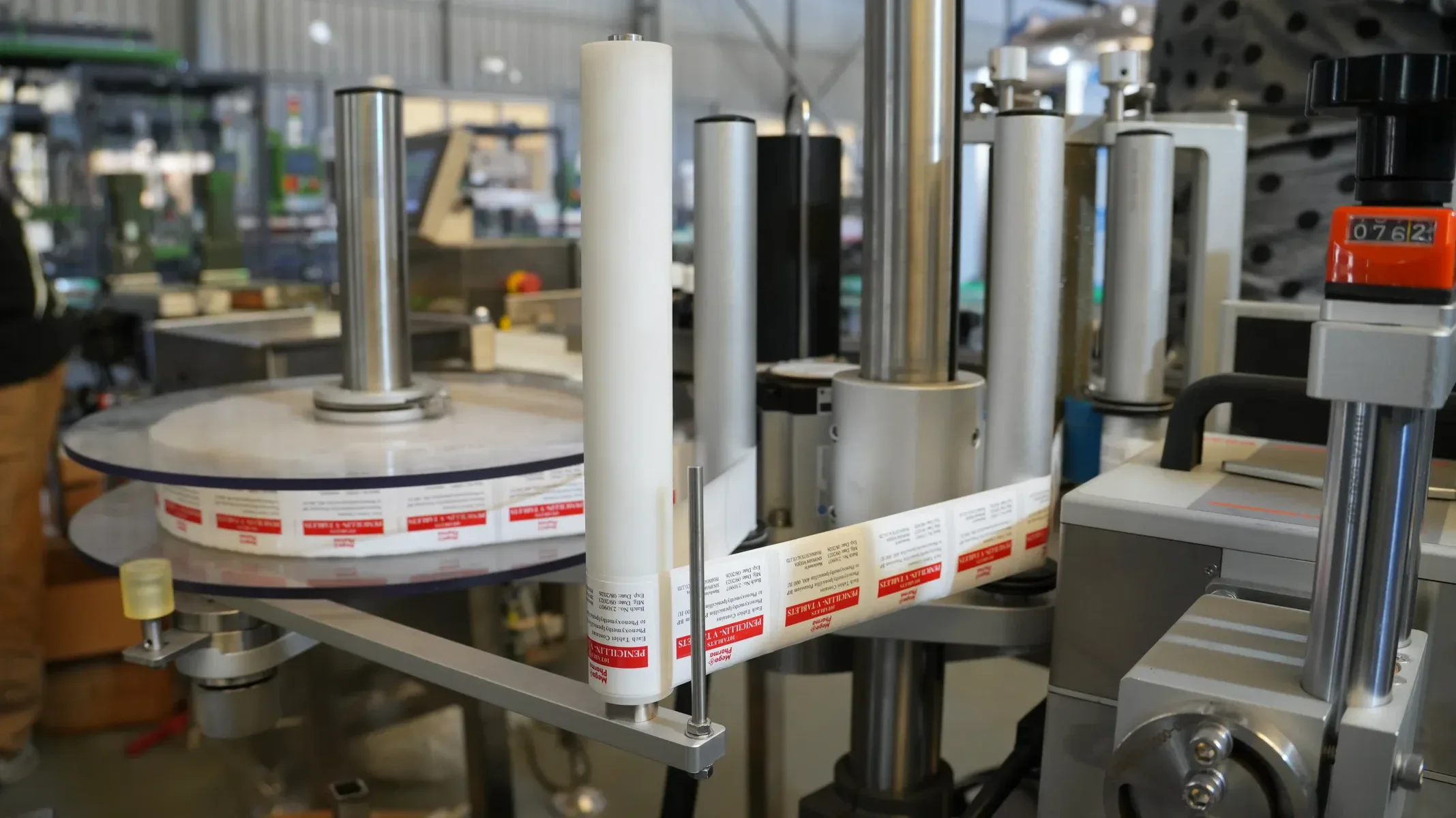
- Labeling and Coding: Imprinting critical information like batch numbers and expiry dates.
- Inspection: Detecting defects to ensure that only high-quality products reach the market.
Additional Technical Insights
Modern vial packaging machines integrate sensors, robotics, and advanced control systems that continuously monitor variables such as fill weight, pressure, and temperature. These systems use real-time feedback loops to adjust operations on the fly, ensuring high consistency and minimal waste. Many machines also incorporate modular designs that can be upgraded or adapted as product lines change, providing long-term flexibility in production environments.

Vial Filling Machines and Vial Filling Lines: An Integrated Approach
What Is a Vial Filling Machine?
A vial filling machine is engineered to precisely dispense products into vials, guaranteeing that every container holds the correct volume of liquid or gel. It utilizes:
- High-Precision Pumps: For accurate dosing.
- Automated Valves: To control the flow rate and ensure consistency.
- Sensors and Feedback Systems: To verify fill levels and detect any anomalies such as air bubbles.
What Is a Vial Filling Line?
A vial filling line is a fully integrated production system that combines several sequential processes:
- Vial Washing: Ensures that each vial is free of contaminants.
- Filling: Accurately dispenses the product.
- Sealing and Capping: Securely closes the vial.
- Labeling and Inspection: Confirms that each vial meets quality standards before packaging.

Enhancing Efficiency with Integration
Integrating these processes into a single automated line minimizes human intervention, reducing the risk of contamination while boosting throughput. State-of-the-art filling lines can handle multiple product types and vial sizes with minimal retooling, making them adaptable to rapid changes in market demand.
The Process of Pharmaceutical Vial Filling
The pharmaceutical vial filling process is a detailed, multi-step procedure designed for both efficiency and safety. Here’s an in-depth look:
Step 1: Vial Washing and Sterilization
Prior to filling, vials undergo rigorous cleaning:
- Pre-Rinse: Removes loose debris.
- Washing Cycle: Utilizes specialized detergents and, in some cases, ultrasonic waves to dislodge contaminants.
- Rinse Cycle: Eliminates residual cleaning agents.
- Drying and Sterilization: Uses hot air or UV light to ensure complete sterility.
Step 2: Product Filling
After cleaning, vials move to the filling machine where:
- Precise Dosing: Automated pumps dispense exact volumes.
- Air Bubble Removal: Critical techniques are applied to prevent the formation of air pockets.
- Closed-System Operation: Maintains a sterile environment during filling to preserve product integrity.
Step 3: Capping and Sealing
Once filled, the vials are immediately sealed:
- Capping Machines: Often use heat, adhesives, or mechanical crimping to secure the closure.
- Hermetic Sealing: Essential for preserving the product’s stability, particularly in sensitive pharmaceuticals.
Step 4: Inspection and Quality Control
Automated inspection systems employ high-resolution cameras and sensors to:
- Verify Fill Levels: Ensuring each vial is filled accurately.
- Detect Defects: Such as misaligned caps or contaminants.
- Quality Assurance: Faulty vials are removed to guarantee compliance with stringent quality standards.
Step 5: Labeling and Final Packaging
In the final step:
- Labeling: Critical product information (e.g., batch number, expiry date) is applied.
- Packaging: Vials are then grouped and packaged for distribution.
Principles of Vial Washing and Tube Filling Machines
Vial Washing Machines
Vial washing machines are engineered to ensure that every vial is impeccably clean before it is filled. The cleaning process is based on several principles:
- Mechanical and Ultrasonic Action: The combination of physical agitation and ultrasonic waves helps dislodge stubborn contaminants.
- Chemical Cleaning: Specialized detergents or solvents are used to dissolve residues.
- Rinse and Dry: After the cleaning cycle, vials are thoroughly rinsed and dried to remove any traces of cleaning agents.
This meticulous process is essential for maintaining the sterility of the final product, especially in the production of vaccines and other sensitive formulations.
Tube Filling Machines
While vial packaging machines cater to small containers, tube filling machines are used for products such as creams, gels, and toothpaste. Their operation involves:
- Precise Dosing: Using programmable pumps to deliver exact amounts of product.
- Continuous Motion: Often working on a high-speed production line, tubes are filled, sealed, and finished in a continuous process.
- Sealing Techniques: Whether through heat sealing or adhesives, these machines ensure that tubes are leak-proof.
- Versatility: Modern tube filling machines can handle a variety of product viscosities, making them adaptable to different formulations.
These principles highlight the technological sophistication required to maintain efficiency and quality across different packaging formats.

Ampoules Versus Vials: A Closer Look
Although both ampoules and vials are widely used for storing pharmaceuticals and cosmetics, there are distinct differences in their design and filling processes.
Material and Design
Ampoules:
Constructed from thick, high-quality glass, ampoules are typically designed for single-use applications. The glass is intentionally thicker to endure the heat involved in the sealing process and to protect the contents from contamination. Ampoules are ideal for products that require complete isolation.Vials:
Vials may be made from glass or plastic and often incorporate features like screw caps or snap-on lids. This design provides flexibility, allowing for multi-dose applications and easier re-entry if needed. The reusability and versatile design of vials make them a popular choice in both clinical and cosmetic applications.
Filling Process Differences
Ampoule Filling:
The process for ampoule filling is highly specialized. It demands precision and stringent temperature control, often involving flame sealing to ensure a hermetic closure. This method is particularly suitable for products where maintaining absolute sterility is critical.Vial Filling:
Vial filling is typically integrated into high-throughput production lines. Automated systems handle tasks such as vacuum filling, air bubble removal, and mechanical capping. This method is less sensitive to temperature variations and is well-suited for both single-dose and multi-dose applications.
Practical Considerations in Cosmetic Applications
In the cosmetic industry, comparisons are often drawn between ampoules and serums. While ampoules are valued for their high concentration of active ingredients and superior protection, serums tend to be lighter and more versatile.
Thickness Comparison:
The term “thickness” can refer to the physical robustness of the container or the viscosity of the product. Ampoules are made from robust, thick glass, whereas serums are formulated to be easily absorbed by the skin.Application Sequence:
In skincare routines, ampoules are frequently used as a concentrated booster applied before serums. This allows the skin to receive a potent dose of active ingredients, followed by a serum that locks in moisture and enhances the overall effect.
Detailed Insights on Ampoules
Ampoules have distinct characteristics that set them apart from other packaging formats. They are particularly popular in high-precision fields where contamination must be minimized.
Size and Specifications
A standard 1ml ampoule is engineered to contain exactly 1 milliliter of liquid. Despite the consistent volume, the physical dimensions of an ampoule can vary slightly based on the manufacturer’s design. This precise measurement ensures that the dosing remains consistent, which is critical in both medical and cosmetic applications.
Cost and Production Considerations
Ampoules tend to be more expensive than vials due to several factors:
- High-Quality Materials: The use of premium glass that can withstand high-temperature sealing processes.
- Advanced Manufacturing Techniques: The precision required in the filling and sealing process increases production costs.
- Single-Use Design: Ampoules are designed for one-time use, leading to a higher cost per unit compared to reusable packaging formats.
Limitations and Challenges
While ampoules offer excellent protection, they come with certain disadvantages:
- Fragility: The glass can easily break if mishandled.
- Opening Difficulties: Ampoules often require special tools or techniques to open, which can be inconvenient in fast-paced environments.
- Waste Generation: Being single-use, ampoules contribute to greater waste compared to re-usable containers.
Economic Considerations
The cost of one ampoule can vary significantly depending on production scale, material quality, and application. In pharmaceutical settings, the price might range from a few cents to several dollars per unit, reflecting the complexities of the production process and the high standards required for medical applications.
Innovations and Future Trends
The production and packaging sectors are continuously evolving, driven by technological advancements and changing market demands. Some emerging trends include:
- Increased Automation: The integration of robotics and AI in production lines is enhancing efficiency and reducing human error.
- Real-Time Monitoring: Data analytics and real-time sensor feedback allow manufacturers to adjust production parameters dynamically, ensuring optimal quality.
- Modular Production Systems: Flexible designs enable rapid adaptation to new products and packaging formats without significant downtime.
- Sustainability Initiatives: There is a growing focus on developing eco-friendly materials and reducing waste in single-use packaging.
These trends not only improve production efficiency but also help manufacturers meet stringent regulatory standards while adapting to consumer demands for quality and sustainability.
Final Thoughts
As manufacturing processes become increasingly automated, the vial packaging machine stands out as a cornerstone technology for ensuring precision, safety, and efficiency. By seamlessly integrating cleaning, filling, sealing, and labeling, these machines form the backbone of modern pharmaceutical and cosmetic production lines.
Understanding the detailed processes behind vial washing, filling, and packaging—as well as the nuances between ampoule and vial filling—provides valuable insights into the complexities of modern manufacturing. Whether you are considering the robust protection offered by ampoules or the versatile, multi-dose capabilities of vials, each packaging method is designed to meet the high standards required by today’s competitive markets.
As innovation continues to drive the industry forward, advancements in automation, quality control, and sustainability will further enhance the capabilities of vial packaging systems. Manufacturers that invest in cutting-edge technologies can optimize production, ensure regulatory compliance, and ultimately deliver superior products to the market.
In today’s fast-paced production environments, every detail—from the precise dispensing of active ingredients to the rigorous cleaning of each vial—matters. By embracing modern packaging solutions and continuously refining processes, companies can achieve exceptional quality and performance in every product that leaves their production line.