 English
 Arabic
 Indonesian
 Vietnamese
 Malay
 Thai
 Korean
 Russian
 French
 Italian
 Japanese
 Portuguese
 Turkish
 Spanish
Alu PVC blister packaging helps pharmaceutical and consumer goods manufacturers protect products, improve packaging efficiency, and present individual items professionally. To achieve consistent results, manufacturers need a reliable alu PVC blister packaging machine that matches their products, materials, and production requirements.
Yundu provides blister packaging equipment and integrated packaging solutions for different industries. By combining a suitable blister packing machine with a horizontal cartoning machine, manufacturers can streamline the process from primary packaging to finished cartons.
This guide explains how alu PVC blister packaging works, its key benefits and applications, and how to select the right equipment for your production line.
What Is Alu PVC Blister Packaging?
Alu PVC blister packaging combines a thermoformed PVC plastic base with an aluminum foil lid. The PVC film forms individual cavities that hold products, while the aluminum foil seals the cavities and helps protect the contents from contamination and moisture.
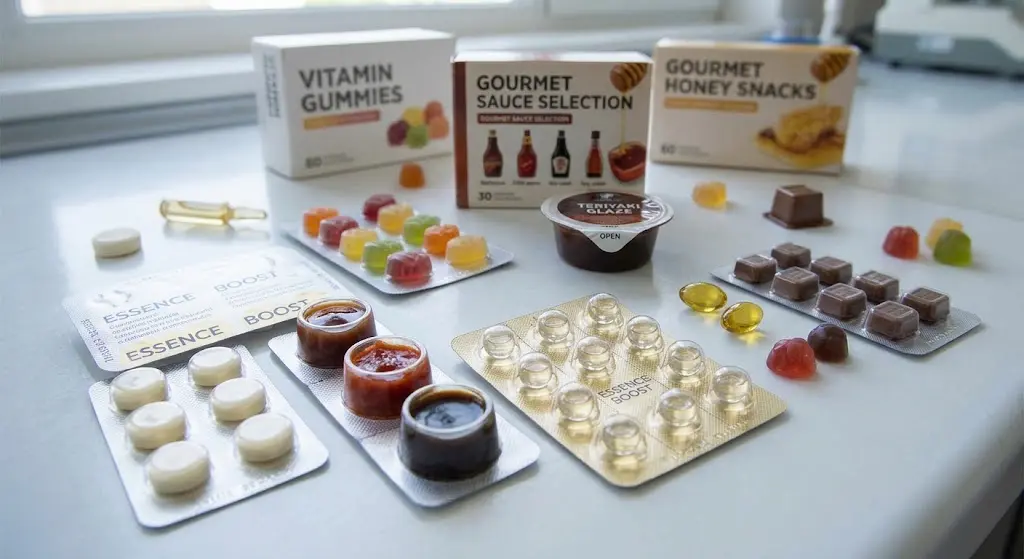
Manufacturers commonly use this packaging format for tablets, capsules, vitamins, and other small products that require individual packaging.
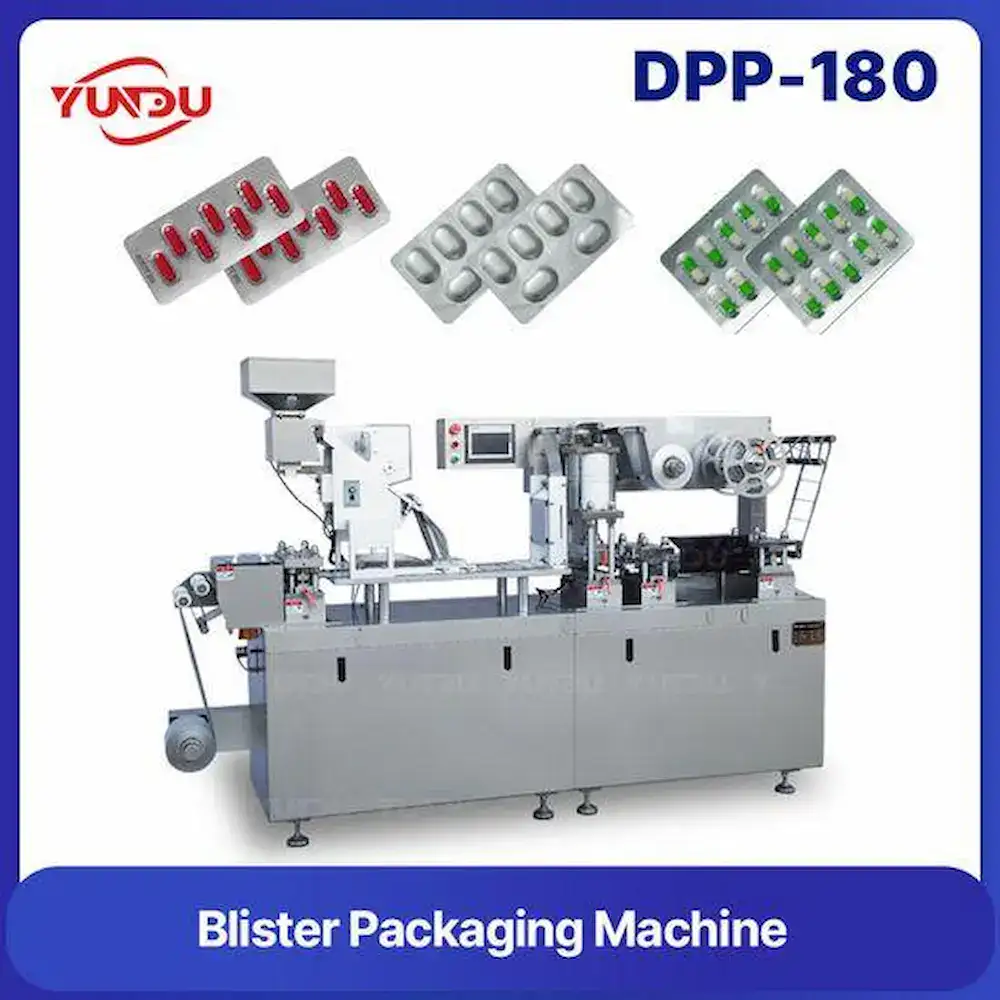
How Does an Alu PVC Blister Packing Machine Work?
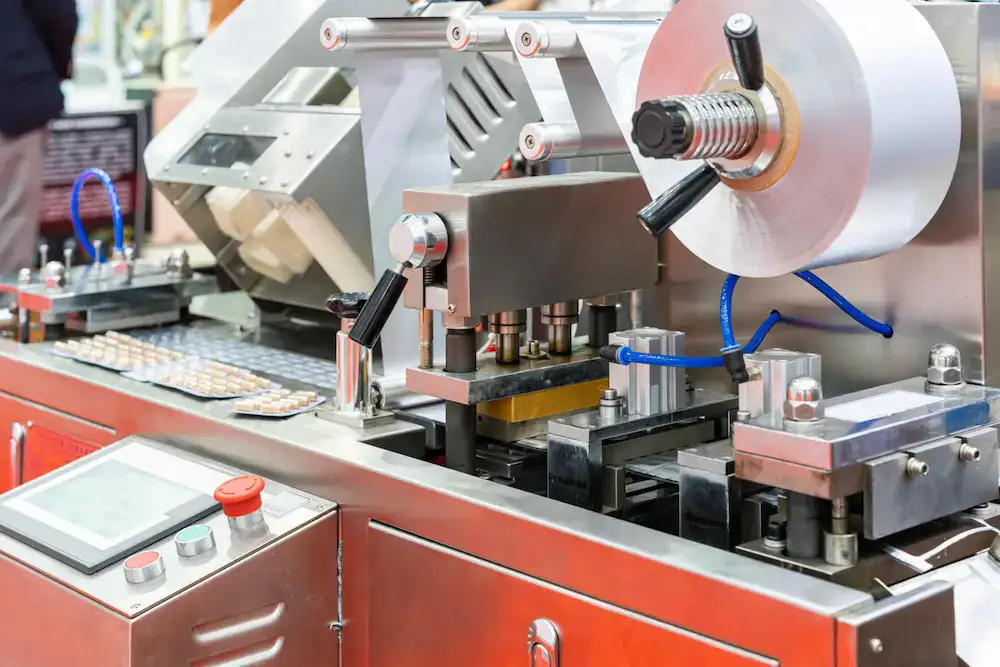
A typical alu PVC blister packing machine automates several stages:
Film feeding: The machine feeds PVC film into the forming station.
Blister forming: Heat and forming tools shape the film into cavities.
Product feeding: Operators or automated systems load products into the cavities.
Heat sealing: The machine seals aluminum lidding foil onto the formed plastic.
Cutting: Cutting tools separate the continuous material into individual blister cards.
Inspection and discharge: Optional inspection systems detect or reject defective packs before the machine transfers acceptable blisters downstream.
Yundu’s blister packaging line integrates key processes such as forming, feeding, sealing, and cutting. Buyers should confirm material compatibility and machine configuration based on their specific applications.
Why Choose Yundu for Alu PVC Blister Packaging?
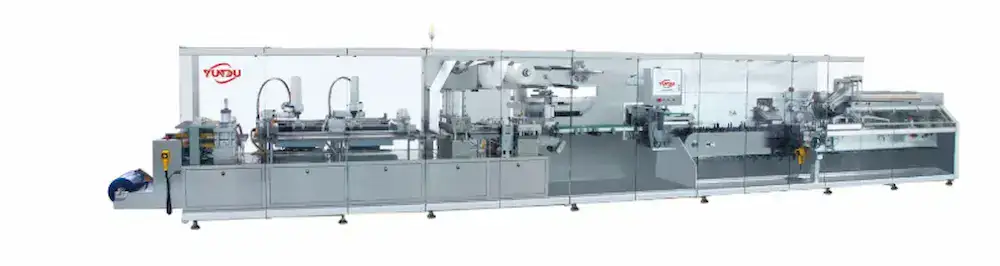
Choosing a blister packaging machine manufacturer involves more than comparing prices. Manufacturers should evaluate automation, production stability, format flexibility, and the supplier’s ability to support the complete packaging process.
Automated Forming, Filling, and Sealing
Yundu’s blister packaging solutions automate key production stages, helping manufacturers maintain consistent packaging quality and reduce repetitive manual operations. Depending on the selected configuration, optional inspection and rejection functions can further support quality control.
Flexible Packaging Configurations
Different products require different cavity shapes, pack dimensions, and feeding methods. Yundu can help buyers evaluate suitable configurations based on their product specifications.
Before purchasing, confirm the supported forming materials, blister dimensions, forming depth, tooling requirements, and sealing parameters.
Improved Production Efficiency
Automation reduces manual handling and supports consistent production. Manufacturers can also evaluate integrated packaging solutions to minimize transfer between production stages and avoid downstream bottlenecks.
Integrated Packaging Solutions
A finished blister card often needs additional packaging before distribution. Combining blister packaging with automatic cartoning can simplify material handling and create a more streamlined workflow.
Explore Yundu’s packaging equipment and solutions to identify suitable equipment for your production requirements.
What Products Can Alu PVC Blister Packaging Handle?
Alu PVC blister packaging suits products that fit securely into formed cavities and tolerate the selected forming and sealing conditions.
Pharmaceutical Products
Common applications include:
- Tablets and pills
- Hard and soft capsules, where compatible with the process
- Vitamins and dietary supplements
- Selected over-the-counter medicines
Transparent PVC cavities allow visual inspection, while aluminum foil provides a protective backing. However, conventional PVC offers less moisture and light protection than some alternative structures. Manufacturers should evaluate product stability and packaging requirements before choosing between alu PVC, PVC/PVDC, and alu-alu packaging.
Food and Consumer Products
Depending on machine design and hygiene requirements, blister packaging equipment may also handle selected confectionery products, individual samples, and compact retail items.
For liquids, semi-liquids, or unusually shaped products, manufacturers should assess whether a specialized blister or filling system would provide a better fit.
Yundu offers packaging equipment for different product formats and applications. Buyers should confirm suitability for their specific products before selecting a machine.
How to Choose the Right Alu PVC Blister Packaging Machine?
Manufacturers should prioritize product requirements and actual production targets rather than choosing equipment based solely on advertised speed.
Define Your Product and Packaging Materials
Identify product dimensions, shape, weight, and sensitivity to moisture, light, and temperature. Then confirm the required PVC film, aluminum lidding foil, cavity layout, and sealing specifications.
If the product needs a stronger moisture barrier, compare alu PVC with alternatives such as PVC/PVDC or alu-alu.
Calculate Your Required Production Capacity
Estimate daily output, working hours, order volume, and expected future growth. Compare the machine’s rated capacity with your actual requirements, considering blister layout, feeding method, tooling, and operating conditions.
Choosing the right capacity helps avoid unnecessary investment and production bottlenecks.
Evaluate Automation and Changeover Requirements
If you manufacture multiple products, consider mold replacement, parameter adjustment, and format changeover. Automatic feeding, product detection, and rejection systems may improve efficiency when they match your production needs.
For pharmaceutical applications, also review cleaning access, documentation, traceability, and applicable GMP requirements.
Assess the Complete Packaging Line
Consider how blister cards move to downstream processes such as leaflet insertion, cartoning, and final inspection. Confirm that connected equipment can maintain compatible production speeds and transfer products smoothly.
Compare the Total Cost of Ownership
Look beyond the initial purchase price. Evaluate tooling, material consumption, energy use, maintenance, spare parts, operator training, and after-sales support.
Ask the manufacturer to confirm the machine configuration, operating conditions, warranty, and technical support before placing an order.
How to Buy an Alu PVC Blister Packaging Machine from Yundu?
Follow these steps to turn your production requirements into a suitable equipment proposal.
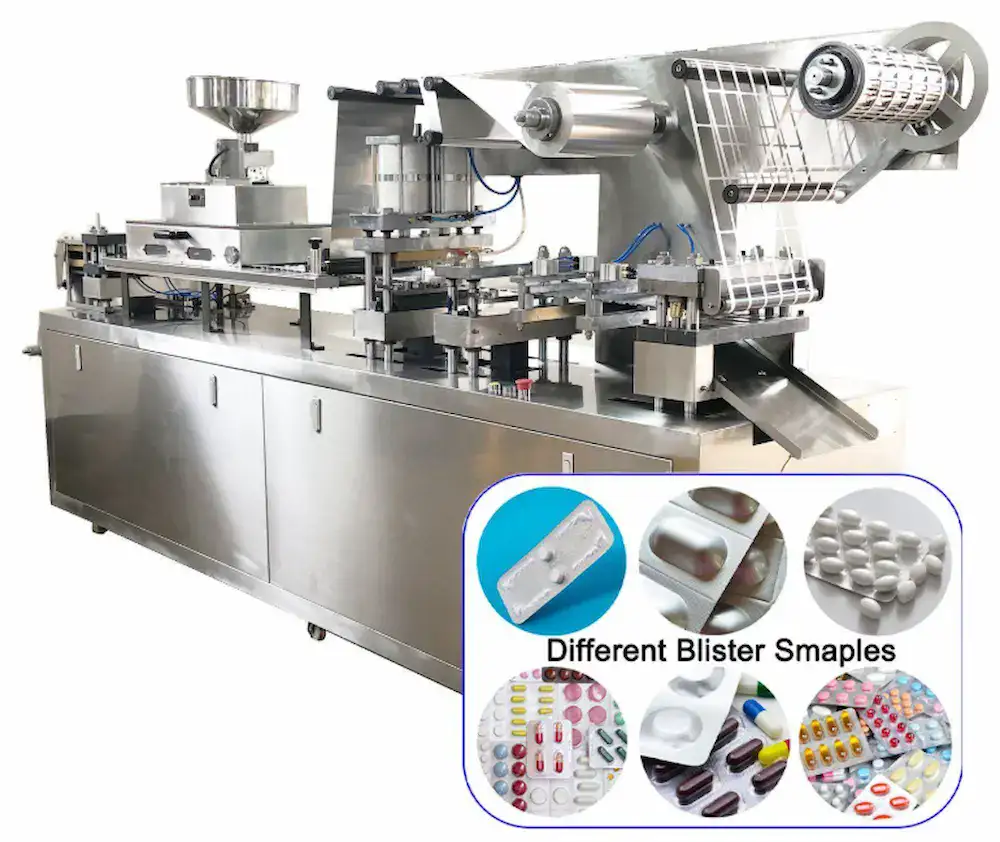
Step 1: Prepare Your Product Information
Provide the product type, dimensions, packaging materials, blister layout, and target output. Product samples, drawings, or existing packaging can help the engineering team assess your requirements.
Step 2: Request a Machine Recommendation
Contact Yundu through its official product and solutions website. Ask the team to recommend a suitable configuration and confirm material compatibility, automation options, and inspection functions.
Step 3: Confirm Specifications and Commercial Terms
Review the quotation, machine layout, tooling, electrical requirements, delivery schedule, warranty, installation support, and spare parts. Where possible, request a packaging test using your actual product and materials.
Step 4: Plan for Installation and Expansion
Confirm floor space, utilities, operator training, maintenance arrangements, and downstream equipment integration. If you expect production growth, discuss future capacity and automation upgrades before finalizing your investment.
Why Add a Horizontal Cartoning Machine to Your Blister Line?
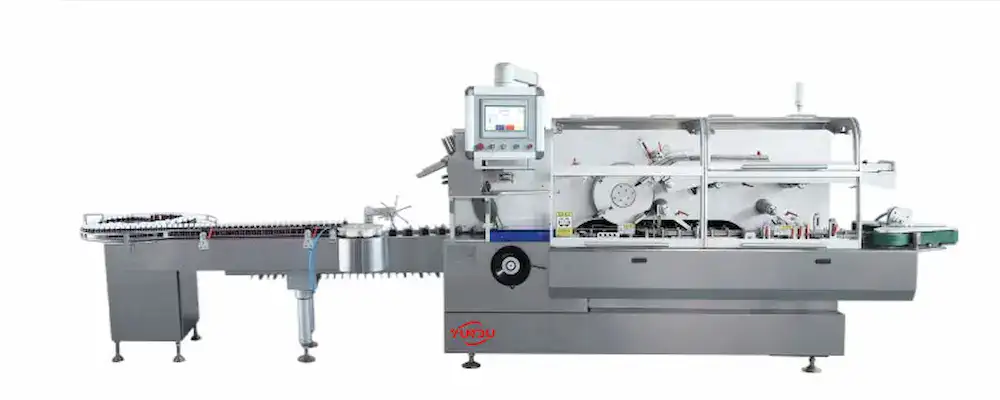
Many pharmaceutical manufacturers need to place blister cards and patient information leaflets into folding cartons before shipping. A horizontal cartoning machine automates this secondary packaging process and helps connect blister production with finished-product packaging.
How Does Horizontal Cartoning Work?
A typical horizontal cartoning process includes six stages:
- Carton feeding and opening: The machine picks up flat cartons and opens them.
- Blister grouping: The machine arranges blister cards according to the required carton configuration.
- Leaflet insertion: A feeder supplies product instructions when required.
- Product loading: The machine inserts blister cards and leaflets horizontally into open cartons.
- Carton closing: The machine closes cartons using a compatible tuck-in or other closing method.
- Inspection and discharge: Optional inspection systems check selected packaging requirements before finished cartons leave the machine.
Benefits of Horizontal Cartoning
Horizontal cartoners help standardize product insertion, reduce manual handling, and improve packaging consistency.
When selecting a cartoner, confirm carton dimensions, blister loading methods, leaflet specifications, closing styles, and operating speed. Match its actual output to the blister machine’s production capacity to avoid creating a bottleneck.
Yundu can help buyers explore integrated packaging solutions. Confirm the availability and specifications of a suitable horizontal cartoning machine directly with the company.
Conclusion
Alu PVC blister packaging provides a practical solution for tablets, capsules, and other compatible products. The right machine helps manufacturers maintain consistent packaging quality, reduce manual handling, and improve production efficiency.
Yundu offers blister packaging equipment and packaging solutions that buyers can evaluate according to their products, materials, and production targets. By selecting a suitable blister packing machine and planning for horizontal cartoning, manufacturers can build an efficient packaging line that supports current production and future growth.
Contact Yundu today to discuss your packaging requirements, request a machine recommendation, and explore a customized blister packaging solution for your business.