 English
  Arabic
  Indonesian
  Vietnamese
  Malay
Malay  Thai
Thai  Korean
  Russian
  French
  Italian
  Japanese
  Portuguese
  Turkish
  Spanish
 Types of Packaging Machines
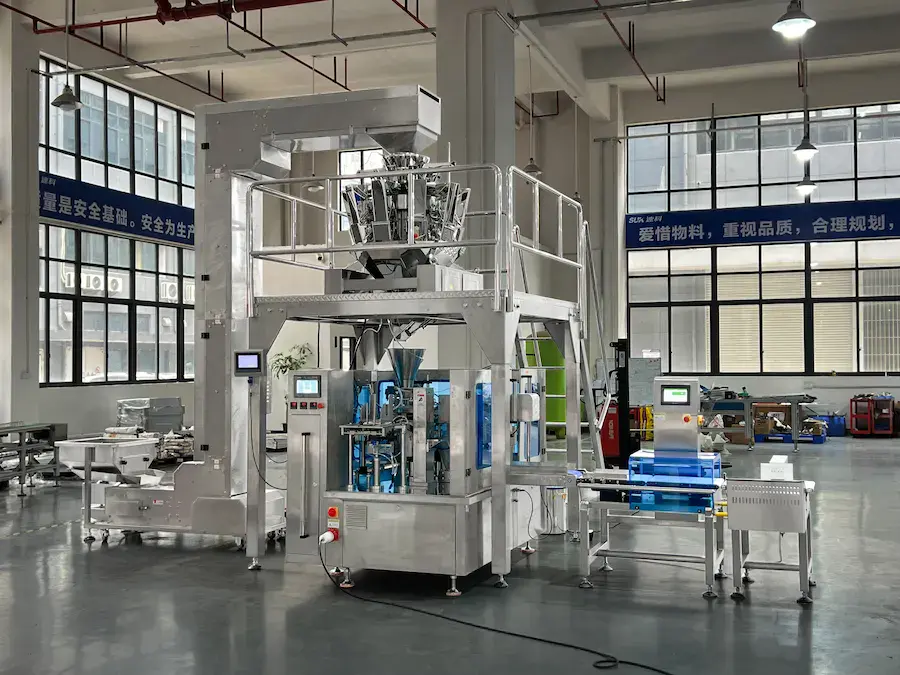
Pet food bagging lines typically involve several types of machines, often integrated into a continuous line. First, filling/weighing machines (such as multi-head weighers or volumetric fillers) dispense precise portions of kibble or treats. High-speed fillers can handle over 100 packages per minute for small formats. Next, depending on the package style, there may be either a bagging machine or a form-fill-seal (FFS) machine. Bagging machines (for pre-made bags) open, fill, and seal each bag; these can fill on the order of 20–30 large bags per minute. Alternatively, FFS machines create bags from rollstock film on the fly: vertical FFS units form stand-up or gusseted pouches, while horizontal FFS systems make pillow packs and tray seals. Finally, seal/barrier machines may apply zipper zippers or vacuum seal films (especially for wet or fresh pet foods), and case packers/palletizers bundle the finished bags into shipping cartons. Each step is tailored to the product type (dry kibble, treats, wet food, raw), the bag style, and the required output rate.
Bagging Machines (Pre-Made Bags)
 Bagging machines automate the filling of pre-made bags and are a workhorse of pet food production lines. A typical pet food bagger will open a flat sack, fill it with dry kibble, and then seal it in one continuous cycle. These heavy-duty machines often feature servo-driven bag placers and inflators for large woven or laminated bags. For example, Yundu notes that bagging machines designed for pet food can handle “tough, heavy kibble bags” weighing 10–50+ lb. According to packaging experts, such automatic baggers are an “essential part of the packaging process” in industries handling bulk products like pet food. Modern baggers can fill dozens of heavy bags per minute and typically include conveyors, weight checkers, and bag code printers in-line. Many dog food packaging companies offer variations of these baggers, from semi-automatic foot-pedal models to fully automated 5-axis systems for stable gusset bags or block-bottom sacks.
Form-Fill-Seal (FFS) Machines
Form-fill-seal machines offer flexibility in bag formats and are widely used for pet treats and smaller kibble packages. Vertical FFS (VFFS) machines draw film from a roll, form it into a stand-up pouch (often with a zipper seal), and fill it with product before sealing the top. These are very common for treats, jerky strips, and supplemental pet foods. Horizontal FFS (HFFS) machines, on the other hand, make pillow packs or tray-fill packs – ideal for items like rawhide rolls or frozen pet meals. A single VFFS system can often run multiple pouch styles by changing the forming tube and jaws. For example, WeighPack’s Swifty Bagger can automatically fill and seal stand-up zipper pouches in doy and quad styles. In general, FFS machines are valued for their ability to switch sizes and bag types quickly, which is useful for companies producing a variety of dog food packages.
Filling and Weighing Machines
 Before bags are filled, upstream weighing and filling systems dose the product. For dry foods and treats, multi-head weighers or net-weigh scales combine accurate measurement with high speed – some can dose up to 120 weighments per minute. Auger or volumetric fillers are used for powders or small pellets (e.g. powdered vitamins in pet food). Hygienic design (stainless steel, IP66 ratings) is important so that dry food particles or oils do not clog the machine. Fillers are usually integrated with the bagger or FFS below, either in-line or over the bag’s loading throat. This automated filling replaces labor-intensive scooping and ensures every pouch or bag has the exact portion, which is critical for consistent dog treat packaging and pet food serving sizes.
Vacuum and Modified Atmosphere Packing
Some pet foods – especially fresh/raw or moist foods – require air removal or special gas mixes in the package to extend shelf life. Vacuum packaging machines (chamber vacuum machines or continuous belt vacuums) evacuate air from pre-made bags or trays and then seal them. Hualian Machinery notes that wet or fresh pet foods often use vacuum packaging bags or aluminum foil bags because they “have strong isolation and stronger protection”. In practice, companies might use double-chamber vacuum machines or roll-stock vacuum sealers for trays. Modified Atmosphere Packaging (MAP) is another method (injecting CO₂/N₂ mix) to preserve kibble, although less common for open-pouch formats. For example, vacuum-sealed trays and shrink films are sometimes used for cooked pet foods, enabling a chill chain. Even for dry kibble, inert gas flushing can be done just before sealing on a form-fill-seal machine to protect fats in the food from oxidation.
Tray and Pouch Sealers
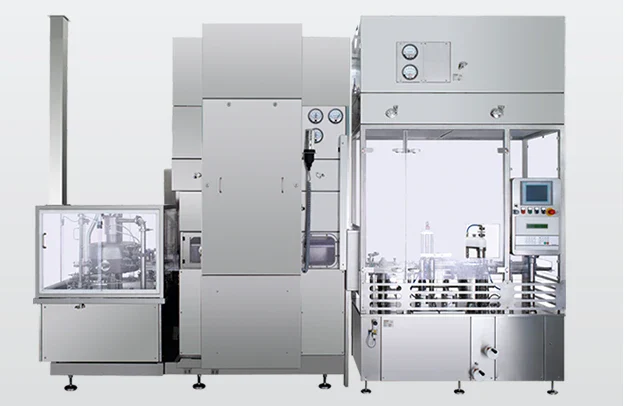
Beyond bag machines, tray/cup sealers are used for wet pet foods or single-serve meals. These machines fill plastic or aluminum trays (like TV dinner style) and then seal a lid film on top. Some high-speed lines can run over 100 trays per minute, crucial for canned wet foods or pâté-style cat foods (also relevant for dog pâtés). Tray sealers often include a heat-sealing station and can incorporate gas flushing. In summary, the core types of packaging equipment for pet foods include fillers, baggers, FFS machines, vacuum sealers, and tray/cup sealers, plus post-packaging case/carton packers. Each type of machine may be custom-engineered for pet food characteristics.
Packaging Materials and Bag Styles
Pet food uses a variety of flexible packaging materials depending on product form and shelf-life needs. Common bag styles include stand-up pouches (flat bottom gusseted bags), flat or pillow bags, and open-mouth woven sacks. Yundu and Hualian report that stand-up and zipper pouches are widely used for consumer pet foods, offering convenience and reclosure. For example, many “dog treat packaging bags” are colorful stand-up pouches with zip locks. By contrast, large-volume dog food packages often use rugged multi-layer film or WPP (woven polypropylene) sacks for 10–50 kg quantities.
 Packaging materials often consist of laminated films (plastics with metalized or foil layers). Hualian notes that vacuum and aluminum foil bags are ideal for wet pet foods because they provide superior moisture and oxygen barriers. Paper-plastic composites and plain polypropylene are used for economy bulk bags. In practice, a company might heat-seal small (1–15 kg) dog food pouches and use heavy-duty thermal sealers or stitching machines for large woven bags. In multi-layer bags, the inner layer is usually polyethylene or polypropylene (to weld), an aluminum layer for barrier (for moisture protection), and an outer printed polyester/PET or biax nylon for strength and graphics.
Pet food bagging also considers convenience features: zipper closures for reclosure, and tear notches for easy opening. According to packaging experts, stand-up zipper pouches have become extremely popular in the pet market because they can be resealed by the consumer, and they stand upright on shelves for better branding. For wholesale or bulk pet treats, companies might use plain plastic pouches or even flow-wrapped wraps instead of zipper pouches, especially if the treats are sold in bulk bins. Regardless of bag style, all films are FDA or EU food-safe grade and often printed in bright colors to attract pet owners.
Typical bag types for pet foods include:
- Stand-up pouches with flat bottoms (with or without zipper closures) – used for kibble, treats, supplements.
- Pillow/four-sided seal bags – common for single-serve wet food trays or small dry mixes.
- Vacuum and foil bags – for fresh/frozen raw diets and special formulations (prevent oxidation).
- Composite sacks and woven sacks – for large 10–50 kg bags of dry food; these are either heat-sealed or sewn at the top.
- Aluminum cans or trays (sealed by canning or sealing machines) – for premium wet foods (less common in typical bagging lines, but still part of pet food packing).
Choosing the right bag involves matching the food (dry vs. moist), weight (tens of grams to tens of kg), and usage (shelf life required). For example, raw dog food may come frozen in multi-layer plastic trays sealed with plastic film, while dry kibble comes in laminated bags. Many custom dog treat packaging companies will tailor the bag print and material thickness for the treat’s shelf-life and marketing needs.
Dog Treats and Stand-Up Pouches
 Many dog treats and small pet foods are packaged in flexible stand-up pouches with resealable zippers. WeighPack notes that their Swifty Bagger can “automatically weigh, fill and package pet treats into stand up zipper pouches”. These stand-up zipper bags (shown above) provide consumer convenience, since the package can be reclosed to keep snacks fresh. In practice, manufacturers use VFFS baggers or pre-made pouch fillers for treats – the choice depends on volume and budget. Stand-up pouches can carry 50 g to 5 kg of product; smaller treats often go in 100–500 g bags, while larger rawhide bones might be individually flow-wrapped or sold bulk in a big bag with a resealable closure.
For dog treat packaging wholesale, producers may run at lower speed but with frequent product changeovers. Smaller machine runs and manual labor are more acceptable for gourmet treats. However, for large-scale treat makers, high-speed pouch machines with quick-changeover (PLC control, recipe recall) allow switching between snacks, biscuits, and jerky. In all cases, the film and sealing mechanism must prevent staleness (oxygen-scavenging films or zip-lock features are common). The underlying machinery – weigh fillers, bag placers, and sealers – is essentially the same as for dry food, just scaled down for lighter duty.