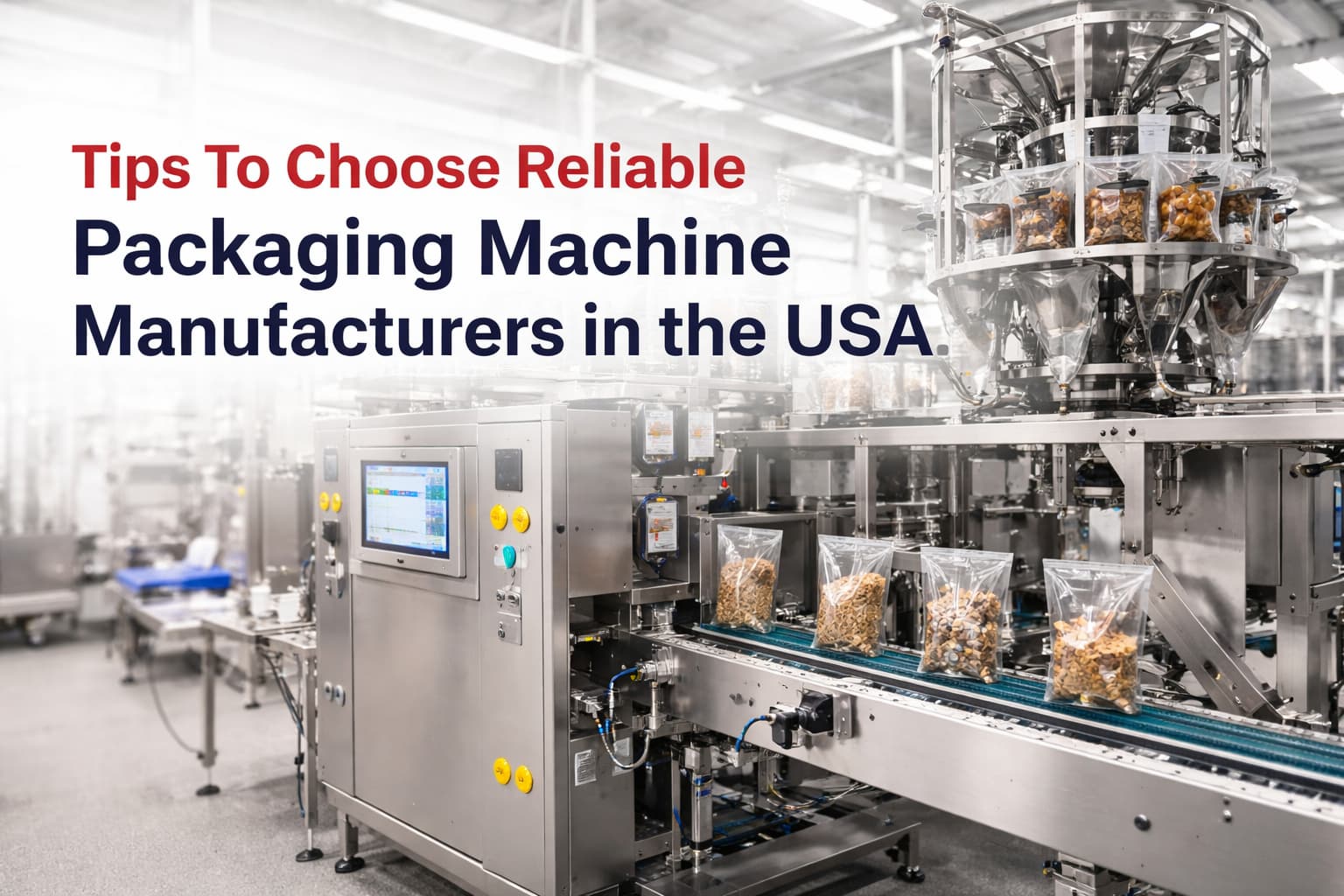
Cat treat packaging encompasses all the methods and materials used to enclose cat snacks—whether dry biscuits, soft chews, or liquid supplements—in consumer-ready formats. These packaging systems must preserve freshness, ensure portion consistency, and meet pet food safety standards (GMP, HACCP, FDA) while also delivering efficiency on the production line. Flexible packaging (like pouches and sachets) dominates the market because it is cost-effective and versatile. A modern automatic pet treat packaging system may include form-fill-seal machines, multi-lane pouch packers, conveyors, labeling stations, and robotic case packers, all integrated into a high-efficiency cat snack production line. This engineering ensures each treat is portioned, sealed, and handled hygienically. (For example, see the video below of a multi-lane, three-side seal pouch machine packaging liquid cat treats.)
Common Formats and Materials for Liquid Cat Treat Packaging
Liquid or semi-liquid cat treats (such as gravy enhancers, mousses, or vitamin supplements) require leak-proof, shelf-stable packaging. The most common formats include:
Flat Sachets/Pouches (3-Side Seal or Stick Packs)
Single-use pouches sealed on three edges with one side open. These are often made from laminated films like PET/AL/PE or PET/PA/PE, providing an effective barrier against oxygen and moisture. 3-side seal sachets are ideal for individual servings or trial samples of liquid treats.
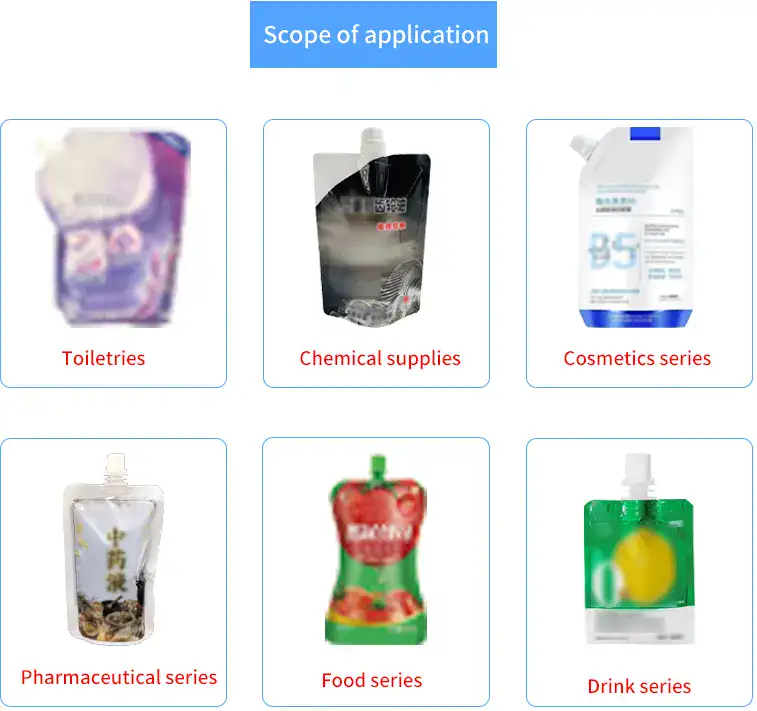
Spouted Stand-Up Pouches
Flexible pouches with a built-in plastic spout and cap. They stand upright and allow easy pouring or squeezing of liquid. Spouted pouches typically use multi-layer structures (e.g. PET/CPP/LDPE) that offer can-like shelf life with convenient dispensing and resealability.
Retort Pouches
For high-temperature processed foods (e.g. cooked “wet” treats), retort-compatible laminates (often with aluminum foil layers) are used. These pouches can be sterilized in-package to extend shelf life.
Rigid or Semi-Rigid Containers
Less common for treats but sometimes, squeezable tubes or bottles (e.g. airless pump bottles) are used for premium liquid supplements.
All packaging materials are food-grade and often multi-layer laminates. A typical film might include an outer PET or polyester layer (for strength and printability), a middle barrier layer (metalized PET or polyamide for gas/moisture barrier), and an inner PE or LDPE heat-seal layer. In recent years, recyclable mono-material films (e.g. all-PE structures) have gained popularity for sustainability while still meeting regulatory safety requirements.
How Multi-Lane Three-Side Seal Pouch Machines Work
A multi-lane pouch packing machine for cat treats is essentially a high-speed vertical form-fill-seal (VFFS) system designed to produce multiple pouch streams in parallel. The core process steps are:
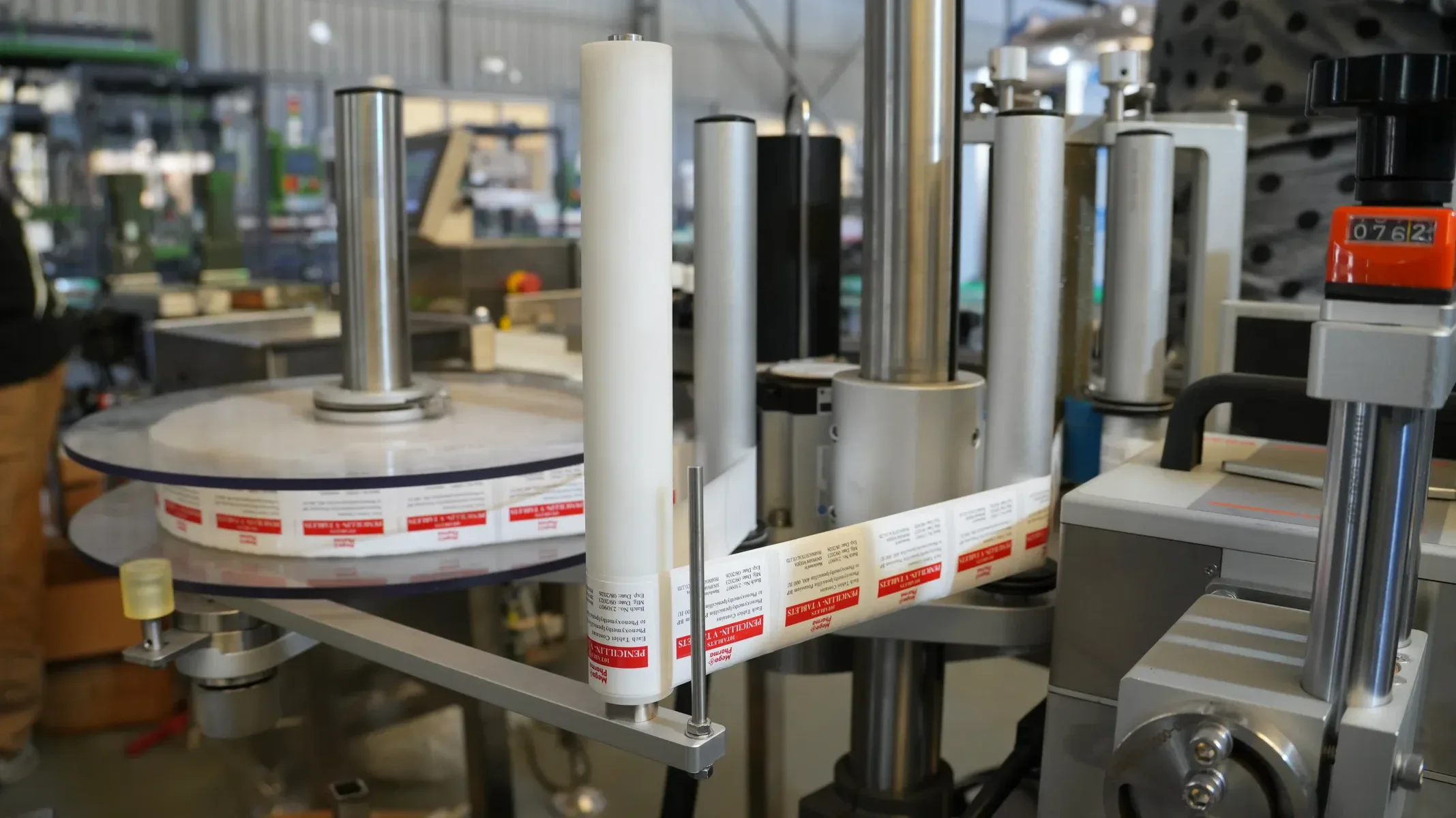
Film Unwind and Registration: Large rolls of printed laminate film (rollstock) are mounted on servo-driven unwinders. Tension controls feed film into the machine. An optical sensor reads printed registration marks to align each pouch graphics accurately before cutting.
Pouch Forming: The film is folded and formed into pouches. In a three-side seal machine, the bottom of the pouch is typically pre-folded by a forming collar or set of formers. For a multi-lane system, the forming station splits the film into parallel lanes. For example, a 4-lane machine folds film into four adjacent tube shapes, creating four columns of pouch-forming film.
Side Sealing: Vertical sealing jaws (heat-seal bars) simultaneously seal two opposite edges of each new pouch in all lanes. This forms the left and right seams. The folded bottom is already sealed or hemmed, so at this point each tube is sealed on three sides (two sides and bottom).
Filling: Precise dosages of the liquid cat treat are dispensed into each formed pouch. The machine uses multiple pumps or filling nozzles – one per lane (or more for very viscous products). Common fillers include piston pumps for thick pastes or peristaltic/rotary pumps for thinner liquids. Servo-driven fillers ensure accurate volume in each lane, enabling tight weight control (often within ±1–2% of target) across high-speed operation.
Top Sealing: After filling, horizontal seal bars seal the top of each pouch across all lanes. This completes the third side seal (top edge) of the pouch. Advanced machines can apply tear notches, holes for hanging displays, or other features during this step if needed.
Cutting: Once sealed, the continuous web of pouches moves forward and is cut into individual units. Cutting can be done with rotary knives or guillotines. Options include straight cuts, serrated edges, round corners or customized shapes depending on design requirements.
Discharge and Handling: Finished pouches are then dropped or conveyed out of the machine. Integrated conveyors may count, orient, or group pouches for packing into cases or cartons.
Because the machine operates on multiple lanes at once, throughput is multiplied. For example, if one lane produces 30 pouches per minute, a 4-lane machine can output 120 pouches per minute. Some industrial systems can run 8–10 lanes concurrently, delivering several hundred pouches per minute in total. All steps – film feeding, sealing, filling, cutting – happen continuously and synchronously under computer (PLC) control, maximizing efficiency and consistency.
Advantages of Three-Side Seal Packaging for Liquid Cat Treats
Three-side seal pouches offer several benefits that make them well suited to liquid pet snacks:
High Speed and Efficiency: The simple pouch geometry (one fold and three seals) allows very fast operation. Machines spend minimal time forming bags before filling, so line speeds can be extremely high. Multi-lane 3-side pouch machines easily outperform more complex pouch styles in output, making them ideal for high-volume treat production.
Cost-Effectiveness: These pouches use less film per package than formed stand-up or gusseted bags, reducing material costs. The machinery is also simpler (no need for expensive zipper or spout attachments), which keeps capital and maintenance costs down.
Package Strength and Integrity: Heat sealing on three sides produces a strong, leak-proof pouch. Proper sealing eliminates spills, which is essential for liquid products. The solid seals protect against oxygen and moisture ingress, preserving product freshness.
Flexible Design: The pouch size and features can be easily changed. Manufacturers can run small, single-serving sachets or larger multi-dose pouches on the same machine by adjusting cut lengths and fill settings. Optional features like tear-notches, hanging holes, or even post-formed spouts add convenience for pet owners.
Uniform Output: Three-side pouches pack flat and uniformly, making automated case packing straightforward. They offer more usable pack volume than four-side flat bags, since one edge is folded rather than sealed. This yields a bit more capacity for the same pouch footprint.
Low Storage and Shipping Costs: Because the machine makes pouches on demand from rollstock, empty bags take no warehousing space. Packed three-side pouches are also relatively flat, making palletizing and shipping more space-efficient than bulky rigid containers.
In short, using three-side seal packaging for liquid cat snacks is an economical, high-speed solution that maintains product quality. It combines the barrier protection of flexible films with the production agility needed for diverse pet product lines.
Quality Control and Safety in Pet Treat Packaging
Packaging cat treats demands rigorous quality assurance to ensure pet safety and product consistency. Key measures on packaging lines include:
- Hygienic Machine Design: All contact parts (hoppers, nozzles, filler valves, sealing jaws) are stainless steel (typically 304 or 316 grade) and designed for easy cleaning. Many systems are CIP (clean-in-place) capable or have quick-disconnect fittings so workers can sanitize wet or sticky product areas daily. Control panels and electrical components are IP-rated for washdown in food plants.
- Material Traceability: Each batch of treats and packaging material is coded with lot numbers. The packaging system’s PLC logs production data (fill volumes, line speeds, batch codes) so any problem can be traced back to raw materials or production time.
- Checkweighers: After sealing, every pouch can pass over a checkweigher. Bags outside tolerance trigger rejection. This catches underfilled treats or film misfeeds immediately.
- Vision Inspection: Cameras can inspect pouch fill level, confirm presence of required date/batch codes, and detect wrinkles or seal defects. Vision systems also read codes for automatic line-tracking.
- Seal Integrity Testing: Random sample pouches may be vacuum-tested or burst-tested to verify seal strength. This ensures no slow leaks occur over shelf life. Manufacturers often perform water immersion or vacuum decay tests in the lab on each run.
- Foreign Object Detection: Metal detectors are standard on pet food lines. They check for any metal shards or contaminants entering the pouches. When packaging with metalized films (which can interfere with metal detectors), an X-ray inspection system may be used instead to catch glass, stone, or metal contaminants.
- HACCP and GMP Compliance: The factory follows hazard analysis protocols. Critical control points (e.g. the filler and seals) are monitored for microbial risk. Workers must wear gloves, hairnets, and follow strict sanitation procedures. All ingredients and packaging films meet pet-food-grade regulations (often aligning with human food safety standards).
- Allergen and All-lot Segregation: If cat treats involve common allergens (fish, wheat, etc.), lines are cleaned between flavors to prevent cross-contact. Equipment may also be dedicated to specific product types.
- Environmental Controls: Packaging lines are often kept in a clean room or have filtered air to reduce dust/microbial load. Temperature and humidity controls help maintain product consistency.
- Industry Certifications: Leading pet treat manufacturers obtain certifications such as BRC or ISO 22000 for food safety. Packaging lines are designed to meet these standards, which cover preventive maintenance, personnel training, and documentation.
By combining automated inspection with hygienic equipment design and strict procedural controls, an automatic pet treat packaging system ensures each pouch of liquid treat is safe, correctly filled, and uncontaminated by foreign matter.
Innovations and Automation in High-Efficiency Cat Snack Production Lines
The latest cat treat packaging lines are highly automated and digitally connected to maximize throughput and flexibility. Innovations include:
Multi-Lane Integration: Packing machines with several parallel filling lanes turn a single film feed into multiple pouch streams, multiplying output without requiring more floor space. High-efficiency lines may run 6–10 lanes at once, producing thousands of pouches per hour. This multi-lane approach is now standard for high-volume snack plants.
Robot Case Packing and Palletizing: Finished pouches are often bagged or cartoned by vision-guided robots. Robotic pick-and-place systems can pack bags or pouches into boxes at high speed, then stack cartons on pallets. Automation reduces labor and speeds changeovers for different packaging formats.
Servo-Driven Machinery: Servo motors control fillers, sealers, and conveyors with high precision. Recipes (fill volumes, pouch dimensions) are stored in a PLC, enabling instant changeovers between treat SKUs. Servo systems also provide gentle handling (important for delicate kibble or crisp treats in mixed lines).
IoT Connectivity and Data Analytics: Modern lines have sensors on every axis (temperature, pressure, film tension, motor load). This data is fed in real time to a control network. Managers can monitor production metrics and receive alerts (e.g., when a machine needs maintenance or when fill accuracy drifts). Predictive maintenance algorithms forecast wear on seals or bearings, preventing unexpected downtime.
AI and Vision Inspection: Advanced vision systems use AI to detect anomalies. For example, cameras can spot partial-fill pouches, misaligned prints, or even inspect ingredient color consistency. These systems catch defects that would be hard for human eyes to see at 200 ppm.
Environmentally Friendly Materials: In response to sustainability trends, some lines switch to recyclable mono-material films. Machines may include nitrogen flushing modules to extend shelf life, allowing thinner films to be used without sacrificing barrier performance.
Integrated Process Lines: For ultimate efficiency, some factories link upstream processing (like cooking and mixing treats) directly to packaging. Continuous cooking systems can pump liquid formulations straight into filling machines, forming a high-efficiency cat snack production line with minimal handling steps. Conveyors and automated feeders move semi-processed treats seamlessly from cooker to poucher.
Augmented Reality (AR) Maintenance: Cutting-edge plants use AR glasses to help technicians troubleshoot. The AR system overlays diagrams onto the machine, guiding maintenance staff step-by-step, reducing service time.
Quick-Change Design: Tools-free knife changeovers, magnetic sensor alignment, and modular sealing blocks let manufacturers switch pack sizes in minutes rather than hours. This agility supports the many SKUs in the pet market.
In summary, automation and smart technologies are transforming cat treat packaging. By deploying multi-lane pouch machines, interconnected IoT sensors, and robotics, producers build high-efficiency cat snack production lines that run faster, with fewer errors and lower labor costs. These advances help pet food companies scale up production while keeping quality high and meeting evolving consumer demands.
Cat Treat Packaging FAQ
Transparency is the cornerstone of our Yundu team. That’s why below, you can find the most common questions and answers we receive surrounding our cat treat packaging.
Cat treat packaging refers to the materials and machinery used to package pet snacks (dry bites, soft chews, liquids) into consumer-ready units. It includes flexible bags, pouches, jars, or tubes designed to keep treats fresh and safe. Packaging must be durable and often resealable, with features like zippers or tear notches for convenience. In manufacturing, cat treat packaging systems (machines and lines) form, fill, seal, and label each package under hygienic conditions.
Liquid cat treats (e.g., gravies, purees, supplements) are commonly packed in sachets and pouches. Three-side seal sachets, stick packs, and spouted stand-up pouches are popular. These use multi-layer plastic laminates (often PET/PA/PE or PET/CPP/PE) for good barrier properties. Spouted pouches with caps allow resealing, and retort pouches are used if sterilization is needed. Some high-volume lines use form-fill-seal bags that stand up or flat pouches, all tailored to liquid consistency and shelf-life requirements.
A multi-lane pouch machine forms and fills several pouch lines at once. Roll stock film is pulled into multiple forming channels to make pouch tubes side-by-side. Vertical heat-seal bars seal the pouch sides, then precise pumps or nozzles dispense measured liquid into each pouch lane. After filling, horizontal sealers close the top, and cutters separate the individual pouches. Because it runs multiple lanes (e.g. 4 or 6) in parallel, the machine greatly multiplies output compared to a single-lane machine.
Three-side seal packaging means a pouch sealed on three edges with the fourth edge folded. For liquid cat treats, this design forms a bottom fold (or base seal) plus two side seals and a top seal after filling. The result is a simple flat pouch that is easy to manufacture at speed. It is leak-resistant and space-efficient. Many liquid cat snacks (like gravy mixes or gel treats) use three-side sealed sachets for single servings.
Three-side seal pouches are fast to produce and use less material per bag, lowering costs. They create very strong seals, reducing leaks – crucial for liquid treats. This pouch style is versatile: it can be run in multiple sizes and allows easy customization (tear notches, printing). It also packs uniformly for case packing. Overall, it delivers an economical, high-speed packaging solution that keeps treats fresh and appealing.
An automatic pet treat packaging system is a fully integrated production line where machines automatically form, fill, seal, and often case-pack pet treat packages. For example, such a system might include bulk hoppers feeding a multi-head weigher, which dispenses treats into pouches that are formed, filled (with any liquid or powder supplement), and sealed by a VFFS machine. Downstream robots might then pick and place the finished bags into boxes. Automation minimizes manual handling and increases consistency and throughput.
Key quality controls include metal detectors or X-ray inspection (to catch contaminants), checkweighers (to verify fill weight), and vision systems (to inspect fill level and read labels). Machines are built for sanitation: stainless steel parts, CIP washdown, and enclosures to prevent dust. The facility follows HACCP/GMP guidelines, with full batch traceability of ingredients and packaging. Random samples are burst-tested for seal integrity, and operators monitor the process to ensure each pouch is correctly sealed and labeled.
Packaging machinery uses food-grade materials (usually stainless steel) and is designed to be washed down easily. Parts in contact with treats are often removable or hinge-open for cleaning. Lines may run recirculating water for rinsing, and CIP (clean-in-place) cycles clean pumps and hoses. Control cabinets are sealed (IP65) against washdown. Staff follow strict sanitation protocols (gloves, hairnets), and product contact surfaces are regularly sanitized with approved cleaners to prevent microbial growth.
Modern lines use multi-lane filler/sealers, servo motors, and robotics for speed and flexibility. Industry 4.0 features connect machines to data networks for real-time monitoring and predictive maintenance. AI vision systems can spot defects or misprints instantly. Flexible lines allow quick changeover between SKUs. Sustainable packaging materials (recyclable films) are also being adopted. Some advanced setups integrate continuous production (mixers, cookers) directly to the pouch machine, making a highly efficient production line from raw ingredients to finished pouch.
A high-efficiency cat snack line maximizes output with minimal downtime. It uses automation (multi-lane packers, conveyors, robots) to run continuously at high speed (often hundreds or thousands of pouches per minute). It has fast changeovers (through digital recipes and quick-adjust tooling) to minimize idle time between product batches. Smart sensors and IoT systems constantly optimize performance (adjusting fill weights, detecting jams). Efficiency also comes from reducing waste (accurate filling, recyclable materials) and integrating processes (e.g. linking mixers straight to fillers). Such a line delivers more product per labor and energy hour while maintaining strict quality standards.